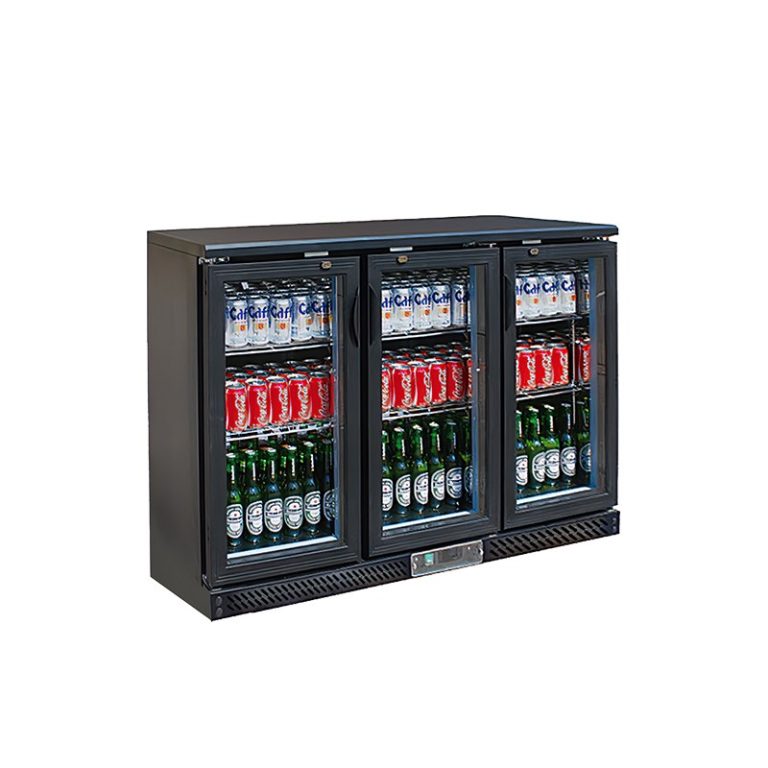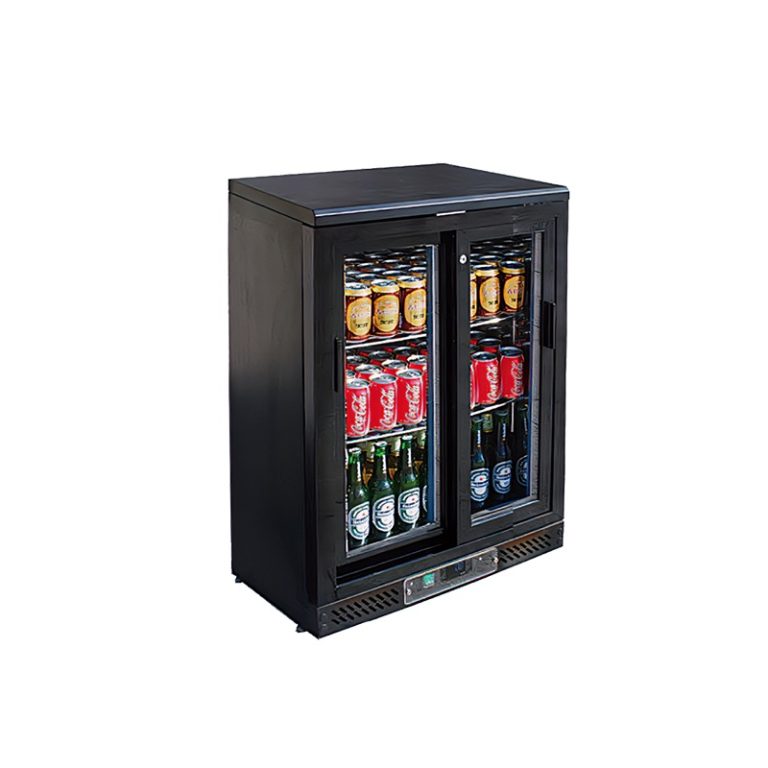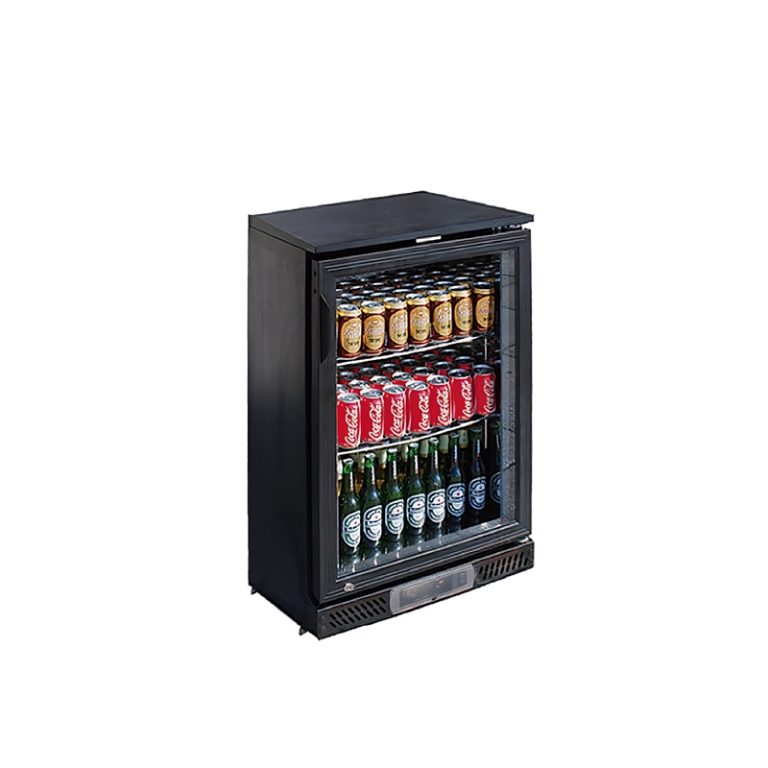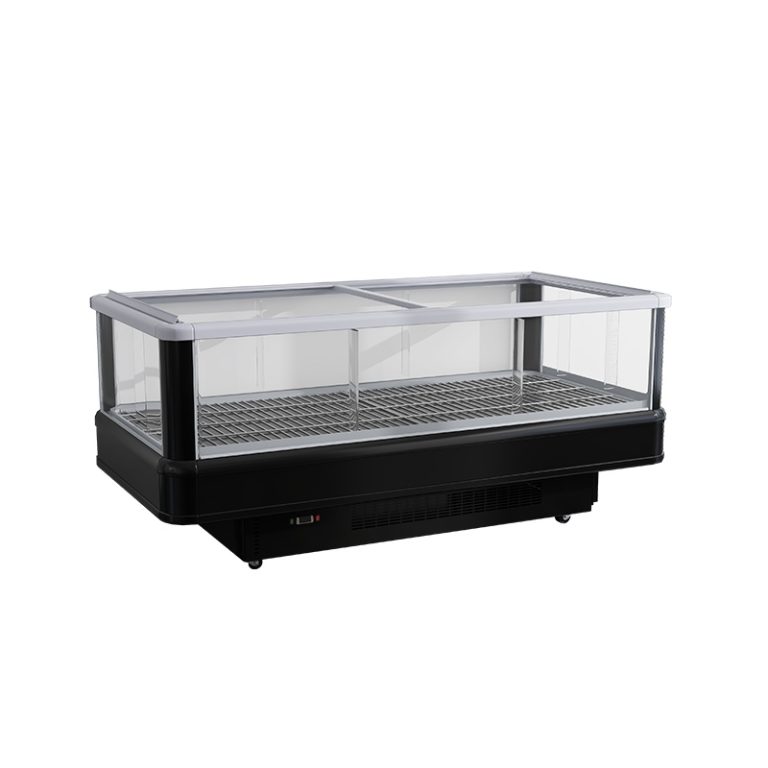

Buying a cold cabinet is easy. Delivering a complete refrigeration package to a live store is not.
Overseas grocers are increasingly comparing factory-direct supply with the traditional local dealer route. The reason is practical. Distributor markups are often quoted at 40%–60% on imported equipment, while local dealer lead times can stretch when a project requires non-standard widths, multiple cabinet types, or a coordinated container shipment. The percentage varies by market and scope, but the underlying issue is familiar: the buyer pays for several layers of handling and still has to solve the store layout.
A factory-direct model can reduce those layers, but only when engineering, packing, customs, and site delivery are treated as one job. A low ex-works price is not a turnkey result.
The Breakdown of Traditional Distribution
The conventional path may involve a local importer, a regional distributor, a refrigeration contractor, a separate fixture supplier, and a freight forwarder. Each party adds a margin or a handoff. Product information can be lost between them. A supermarket refrigerator ordered as a standard cabinet may arrive with the wrong voltage, plug, door swing, or service clearance.
A turnkey factory-direct package starts with the store requirement. The buyer defines the product categories, room conditions, electrical supply, access route, installation date, and required delivery term. The factory then coordinates the cabinets, accessories, documentation, packing, and shipping plan.
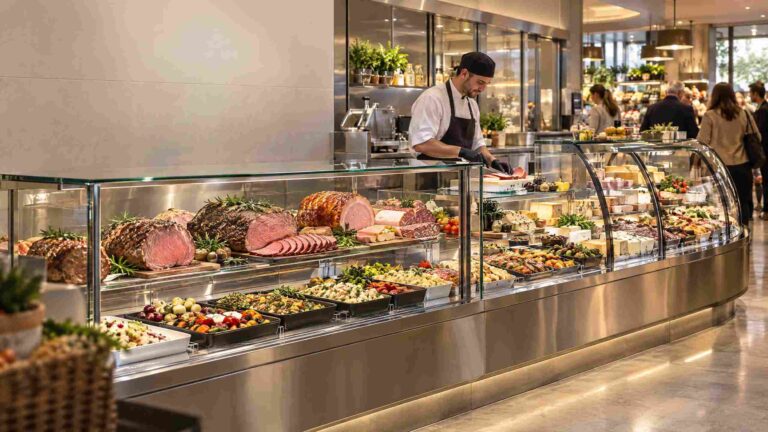
This approach is most useful for independent grocers, overseas developers, and commercial kitchen contractors managing several equipment lines at once. A supermarket freezer, a beverage wall, a deli line, and a prepared-food counter can be scheduled together instead of being released through unrelated purchase orders.
createrefrigeration offers turnkey store-planning resources through www.createrefrigeration.com. Buyers should request a written scope that states what is included: engineering, factory testing, export packing, customs clearance, duty, inland delivery, unloading responsibility, and site positioning.
Pre-Engineering: From 2D Blueprint to 3D Thermal Layout
A raw 2D floor plan shows walls, doors, columns, and dimensions. It does not show how a tall cabinet blocks a sprinkler, where condenser air will discharge, or whether a pallet jack can turn at the receiving door. Before steel is cut, the plan should become a 3D layout with equipment envelopes and service zones.
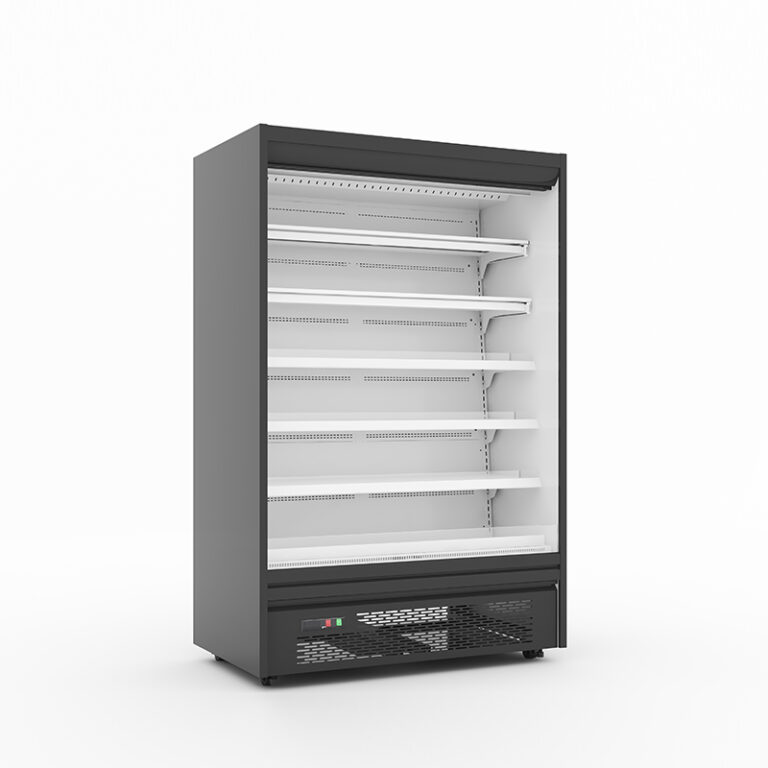
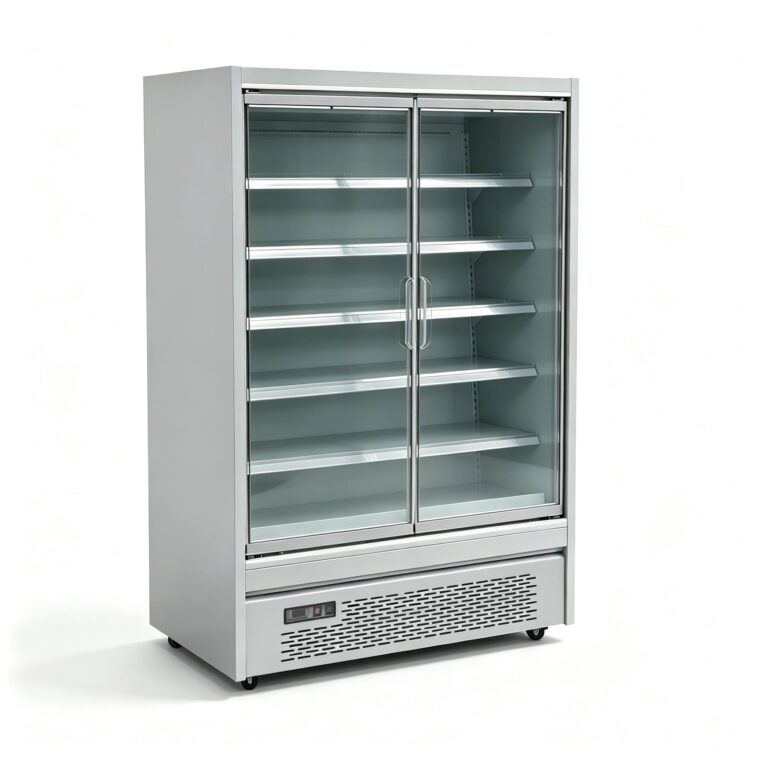
createrefrigeration can convert the 2D drawing into a 3D equipment arrangement that checks exact clearances between a perimeter supermarket display refrigerator, an upright supermarket showcase refrigerator, and a central supermarket island freezer. The model should show customer aisles, staff routes, door swings, rear service access, condenser ventilation, and the path from truck to final position.
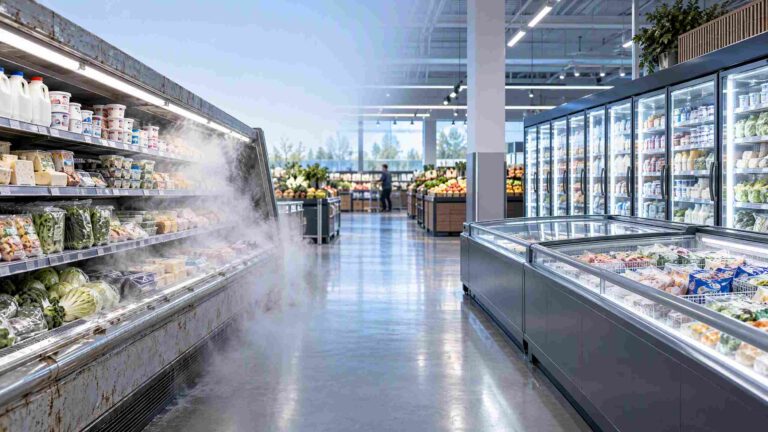
The model is also a thermal load check. A supermarket display chiller beside an entrance sees different room air from one installed on an interior wall. A supermarket open freezer under an HVAC register may fight a cross-draft all day. A tall supermarket showcase refrigerator can trap condenser discharge against a soffit. These are installation conditions, not catalogue specifications.
Before container stuffing, verify line power and drainage for every cabinet. Confirm the voltage, frequency, phase, plug type, breaker capacity, and cable route. Check whether condensate is self-evaporating or requires a drain connection. A supermarket fridge with the wrong electrical configuration is not a small field adjustment; it can stop commissioning.
The same review should identify the unloading method. Measure the dock, threshold, lift-gate access, door height, aisle width, turning radius, and finished-floor condition. Pallet-jack clearance is part of the refrigeration plan.
The Reality of Ocean DDP
Delivered Duty Paid, or DDP, means the seller takes responsibility for import clearance, duties, and delivery to the named destination under the agreed Incoterms scope. It does not mean the seller can ignore local access or that a crane will appear automatically. The final contract must state who unloads, who moves the equipment inside, who handles installation, and where risk transfers.
A workable DDP workflow has several visible steps:
- Confirm the equipment schedule, destination address, importer information, tariff classification, and local compliance documents.
- Release production only after the 3D layout, electrical schedule, and cabinet dimensions are approved.
- Factory-test the equipment and photograph serial numbers, controls, glass condition, and packing before loading.
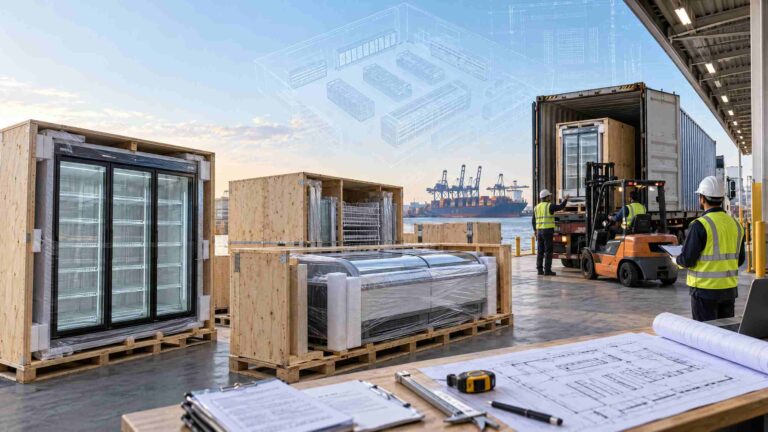
- Use seaworthy plywood crating with corner protection, internal blocking, moisture control, and restraint against container movement.
- Prepare customs documents, commercial invoices, packing lists, certificates, and any required electrical or refrigerant declarations.
- Track the vessel, customs release, port pickup, and final tailgate delivery to the store curb.
- Inspect the crate before signing. Record damage immediately with photographs and delivery notes.
The ocean is not gentle on glass. A broken door panel or shifted mullion can turn an apparently successful shipment into a site delay. Crates need protection around a delicate supermarket fridge or a large supermarket refrigerator, especially where rough seas, repeated handling, and port transfers are expected.
Port demurrage is another avoidable cost. If customs documents are incomplete or the consignee cannot provide the required bond or tax information, the container may sit after free time expires. The daily charge can erase a large part of the dealer margin the buyer hoped to avoid.
Tailgate delivery reaches the store curb. It does not automatically place a display cabinet in the aisle. Confirm whether a pallet jack, dock plate, lift gate, forklift, or on-site rigging crew is available. Finished floors, narrow doors, and newly installed walls create real limits.
Container Pack-Out for Heavy and Delicate Cabinets
Container packing is a layout exercise in three dimensions. Heavy equipment should sit low and be distributed to avoid an unsafe axle or floor load. Glass panels, shelves, lights, and loose accessories need separate protection and clear labels. Service panels should not be blocked by an unrelated crate.
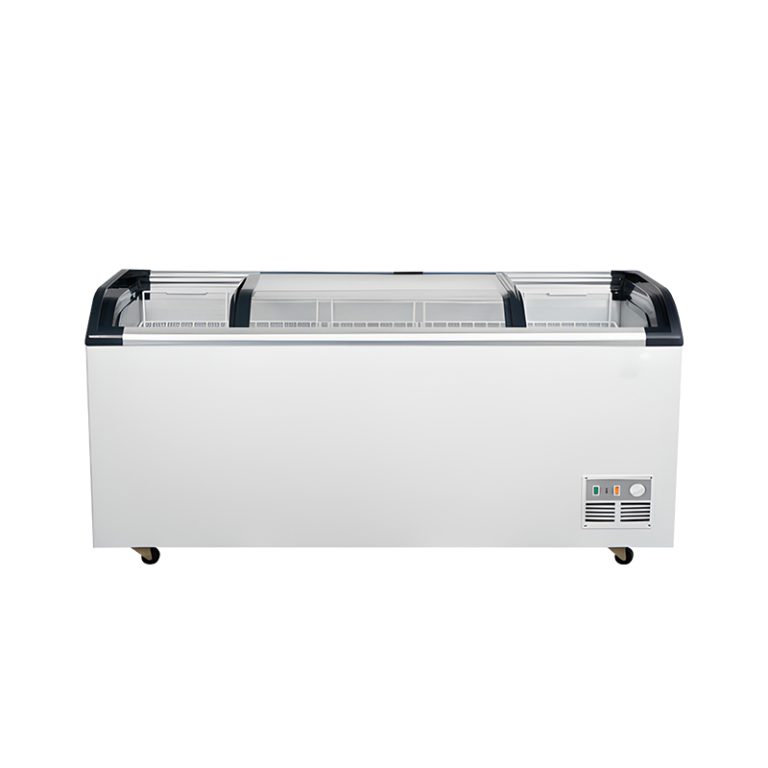
A display freezer for supermarket ice cream aisles may be wide, heavy, and sensitive to corner impacts. A sub-zero supermarket freezer row may require additional spacing or bracing to prevent movement during vessel roll. The final pack-out drawing should show cabinet orientation, crate numbers, gross weight, center of gravity where relevant, and the order of unloading.
Do not fill every gap with loose cartons. A tight container is not necessarily a safe container. Equipment needs restraint, shock protection, moisture control, and a sensible unloading sequence. The cheapest cubic-meter calculation can create the most expensive site problem.
The pack-out should also protect the customer-facing surfaces. Door glass, painted panels, stainless worktops, handles, control screens, and lighting lenses need inspection access before the crate is discarded. Damage hidden until installation is harder to assign and harder to claim.
The Overseas Purchasing Checklist
Before placing a deposit, verify the compressor brand and the exact model proposed. Secop, Embraco, and Danfoss are common reference points, but the brand name alone is not enough. Ask for the compressor model, refrigerant compatibility, rated voltage, frequency, capacity, and replacement availability in the destination market.
Confirm local electrical certifications. A cabinet built for 220V/50Hz is not automatically suitable for a 220V/60Hz site. Check plug format, protection requirements, EMC documentation, grounding, and any national approval marks. Obtain the electrical schedule before the container is sealed.
Ask how spare parts will be supported. Gaskets, controllers, fan motors, relays, glass panels, hinges, shelves, and refrigeration components are more useful when their part numbers and lead times are documented. createrefrigeration should provide a spare-parts list matched to the shipped serial numbers, along with service contacts and commissioning guidance.
The equipment list should identify every line item by function: supermarket refrigerator, supermarket freezer, commercial supermarket refrigerators, supermarket display refrigerator, supermarket display chiller, supermarket island freezer, and the accessories required for each location. This prevents a missing shelf kit or incorrect controller from appearing only after the installation crew arrives.
Traditional Distribution Versus Direct Turnkey Delivery
| Supply route | Commercial advantage | Main risk to control |
| Traditional local distribution | Local showroom access, familiar billing, and potentially local service coverage | Dealer margin, fragmented responsibilities, longer lead times for custom cabinets, and duplicated layout work |
| Factory-direct, port delivery | Lower layer count, direct technical communication, and more control over custom dimensions | Buyer still manages import, inland transport, compliance, and site coordination |
| Factory-direct DDP turnkey | One coordinated scope for 3D planning, production, customs, duty, and door-to-door delivery | Contract must define unloading, installation, damage claims, local certification, and the exact DDP destination |
Closing: Send the Drawing Before the Deposit
Factory-direct purchasing works when the buyer treats engineering as part of the order. Start with the 2D blueprint. Build the 3D thermal and clearance model. Confirm line power, drainage, service access, container pack-out, customs documents, and the final curb-delivery plan before production begins.
Send the store drawings, equipment schedule, destination address, electrical supply, access measurements, and preferred delivery term to createrefrigeration through www.createrefrigeration.com. The right turnkey package is not just a container of cabinets. It is a documented path from factory floor to the exact position where each cabinet must operate.