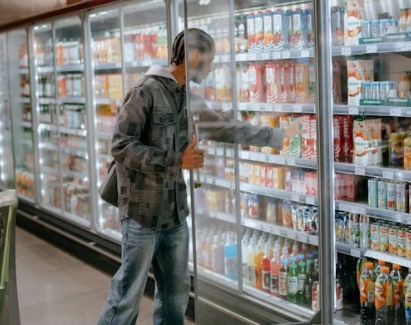
Commercial coolers serve as specialized refrigeration setups built to keep steady temperatures for goods that spoil easily in fields like retail, hospitality, and food processing. They mainly aim to protect item freshness, lengthen storage time, and meet rules for safe food handling. Good cooling setups prove vital for companies that depend on storage sensitive to heat, since they shape running expenses, power use, and product reliability.
The value of strong cooling goes further than just keeping things fresh, and it also touches on handling power and goals for green practices. Today’s commercial coolers blend smart compressors, green coolants such as R290, and better insulation to cut harm to the planet while holding steady work output.
Air-Cooled Commercial Coolers
Air-cooled commercial coolers work by moving heat from the coolant into the nearby air via a condenser coil. Fans help by pushing regular air over the condenser fins, which lets heat escape without water. The main parts cover the compressor, condenser coil, expansion valve, evaporator, and fan setup, and this setup makes it easy because it skips outside pipes or water lines.
Why Are Air-Cooled Systems Popular Among Businesses?
Air-cooled systems bring many perks that draw in small to medium businesses. They cost less to set up at first than water-cooled options, as they avoid cooling towers or extra pipes. Upkeep stays straightforward with fewer parts that move and no need for water care systems. Plus, they fit well in places where water runs short supply or expensive.
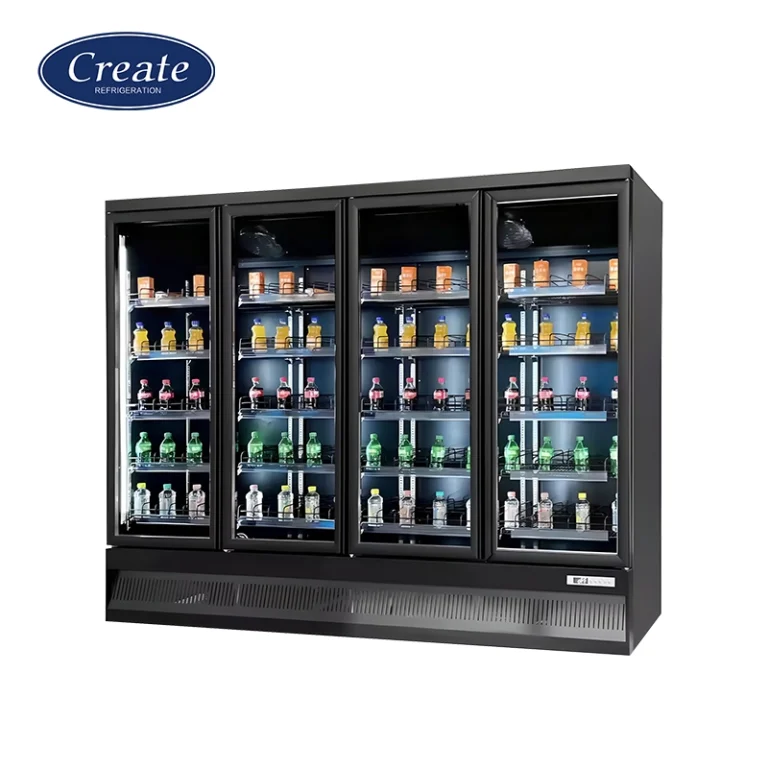
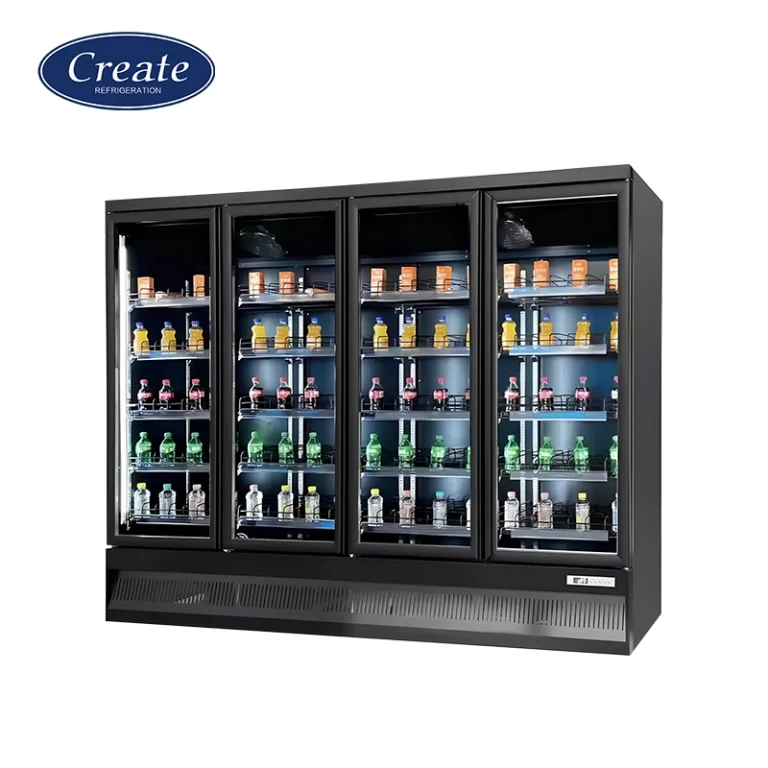
They also offer great adaptability, and these units can go inside or outside based on airflow needs. For instance, display fridges in stores like Glass Door Freezer & Cooler rely on air-cooled methods to spread even chill while showing drinks or frozen items clearly.
What Are the Limitations of Air-Cooled Systems?
Even with their ease, air-cooled systems face some downsides, and their output drops in hot surroundings because the close air handles heat less well. Also, the fans in them make more sound than the water ones, which can be bothersome in calm store spots or guest areas.
Water-Cooled Commercial Coolers
Water-cooled commercial coolers run by shifting heat from the coolant into flowing water instead of air. Then, the warm water cools in an outside tower before it loops back through the setup. Key parts include compressors, condensers with water covers, pumps for moving the water, and towers to release the heat.
What Benefits Do Water-Cooled Systems Provide?
Water-cooled systems stand out in power savings since water moves heat better than air. They hold top work even in warm spells and run quieter with less fan action, which suits fancy business spots that want strong output and low noise. Their steady, long-run work also cuts strain on compressors and other main parts, which matters when planning full-life costs for big setups like cold rooms or display freezers in stores.
What Are the Challenges Associated With Water-Cooled Systems?
The big issues with water-cooled systems involve higher setup prices from extra gear like pumps and towers, and they need steady water flow and routine checks to stop buildup or rust in pipes and condensers. If not handled right, these can raise daily costs.
Comparative Analysis: Air-Cooled vs Water-Cooled Coolers
Output differs a lot between these kinds in various settings. Air-cooled ones do well in mild weather but weaken in very hot weather. On the other hand, water-cooled setups stay even in outside heat, but they require enough water. When looking at power use per cooling amount (COP), water types usually beat air ones if kept up with regular care.
How Do Costs Compare Over Time?
On money matters, air-cooled units need less start-up money but might face bigger power bills later from lower heat handling in warm spots. Water-cooled ones take more upfront cash. Yet, their better output can balance that with lower power needs over the years, especially for big store cooling nets.
Which System Is More Environmentally Friendly?
Harm to nature hinges on power draw and the use of resources. Air-cooled ones skip water but pull more electricity in high heat times. Water-cooled uses less power but needs lots of treated water. Firms chasing green badges often pick mixed ways that weigh both through smart controls.
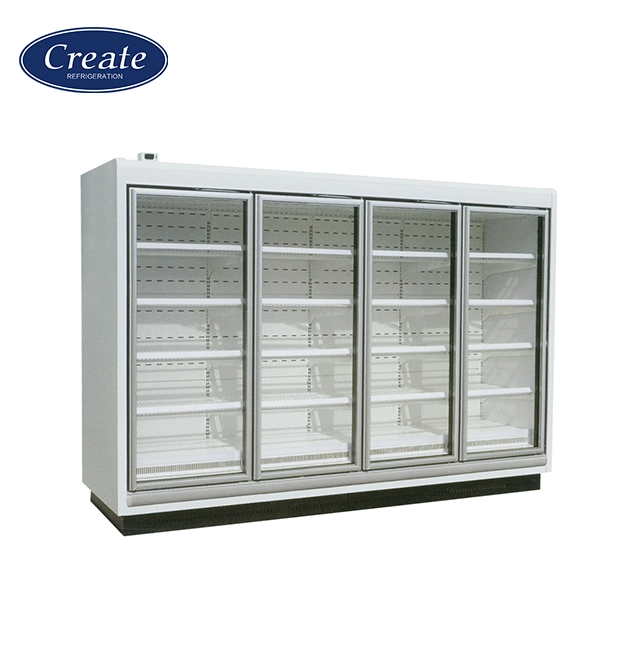
Create Refrigeration: A Trusted Supplier in the Industry
SHANDONG CREATE REFRIGERATION CO., LTD. is located in Xingfu Industrial Park, Binzhou City, Shandong Province, China. The product is compliant with every country market, first-level energy saving, and level 1 energy consumption. Stable product performance, safer food. They provide CO₂ solutions, from design to production. Apply the concept of green environmental protection to design, materials, energy efficiency, and engineering.
For more than twenty years, Create Refrigeration has built a strong name as a top manufacturer in China for business cooling solutions in stores and sales spots around the world. The firm’s goal stresses skill, tech progress, and worldwide help while sticking to green practices.
Its wide line covers store display cases, steel kitchen tools, cold storage units, and ready-to-use cooling systems fit for many business wants in over 70 countries, from North America, Europe, Southeast Asia, Australia, and the Middle East. With modern manufacturing space of 50,000 square meters and yearly output over 23,000 units per year (Shandong Create Refrigeration Co., Ltd focuses on providing one-stop refrigeration equipment procurement services), Create Refrigeration keeps giving solid cold chain fixes backed by CE / ETL / ISO / ROHS marks that meet world rules every time. Feel free to contact Create Refrigeration!
Product Offerings
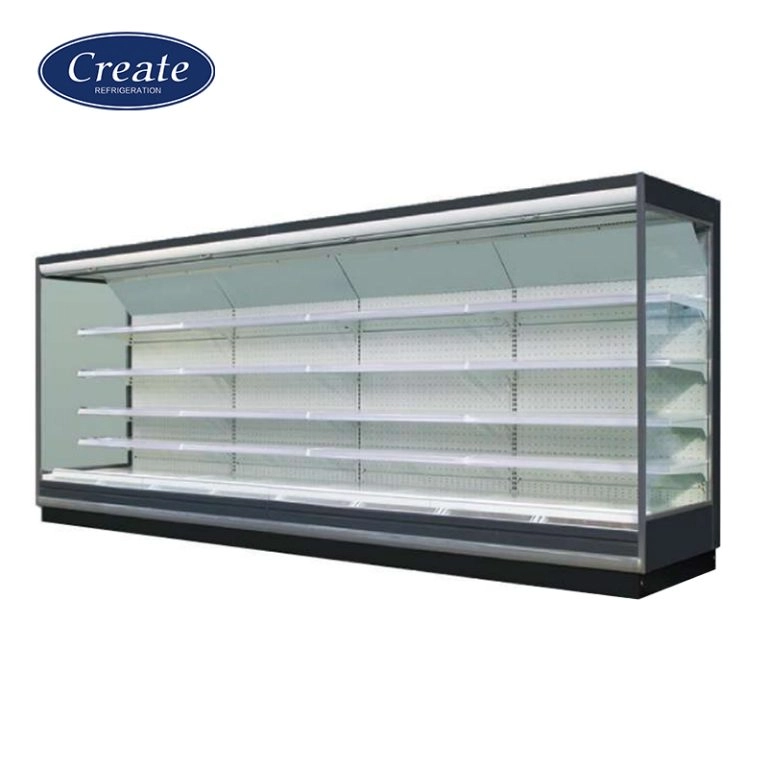
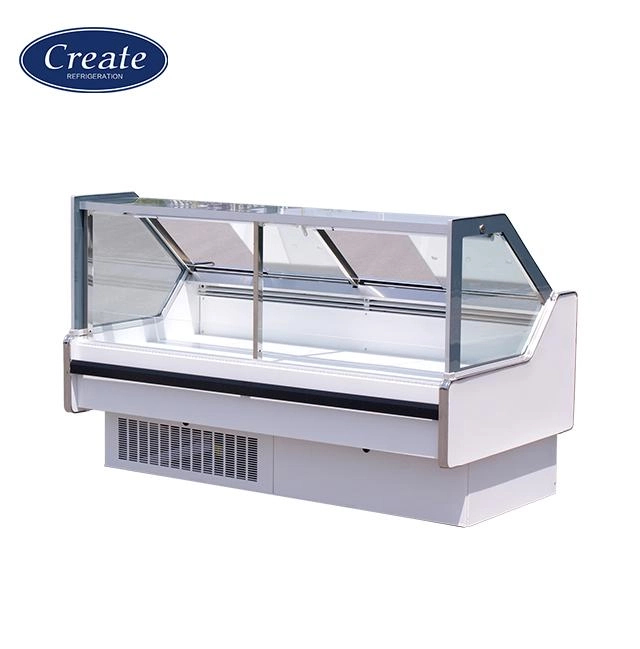
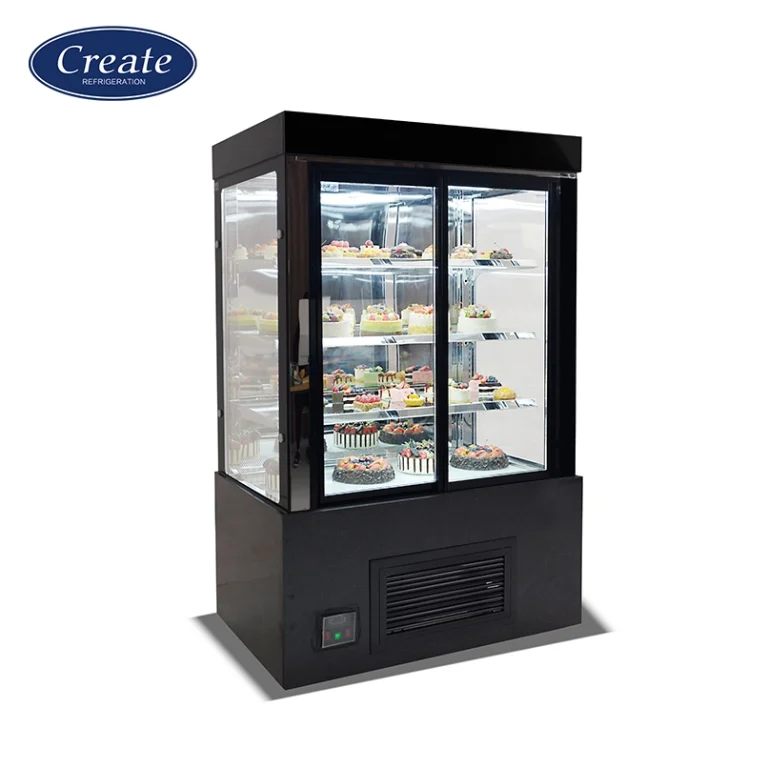
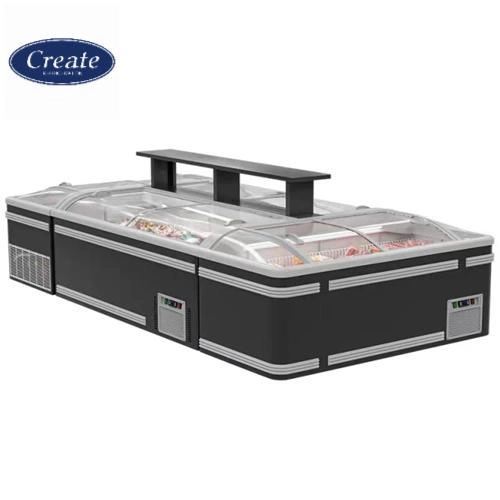
The firm offers a full set of business cooling goods fit for different uses. Supermarket Combined Island Freezer — built with clear, strong glass tops using low-E tech for a great barrier; great for frozen foods like seafood items or ice cream. Multideck Open Chillers — easy-plug tall display fridges with even air flow, ideal for fruits or milk goods. Deli Meat Showcases — with steel outlets that avoid rust, fit for meat show areas. Glass Door Freezers & Coolers — come as easy-plug or far-off types that give clear views while keeping the inside chill.
Every type uses green coolants like R404A/R290 along with top compressors from world-renowned names such as Secop, paired with EBM fans, which gives the best work with less harm to the air (By adopting the top-tier brand inverter compressor recognized by the industry, they ensure that the product is more energy-efficient).
Conclusion on Choosing the Right Cooling System
Picking between air-cooled and water-cooled business coolers mainly rests on local weather, ready supplies like water or power, room limits in buildings, money plans for start vs daily costs, allowed noise in the spot (store vs work site), and green aims from company rules. Firms in dry areas gain from air-cooled types with little need for outside help. Those in wet hot zones may like water-cooled for better heat hold under full runs.
What Recommendations Suit Different Business Needs?
For small shops wanting small, easy setups with low care, air-cooled, as glass door chillers work best. Big stores with lots of frozen stock should look at main water-cooled systems linked to walk-in freezers or island cases. These promise steady below-zero chill all year and cut long-term costs with better COP numbers.
FAQ
Q1: What are the main differences between air-cooled and water-cooled commercial coolers?
A1: Air-cooled coolers depend on nearby air flow over condenser coils, while water-cooled coolers use flowing liquid through condensers tied to towers. This gap shapes setup trouble and sound levels when running.
Q2: Which type of cooler is more cost-effective in the long run?
A2: Air-cooled units start with less money spent upfront. However, water-cooled often gives better full-life savings through stronger heat removal, helpful for big store runs needing steady chill.
Q3: How do environmental conditions affect selection between the two types?
A3: Weather sets a key choice. Air types drop output in high heat around them, while water ones keep steady but need ongoing clean water to avoid rust in loops.