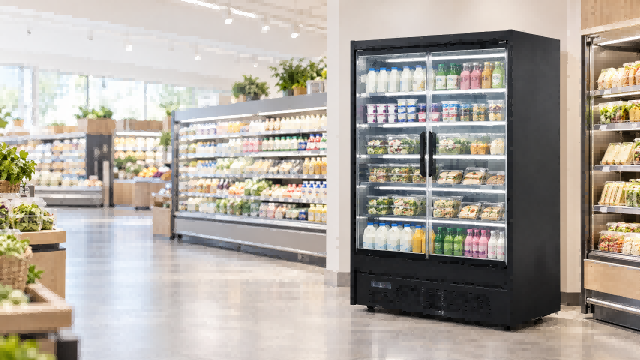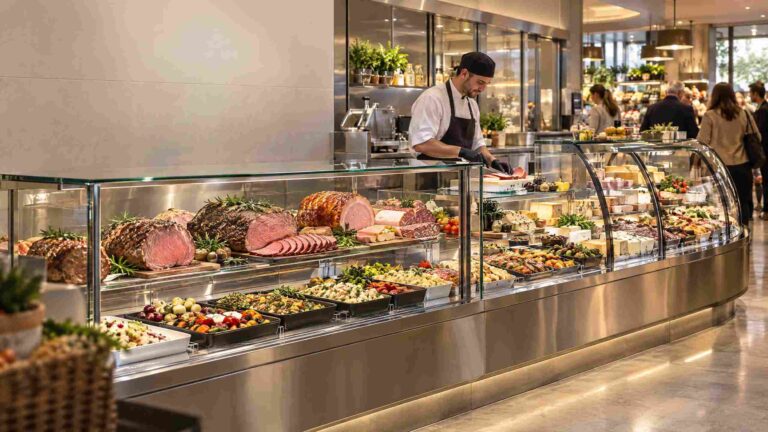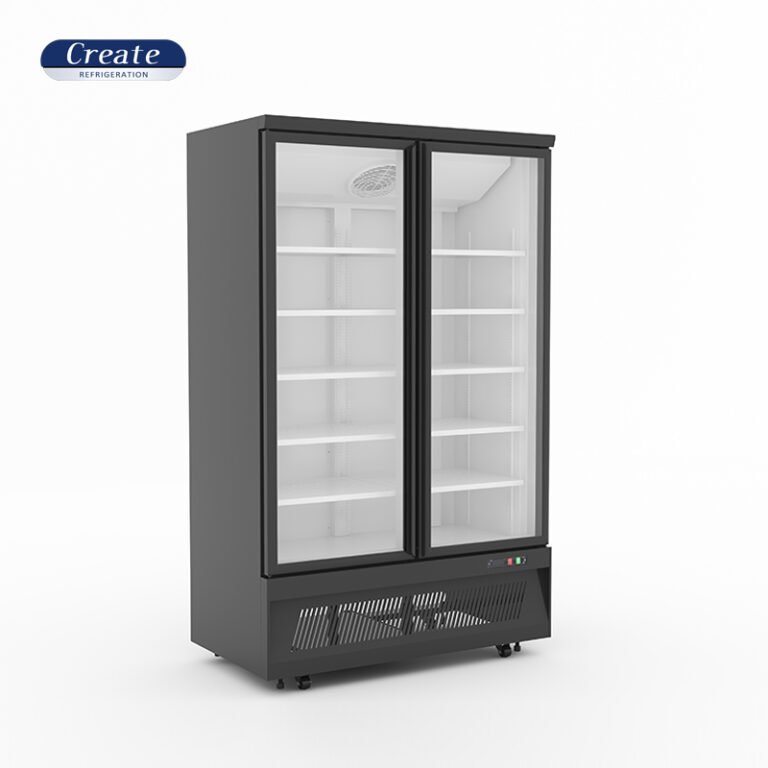
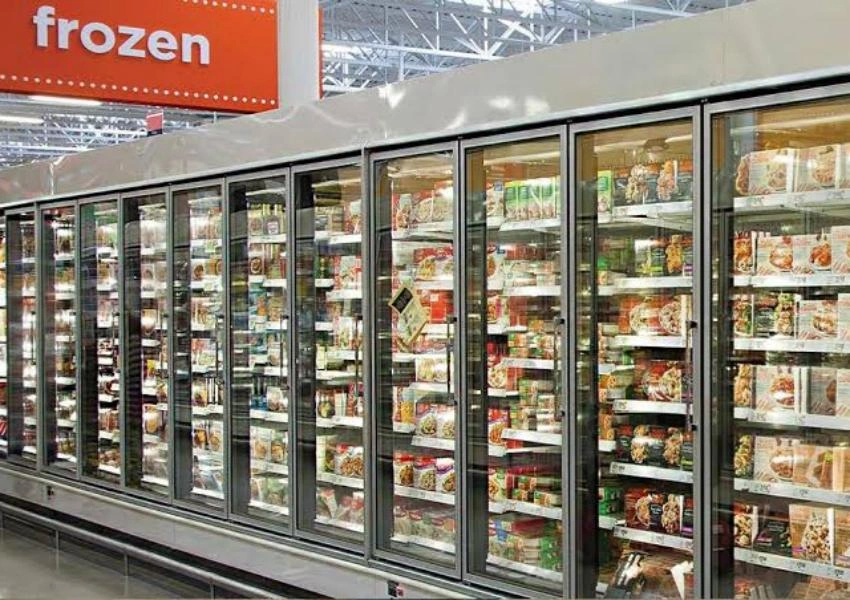
CO₂ systems are usually better for large supermarkets, centralized refrigeration networks, and stores that need multiple temperature zones or heat recovery. R290 systems are often better for plug-in display cases, glass door freezers, beverage coolers, and modular retail layouts. The best choice depends on store size, safety requirements, service capacity, local climate, and refrigerant regulations.
Importance of Choosing the Right System for Retail Operations
For supermarkets and hypermarkets, picking between CO₂ refrigeration vs R290 systems is a major purchasing decision. This decision affects daily running efficiency, safety, and lasting sustainability. Big retail shops need refrigeration systems that keep temperatures steady. These systems must also use little energy and meet global standards. The correct system helps companies reach their green goals. Moreover, it cuts down total lifetime costs by needing less repair work and offering better dependability.
What Defines the Technical Edge Between CO₂ Systems and R290 Systems?
Before you pick an eco-friendly refrigeration system, you must check its technical details inside big retail spaces.
Key Characteristics of CO₂ Refrigeration Systems
CO₂ (R744) works under very high pressure. However, it gives strong heat transfer performance. This makes it a great fit for central supermarket setups. These systems perform well in very cold spots like frozen food areas or cold rooms. In these places, steady performance is highly needed. Also, they can save waste heat to warm the store. This feature deeply improves their overall energy use.
Key Characteristics of R290 (Propane) Refrigeration Systems
R290 systems use propane. Propane is a hydrocarbon refrigerant known for strong cooling performance. It has an ultra-low GWP under 3. These systems work best in separate or plug-in units. Examples include display freezers or drink chillers. But propane is flammable. Because of this, workers must strictly follow safety rules like IEC 60335-2-89 during setup and repair. Even with this rule, R290 is very flexible. This makes it helpful for separate setups in small or medium retail shops.
| Factor | CO₂ Refrigeration | R290 Systems |
|---|---|---|
| Refrigerant type | Natural refrigerant, R744 | Natural hydrocarbon refrigerant |
| GWP | 1 | Around 3 |
| Main use | Central systems, larger stores, cold rooms | Plug-in units, display cases, modular retail |
| Safety concern | High operating pressure | Flammability and charge limits |
| Installation | More complex system design | Easier for self-contained units |
| Best fit | Large supermarkets and hypermarkets | Small stores, modular cases, beverage/freezer displays |
Comparative Analysis: Efficiency, Safety, and Cost Factors
Energy efficiency is very important when looking at CO₂ refrigeration vs R290 systems. CO₂ systems can perform efficiently in suitable low-temperature applications, especially in larger supermarket refrigeration networks. In these spots, the outside air helps the system work better through transcritical cycles. On the other hand, R290 keeps a steady performance in many different conditions. It also uses less electricity in smaller setups.
Looking at safety, CO₂ needs very strong parts. These parts must handle pressures over 90 bar. So, technicians need proper training for service and maintenance. In contrast, R290 can burn easily. It needs good air flow and special electrical parts that stop sparks. Yet, its basic machine design is simpler. When we check lifetime costs, CO₂ systems cost more at the start. They need complex pipes and big compressors. But R290 units are lower installation cost. They also run very efficiently over many years.
How Do These Systems Impact Environmental Sustainability?
The green effects of choosing between CO₂ refrigeration vs R290 go past just direct gas leaks. They also change the total energy use habits across the whole retail business.
Global Warming Potential (GWP) Comparison
Both refrigerants show progress when compared to old HFCs like R404A. CO₂ has a GWP score of exactly 1. This is the starting baseline. Meanwhile, R290’s GWP stays under 3. This near-zero climate effect makes both choices practical options for green commercial freezer uses. They help stores hit their zero-carbon targets.
Energy Consumption and Carbon Footprint Reduction
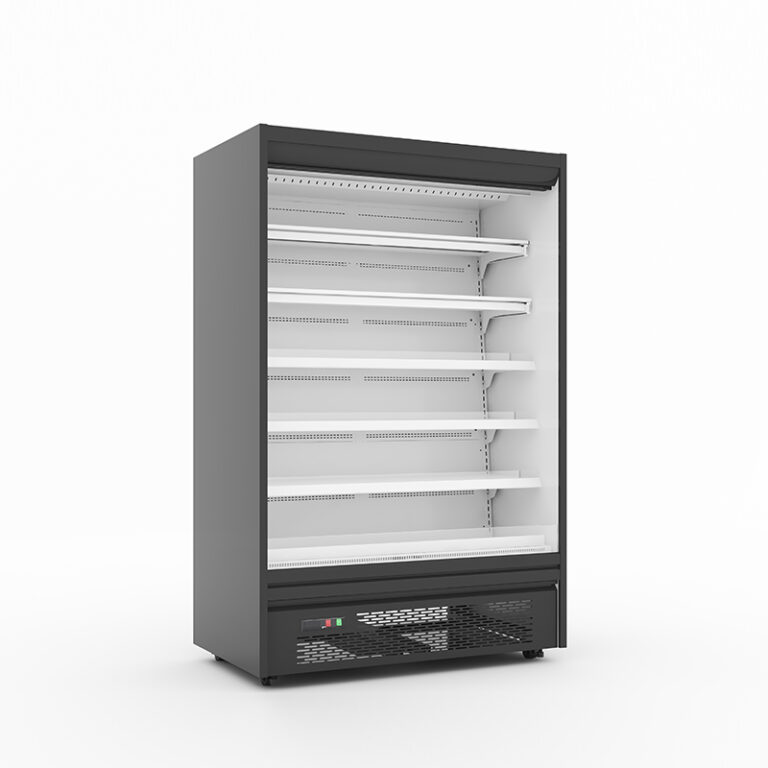
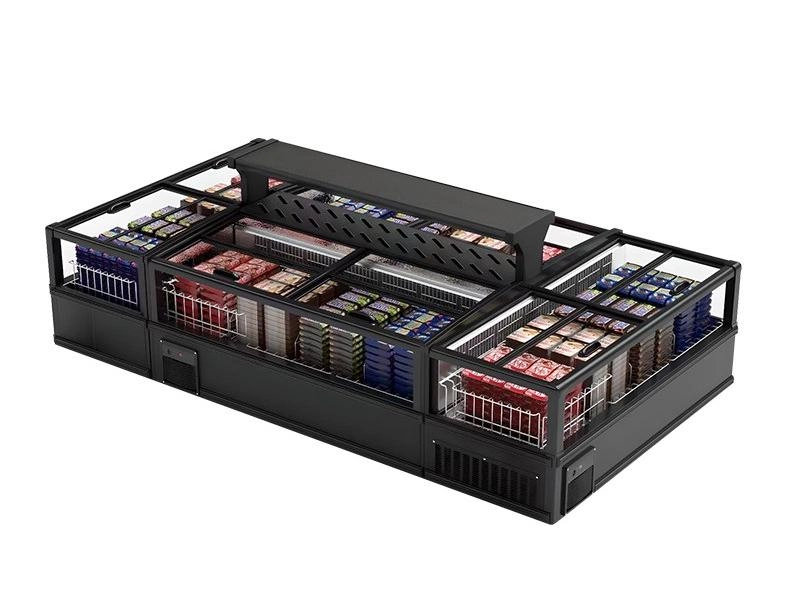
Lowering indirect gas leaks by saving energy is just as important. Digital control systems help both systems change compressor speeds as needed. This lowers the total electricity used. For example, our Supermarket Display Deep Single Island Refrigerator Freezer uses smart speed-changing tech. It can cut yearly power bills up to 50%. At the same time, it keeps cooling steady. This shows how smart design directly shrinks a store’s carbon footprint.
Where Are These Technologies Best Applied in Retail Environments?
Store owners must match their system choice with their shop layout and size. This helps get the best efficiency in all cooling areas.
CO₂ Systems in Supermarkets and Hypermarkets
CO₂ systems are usually more suitable for larger supermarkets, hypermarkets, and centralized refrigeration networks that require multiple temperature zones or heat recovery. These stores need one main temperature control system for many sections. This includes frozen food aisles and big walk-in cold rooms. The technology also has a smart heat recovery feature. It takes waste heat and turns it into store heating or hot water. This adds energy savings for the whole building.
R290 Solutions for Modular Retail Installations
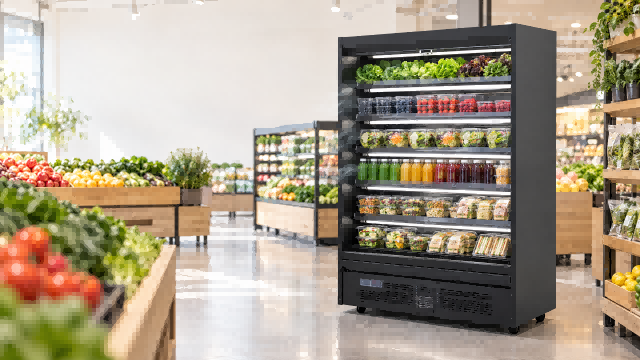
R290 is often better suited for self-contained plug-in units, glass-door freezers, beverage coolers, and modular display cases where flexible placement matters. It is suitable for standalone plug-in freezers or smaller corner stores. In these places, flexibility is more important than having one central system. Units like our Commercial Vegetable & Fruits Display Refrigerator Showcase show how separate systems work well. They give a great look for selling items. They also keep running costs very low through smart air flow and bright LED lights made for fresh food displays.
How Are Modern Commercial Freezer Designs Integrating These Refrigerants?
New commercial freezer designs focus highly on working well with natural refrigerants. They also use smart digital controls to make daily running much better.
Compatibility with Display Refrigerators and Freezer Units
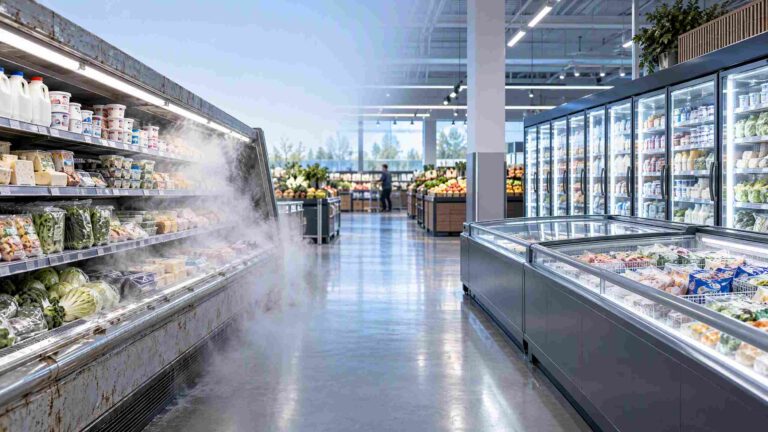
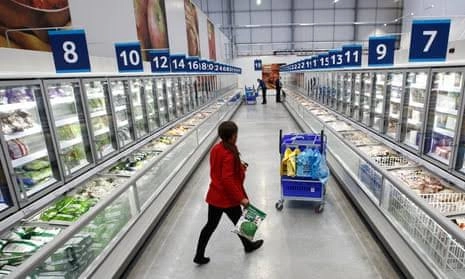
Both CO₂ refrigeration vs R290 systems fit into many product types. This includes glass door chillers, open multideck displays, island freezers, and self-service counters. The choice depends on what the store needs. Each system makes sure temperatures stay even. This is a must for keeping food fresh. It works for drinks kept at +4°C in chillers. It also works for frozen foods kept at -18°C inside deep freezers.
Role of Digital Controls and Monitoring Systems
Smart monitoring systems are now the main core of green cooling management. Smart repair programs check how the compressor runs. They spot problems before machines break down. This keeps machines running smoothly during busy shopping hours. These features help reduce downtime and support more stable operation during busy retail hours. They also make the equipment last much longer. Furthermore, they meet the new ESG reporting rules that global stores must follow.
Why Is Create Refrigeration a Reliable Partner for Eco-Friendly Commercial Solutions?
Create Refrigeration provides commercial refrigeration equipment for supermarkets, convenience stores, cafés, and cold chain projects. Its product range includes glass door coolers, glass door freezers, island freezers, open chillers, and display cabinets. For buyers comparing CO₂ systems and R290 refrigeration, the company can support project-based product selection according to store size, temperature zone, layout, voltage, and refrigerant configuration.
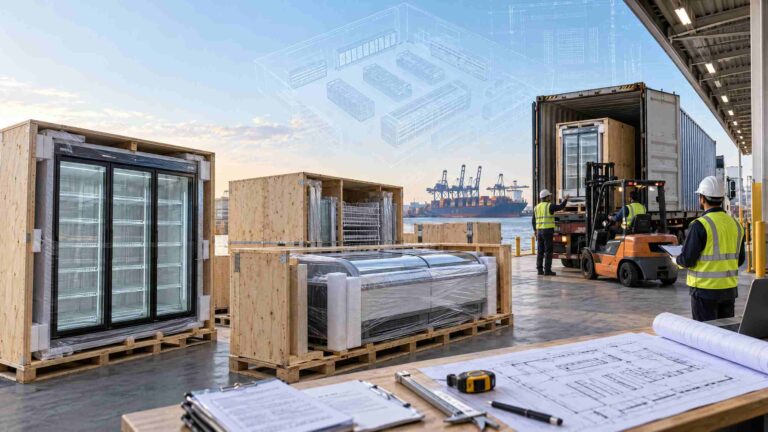
Create Refrigeration also supports OEM/ODM customization and CAD-based store layout design, helping retailers plan equipment placement before installation. The company focuses on CO₂ solutions, R290 refrigerant applications, energy-saving materials, efficient refrigeration systems, and stable air curtain designs. Its products hold certifications including CE, CB, ETL, ISO, GEMS, ROHS, UL, and IEC. Buyers should still confirm the required certification, refrigerant type, and safety documentation for the destination market before placing an order.
Evaluating the Right Choice Between CO₂ Refrigeration vs R290 Systems
Both CO₂ refrigeration and R290 offer great ways to reach green cooling in big retail shops. For central supermarket setups that need mixed temperature zones or heat saving, CO₂ is great. It grows easily and works hard under changing loads. On the other hand, R290 is a highly cost-effective choice. It offers flexible modular placement. It is useful for separate plug-in setups. It focuses on low noise, easy repair, and a very small green footprint. If you would like to learn more, please read this article.
FAQ
Q1: What are the main differences between CO₂ refrigeration vs R290 systems?
A1: CO₂ runs under much higher pressure. It fits big central networks that need one main control for many zones. On the other hand, R290 runs efficiently at a lower cost. It is helpful for smaller, separate setups where easy installation is very important.
Q2: Which option is more suitable for a supermarket commercial freezer setup?
A2: For supermarkets that need central cooling across many aisles or big cold rooms, a CO₂ system scales better. However, R290 fits independent display cases or small areas. It gives flexible placement without big building changes.
Q3: How does Create Refrigeration support eco-friendly retail operations?
A3: We provide complete green solutions. We mix both refrigerant technologies into flexible commercial freezer designs. This ranges from glass-door chillers to deep island freezers. We ensure you meet green rules while getting maximum energy savings at every running step.