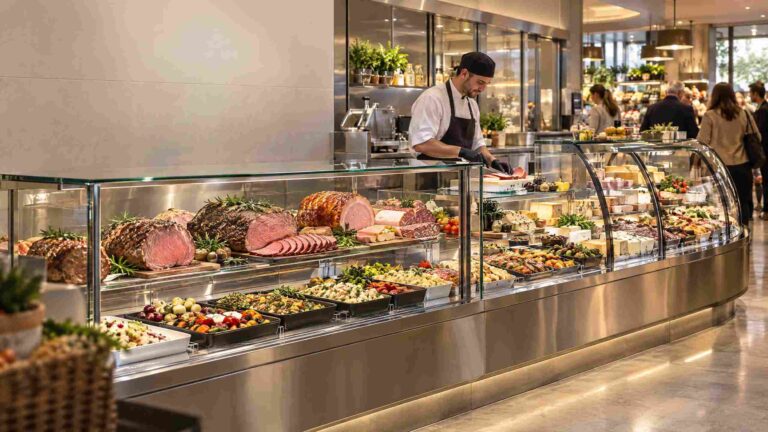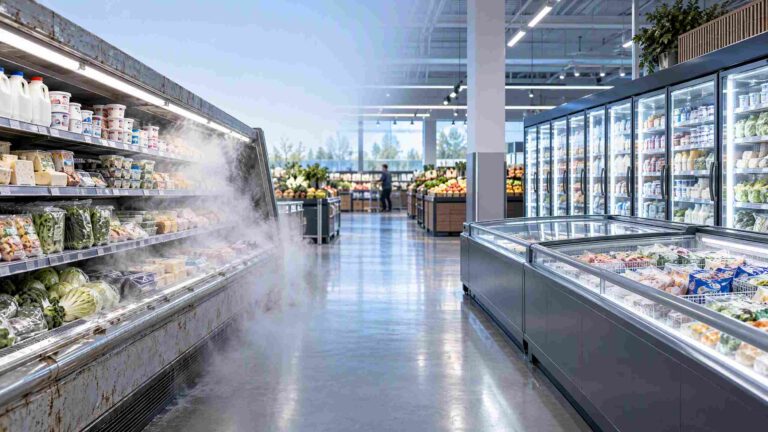
The worldwide cooling business is going through a major shift. Strict environmental rules are pushing the move to low-GWP (Global Warming Potential) refrigerants. Supermarkets use a lot of power. They play a huge part in this change. They are picking natural refrigerants to stay green. This also helps them follow global commercial refrigeration regulations. Among these choices, R290 (propane) stands out. It has become a top eco-friendly commercial freezer option. This is because it saves a lot of power and has a much lower climate impact.
Natural refrigerants like R290 are vital for supermarkets. These shops want to cut down greenhouse gas output. At the same time, they need to keep their daily work smooth. These green options meet new commercial refrigeration regulations. They also boost how people see the brand. They show a real care for nature. Moving to R290 display cases makes cooling work better. It cuts down lifetime spending, and it also makes company green reports look stronger. Lawmakers and buyers care about these things more and more.
Comparing R290 and HFCs in Commercial Refrigeration
supermarkets often check their choices for cooling updates. It is very important to grasp the tech and rule changes between R290 and HFC setups.
Key Characteristics of R290 vs HFCs
R290 (propane) has a GWP under 3. This makes it almost safe for the climate. Old HFCs like R404A or R134a have GWPs over 1,000. Besides its low GWP, R290 has great thermodynamic properties. These traits allow faster heat swapping, and they also lower the power needed. When the system is designed properly, R290 equipment can often support efficient cooling and lower energy use compared with many older HFC-based systems. This clear edge leads straight to smaller power bills, which helps shop owners who run huge cooling networks.
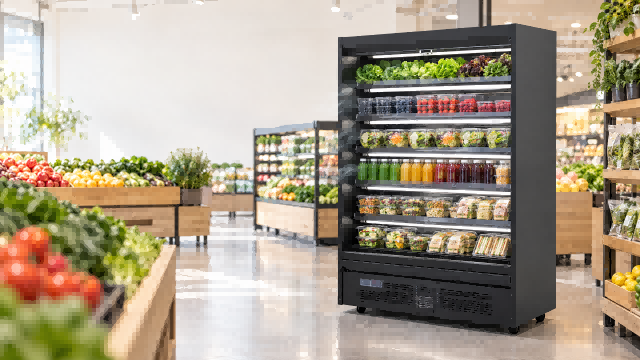
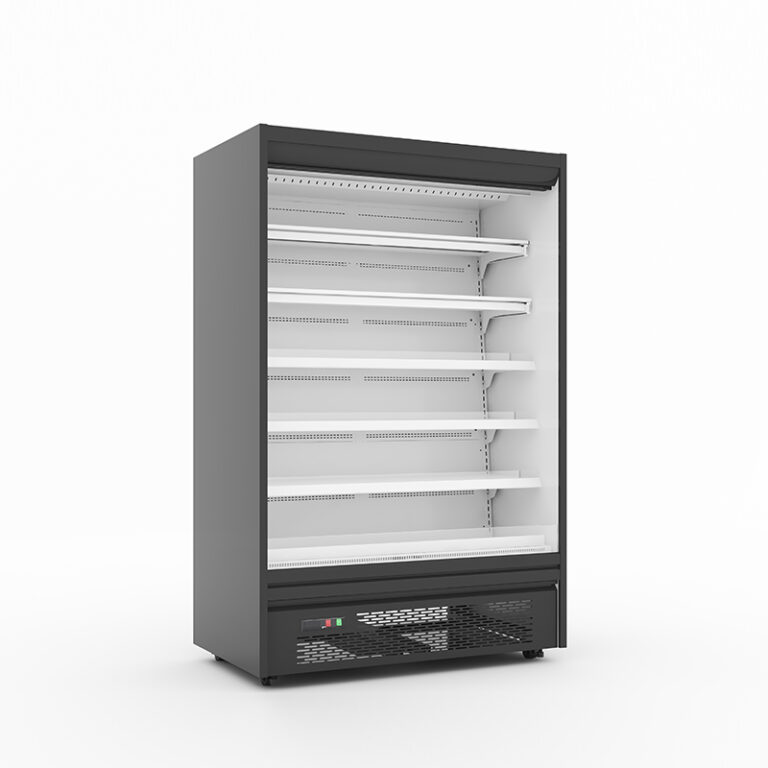
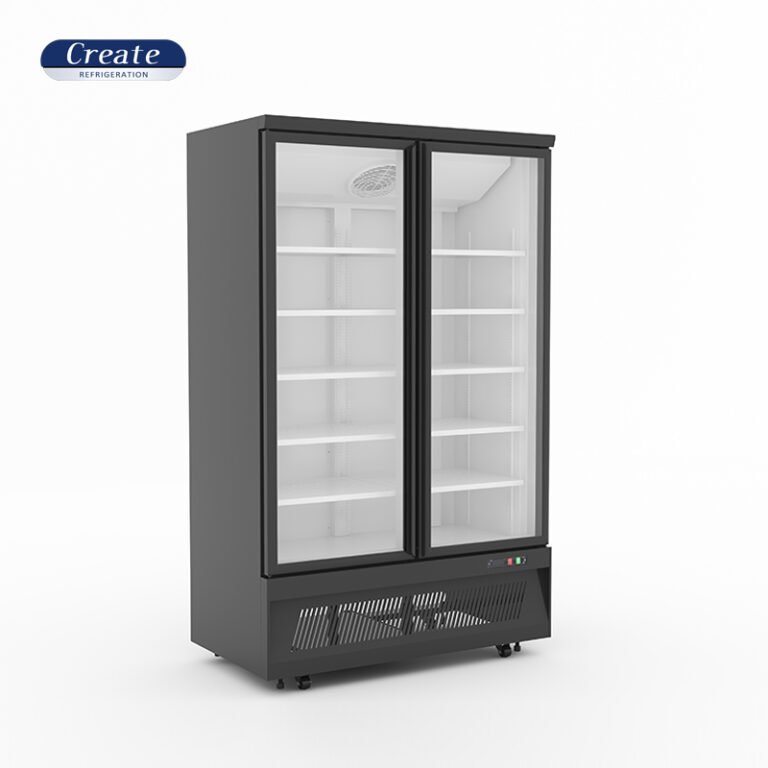
For instance, our supermarket display refrigerator uses either R404A or R290 options. It has inverter technology. This tech can cut yearly power bills by up to 50%, which shows how smart design works with natural refrigerants. Together, they bring lower energy use.
| Factor | R290 | Common HFCs |
|---|---|---|
| Refrigerant type | Natural hydrocarbon | Synthetic refrigerant |
| GWP | Around 3 | Often hundreds to thousands |
| ODP | 0 | Usually 0, but high GWP |
| Energy efficiency | Often efficient when system is designed properly | Depends on refrigerant and system design |
| Safety concern | Flammable, requires proper design | Lower flammability in many common types |
| Regulatory pressure | Supported by low-GWP transition | Facing phase-down pressure in many markets |
Environmental and Regulatory Implications
Global deals like the Kigali Amendment force the cutback of HFCs in in-store cooling uses. Because of this, supermarkets in Europe, Asia, and North America are moving fast. They are taking up natural refrigerants for supermarkets to stay in line with the law.
R290 has very low GWP and zero ozone depletion potential, but because it is a flammable hydrocarbon refrigerant, equipment design, charge limits, ventilation, and service procedures must follow applicable safety standards.
Operational Benefits of Transitioning to R290 Display Cases
Switching from HFC setups to natural refrigerant choices brings clear daily perks. These go beyond just following the law.
Energy Efficiency and Performance Advantages
R290 display cases give steady cooling power. They work well even during busy shop hours, and they also use much less power. Their better heat traits let the cold return faster after doors open, which is key in busy supermarkets. In these shops, steady cold keeps food safe to eat.

Safety and System Design Considerations
New gas-based setups include strong safety parts, and they have leak sensors. They feature smart airflow designs, and they also use auto shutoff valves. These parts lower fire risks tied to propane use. Good worker training guarantees safe setup and fixing steps. These steps meet EN378 and ISO 5149 rules, and these rules guide gas setups in store spaces. Our tech groups plan each eco-friendly commercial freezer setup. They follow global safety laws. At the same time, they keep the shapes easy to use for daily shop work.
Economic Impact of Adopting Natural Refrigerants for Supermarkets
Moving to natural refrigerant tech is not just a green choice. It is a smart money move, too.
Cost Analysis: Short-Term Investment vs Long-Term Savings
First swap costs might look steep. This is due to special parts or new setup designs. But long-term savings from using less power quickly make up for the early spending. Needing fewer fixes lowers lifetime costs even more., which happens because fewer parts break under good working loads. Also, many state groups now give cash perks or tax breaks. They reward the use of green cooling tech, which improves total return rates for grocery chains. These chains spend money on green updates.
Integration of Natural Refrigerants into Supermarket Operations
Putting natural refrigerant setups into a store needs careful thought. But it offers practical options. These fit both brand new setups and old unit updates.
Application Scenarios for R290 Display Cases in Retail Environments
Glass Door Chillers & Freezers Applications
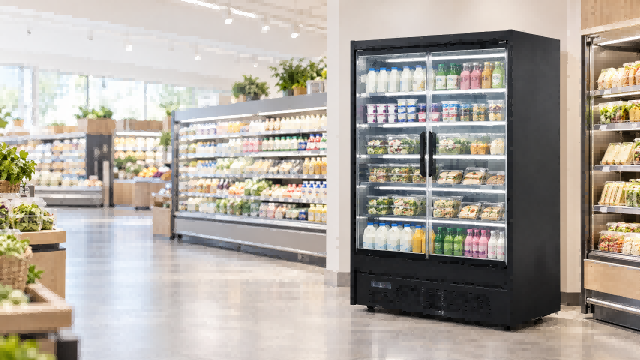
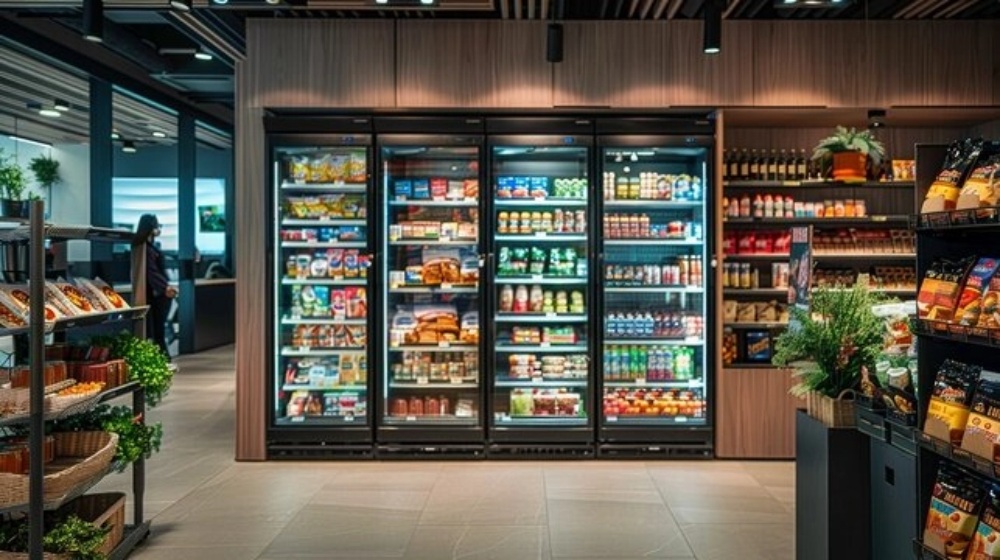
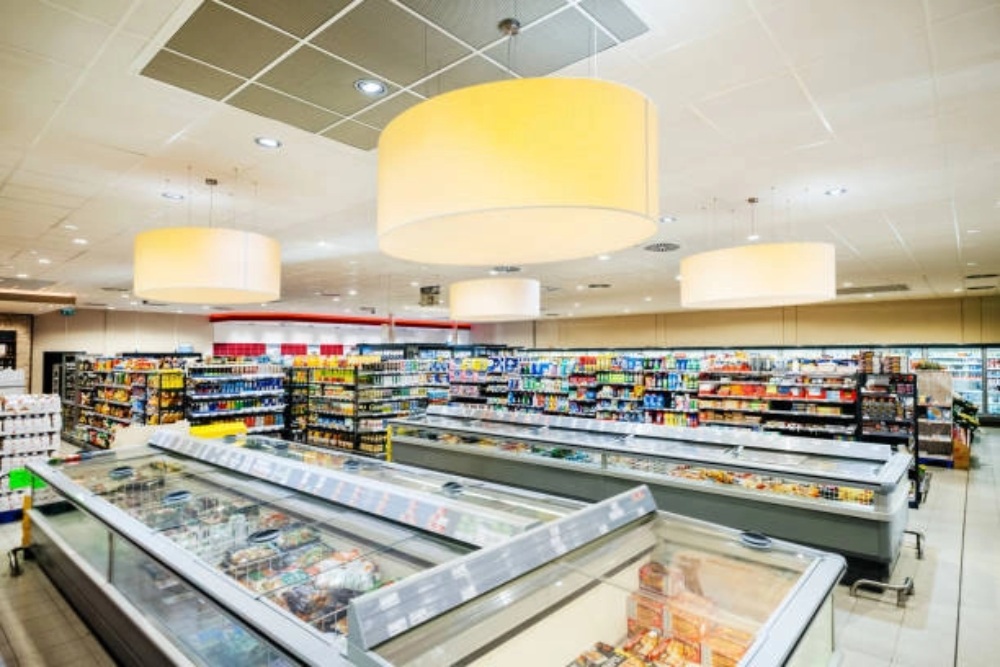
Glass door chillers work great for drinks, water, yogurt, fruits, and greens. These goods need exact cold between 2°C and 8°C. At the same time, freezers hold a -18°C cold state. This is perfect for icy fish, meat cuts, or ice cream packs. They look great under LED light setups. The lights boost how well buyers can see the goods. They also give off very little heat.
Create Refrigeration: Reliable Supplier of Natural Refrigerant Equipment
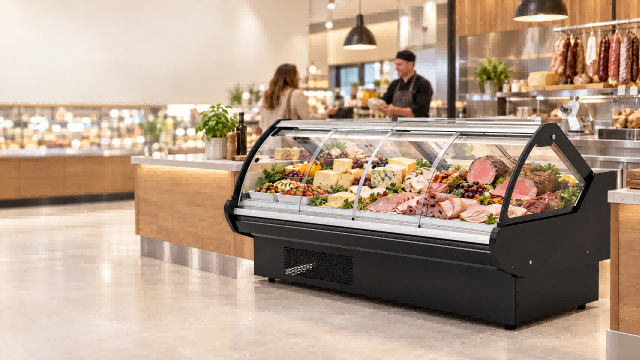
Create Refrigeration is the one-stop commercial refrigeration supplier. We serve supermarkets and build projects in China. We blend design, making, and testing into one smooth process. We focus on top-tier grocery display cases. These cases use natural refrigerants like R290. Our goods line includes glass-door chillers, freezers, and combined island freezers. We also make semi-multideck open chillers and meat display counters. All are built for top power-saving marks. They hold CE, CB, ETL, RoHS, UL, and IEC tags.
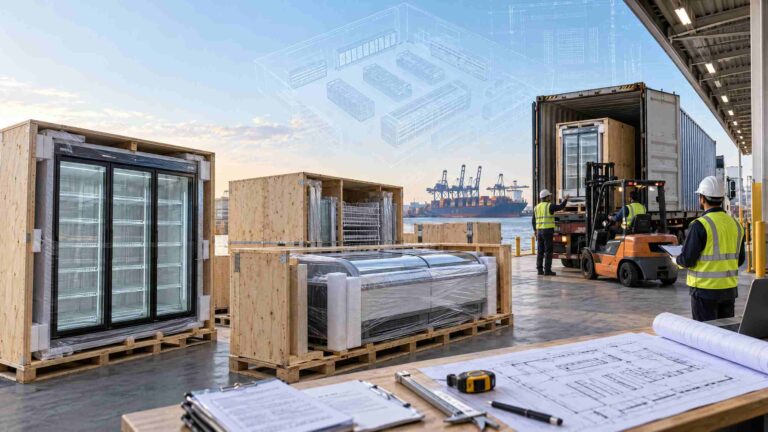
We aim to give all-in-one direct factory sales help around the world. We have skilled design teams. They can make custom CAD plans and 3D views. These are based on buyer shop plans. Our tech help runs from the first talk to setup tips. We also offer after-sales care everywhere. This ensures smooth project finishes. It matches changing commercial refrigeration regulations. To see how we can help your grocery chain move to green cold chain setups, please look at our site. You can also ask for custom OEM or ODM services. These are built around your daily needs.
Conclusion
The move from old HFCs to natural refrigerants like R290 is a big step, which leads to green grocery store work all over the world. It does more than just meet legal rules like the Kigali Amendment. Using these modern tools boosts power savings by up to 50%. It cuts greenhouse gas output by a lot, and it also builds up the brand name. It appeals to green-minded buyers who want clean shopping trips. Teaming up with skilled manufacturers ensures a smooth start, which covers everything from setup design to daily fixes. It lets shop owners guard their spending for the future, which helps them add to global carbon-cutting goals. Every eco-friendly commercial freezer placed in their shops helps.
For more cooperation opportunities or talks on custom green cooling setups, please reach out. We can match your shop network needs. Please contact us. If you would like to learn more, please read this article.
FAQ
Q1: Why should supermarkets choose natural refrigerants like R290 over traditional HFCs?
A1: Natural refrigerants like R290 have very low GWP scores compared to HFCs. They fully meet global commercial refrigeration regulations. They also give higher power savings. This cuts power bills by a lot over time. All of this backs the company’s green goals in modern shop spaces.
Q2: Are R290 display cases safe for use in large retail environments?
A2: Yes. New gas-based designs include built-in leak sensors. They also have smart airflow setups. These meet EN378 and ISO5149 rules. They ensure safe daily work even in packed grocery spaces. They do this without hurting cooling power or product safety.
Q3: How can Create Refrigeration assist supermarkets during the transition process?
A3: We give full support from start to finish. This includes machine picking tips based on layout plans. We offer free CAD views. We provide setup training plans built around local rule needs. We also give ongoing maintenance support. This ensures long-term trust across all placed natural refrigerant setups worldwide. You can reach our wide service network through Create Refrigeration.