Ice buildup in a walk-in freezer goes beyond simple upkeep trouble. It points to problems that waste power, stress gear, and harm the item’s condition. Businesses that depend on steady cold storage need to stop frost from forming, which keeps things running smoothly and protects food safety.
What Are the Common Causes of Ice Buildup in Walk-In Freezers?
How Does Air Infiltration and Moisture Intrusion Lead to Frost Problems?
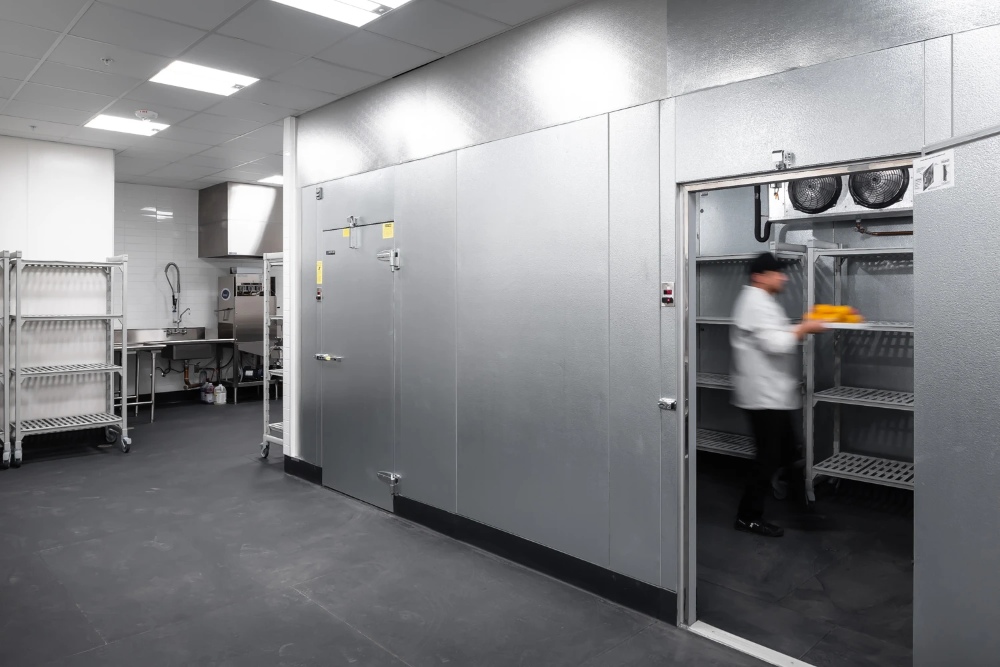
Warm, moist air slips into a walk-in freezer and turns to water on cool spots. Then it freezes right away. With time, thick ice covers areas near doors, floors, or evaporator coils. Small gaps at door seals, bottoms, or pivots cause slow but steady frost growth. Opening doors often or for long spells boosts the inside wetness, which speeds up ice formation.
From our work building cold storage like walk-in coolers/freezers, we know that exact sealing and airflow handling cut down moisture entry a lot. Our setups use strong magnetic door seals, and they also offer air curtains as an option. These hold steady inside temperatures even in busy times.
Why Do Improper Defrost Cycles Cause Ice Formation?
Defrost cycles work to melt frost on evaporator coils before it gets bad. But if they run unevenly or weakly—maybe from broken timers or sensors—the system fails to clear frost well. Stopping manual defrost too soon can create uneven heat spread in the freezer space. To fix this, our cooling systems use microcomputer controls for temperature. They set defrost times based on how much is stored, which keeps heat exchange even and saves power at the best levels.
How Do Temperature and Pressure Imbalances Contribute to Ice Buildup?
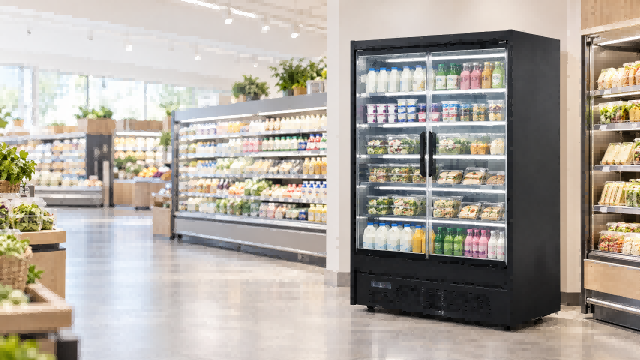
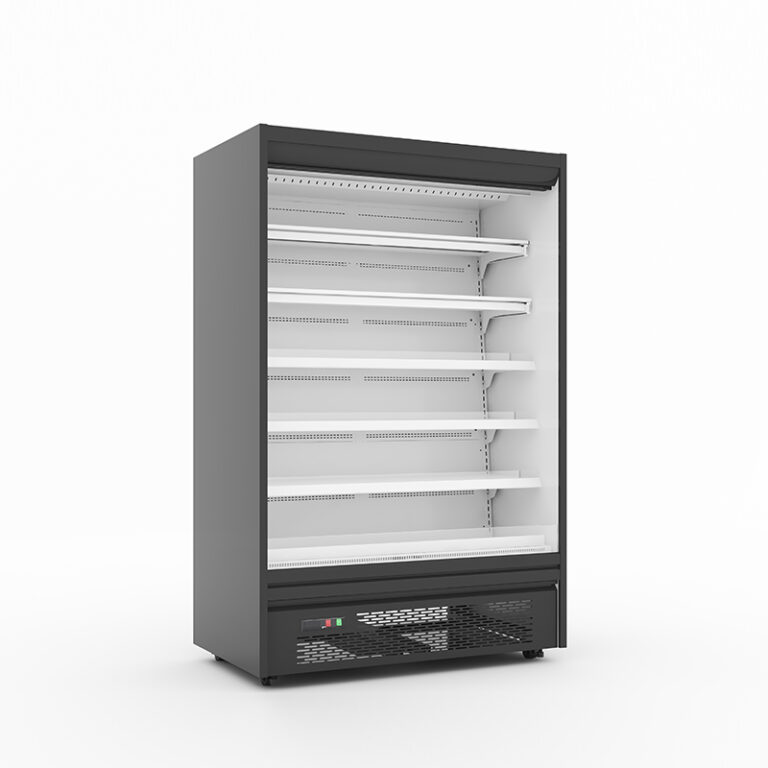
Uneven temperatures in a walk-in freezer come from wrong thermostat settings or bad sensors. If coil heat falls under planned levels due to low refrigerant or wrong fan speeds, extra frost builds fast on parts. Fans that spin too slowly mess up air movement, which leads to cold spots in certain areas. Our better evaporator designs—in lines like Multideck Open Chillers—have efficient fan motors. They spread air evenly and keep the heat steady across the whole storage zone.
How Can You Identify Early Signs of Ice Accumulation?
Spotting ice early lets workers fix things before work slows down. Small clues can show deeper troubles that need quick care.
What Visual Indicators Should You Look for on Surfaces and Components?
Frost near door edges or roof panels often means air leaks from old seals or crooked doors. Ice on evaporator coils suggests poor heat flow, tied to blocked air or dirty coils. Patchy frost hints at air flow issues, like fan troubles or blocks in air paths. Regular sight checks belong in every upkeep plan. Pairing them with heat imaging tools finds hidden leak spots before they turn into big fixes.
Which Performance Symptoms Reveal Operational Problems?
Work issues show up as longer compressor runs and higher power use. Odd sounds from fans or compressors might mean ice blocks are moving pieces. Heat changes inside hurt stored items—key for fresh foods in shops. We add data trackers to our cold units, and they watch the temperature and wetness all the time. This spot’s odd patterns warn early of frost risks.
What Diagnostic Methods Help Determine Root Causes?
After seeing ice, careful checks find the true problem instead of just surface fixes.
How Should Door Seals and Structural Integrity Be Inspected?
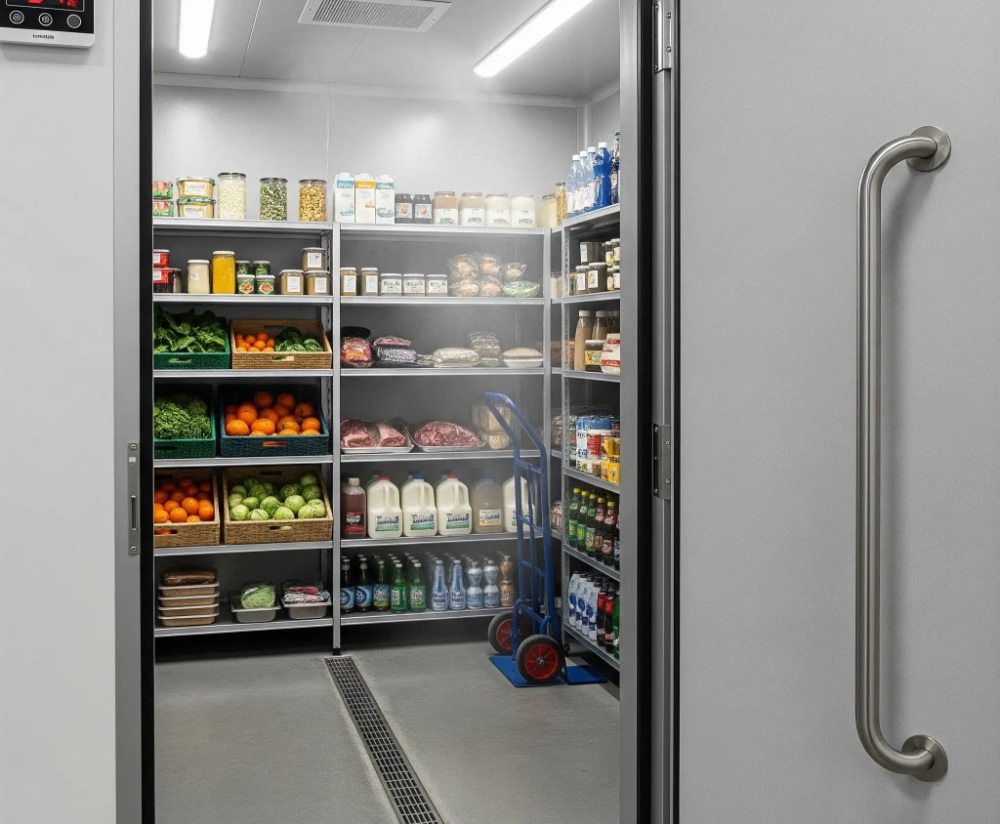
Check door seals for even pressure and a straight fit. Seal any spaces between wall panels right away to block moisture. Heat-sensing cameras let techs see warm air gaps that eyes miss. We suggest this for checks every three months on business freezers.
How Can Refrigeration System Functionality Be Evaluated?
Check intake and output pressures to see if refrigerant levels match plans. Test bad defrost heaters or sensors for steady work and swap them if needed. Note heat readings at several spots in the space, which shows cooling gaps that link to air blocks or control faults.
Our tech teams use top check steps that match world rules like CE and ISO certifications. Create and obtain CE, CB, ETL, ISO, GEMS, ROHS, UL, and IEC certifications. These steps make sure each unit works steadily in different surroundings.
What Are Effective Solutions to Prevent Future Ice Formation?
Stop measures target seal strength, defrost tuning, and site surroundings for the freezer.
How Can Door Sealing and Air Management Systems Be Enhanced?
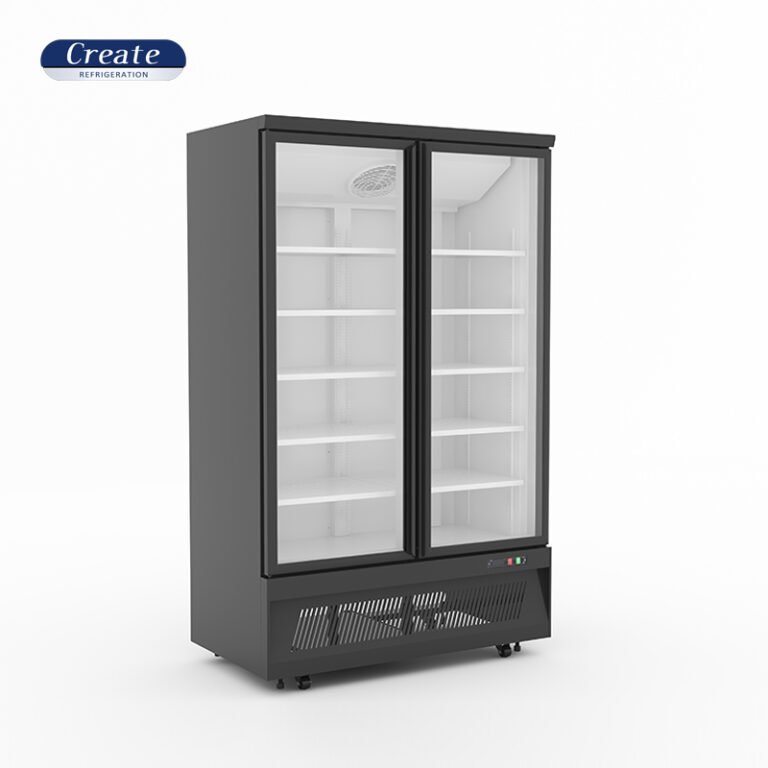
Swap old seals for tough magnetic ones built for cold spots, which blocks entry well. Add strip doors or air curtains to cut heat swap during many door uses—vital in busy spots like stores or food plants. Auto door closers shorten open times when not in use. Our glass-door freezer & cooler models have self-closing parts with double glass for better heat hold, which cuts wetness entry and boosts the view for shop items.
Why Is Optimizing Defrost System Operation Critical?
Tuning defrost cycles makes frost removal smooth without straining compressors or losing power. Cleaning evaporator coils often improves heat pass in melt times, and it also stops germ growth from water leftovers. New sensors fix timing right for even system work. The smart controls in our cooling tools use clever math to change defrost based on use levels, which helps big walk-in freezers that run non-stop with shifting loads.
How Do Environmental Controls Around the Freezer Affect Ice Prevention?
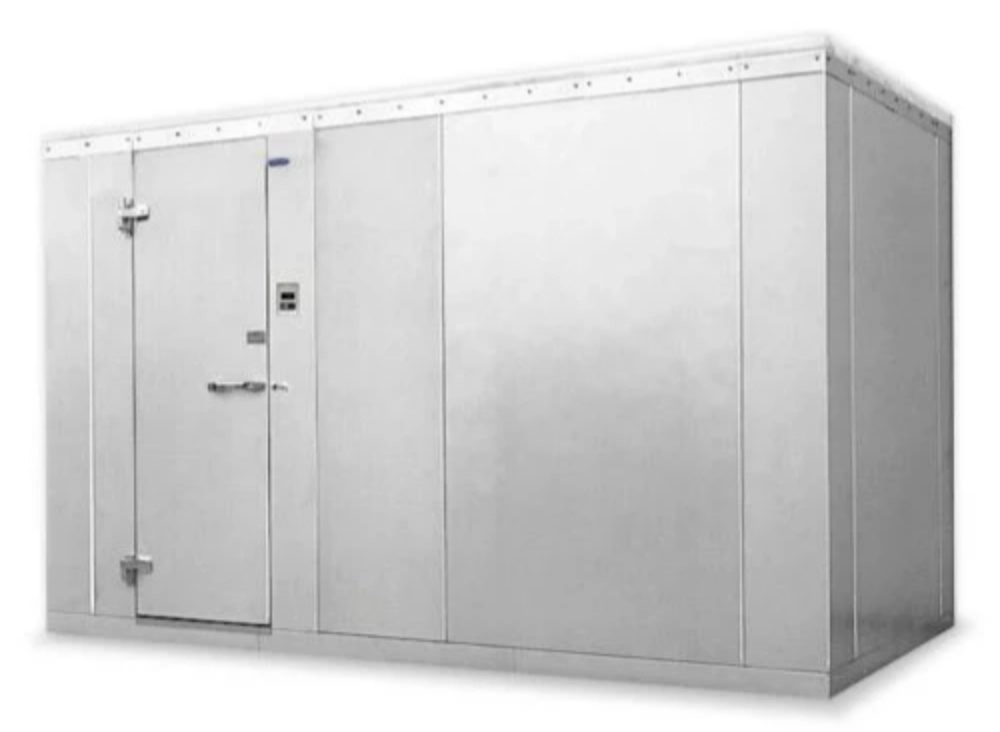
Outside wetness affects inside water risk, so steady air around with dryers matters. Good airflow near doors stops water spots when warm meets cold. Watching outside heat keeps door pressure even over work periods. We advise adding site changes to wide power plans. They not only stop ice but also boost overall power savings in setups with many units.
What Long-Term Maintenance Strategies Ensure Sustainable Operation of Walk-In Freezers?
Lasting trust comes from active check routines plus data-based upkeep plans. Trained staff who know cooling basics support this.
Why Are Scheduled Inspections Essential for Longevity?
Checks every three months on seals, wall strength, and main cooling parts for spot wear early to avoid big breaks. Digital watch systems track heat trends over time. They give warnings for fixes before troubles cause stoppages. Teaching upkeep teams to spot small signs like uneven frost lets them act fast in set service steps, which keeps storage quality steady for all item types.
How Does Energy Efficiency Relate to Ice Prevention Measures?
Good systems fight extra frost by holding even heat over work times. Regular thermostat tuning keeps exact heat control. Tuned pressure handles steady refrigerant flow on coils. Switching to low-heat LED lights inside cuts warm spots that start in water areas near the tops or racks. Power software links give advanced planning. It sets upkeep times with past data metrics, which holds top power use all year without hand checks.
Introduce Create Refrigeration.
As experts focused on improving business cold storage tech worldwide, Shandong Create Refrigeration Co., Ltd. stands as the biggest full-service spot buyer for shops and built projects in China. Our goal stays on giving strong walk-in freezer answers built on green ideas with safe R290 coolants. Create Refrigeration is committed to the application of environmentally friendly R290 refrigerants and new energy-saving materials in products, pursuing high efficiency and energy conservation, and leading a green lifestyle.
We blend fresh design with top-notch making in a large 50,000-square-meter site that makes over 23,000 units each year. The factory covers an area of 50,000 square meters and has an annual output of more than 23,000 sets (sets). Our full item ranges—from multideck chillers to island freezers—show years of tech polish aimed at better food keeping around the world through Create Refrigeration.
For buyers wanting custom fits to match space needs or style choices, we offer OEM/ODM tailoring via OEM/ODM services. Pro teams work closely with CAD tools to make sure each answer fits work demands. They maximize long-term value with strong build checks under CE rules. We have all kinds of quality inspection certificates and strict factory inspection standards.
To see how our full cooling tech can lift your site’s work levels while ending ongoing ice issues in walk-in freezer setups, please contact us now for advice matched to your business setup.
FAQ
Q1: What causes recurring ice formation even after regular cleaning?
A1: Ongoing frost often comes from unseen air leaks near doors or wall joins, plus wrong defrost timing. Fixing both at once brings real fixes, not just short cleanups.
Q2: How often should defrost cycles be recalibrated in commercial walk-in freezers?
A2: How often to tune depends on how much it’s used, but checking settings every three months matches the system to real loads. This keeps coil work best without extra stop times.
Q3: Can upgrading door hardware significantly reduce ice buildup?
A3: Yes. Fitting new magnetic seals with auto closers cuts warm air entry a lot. This lowers water stalls that build most inside frost in heavy-duty walk-in freezers.