
In today’s refrigeration engineering, evaporators serve as the core of every fridge and freezer setup. They act as the main heat exchange point where refrigerant takes in heat from the cooled area, keeping perishable items at ideal storage levels. The effectiveness of this heat exchange process affects not just steady cooling but also ongoing energy use. With refrigerants shifting to greener options and smaller layouts becoming common, fresh ideas in evaporator design play a key role in reaching sustainability and exact temperature management.
For those in refrigeration, evaporator design links directly to the whole system’s dependability and output. The need for small, power-saving, and rust-proof parts keeps growing, especially in business refrigeration setups for stores and food services. Better materials like aluminum mixes and copper pipes, along with smart air flow handling, boost strength while cutting down on frost buildup. Linking with digital thermostats and adjustable-speed fans improves flexible cooling output. These features appear in our product ranges for supermarket chillers and freezers.
Core Principles of Refrigeration Evaporators
The evaporator’s role in thermodynamics stands at the center of the refrigeration cycle. It pulls in hidden heat from the inside of the fridge or freezer as the refrigerant changes from liquid to gas. This action shapes the compressor’s effort: a drop in evaporation pressure lowers temperature but raises energy needs. So, fine-tuning pressure balance inside the evaporator steadies the inner temperature. At the same time, it supports smooth compressor work during long runs.
Heat Transfer Mechanisms in Evaporators
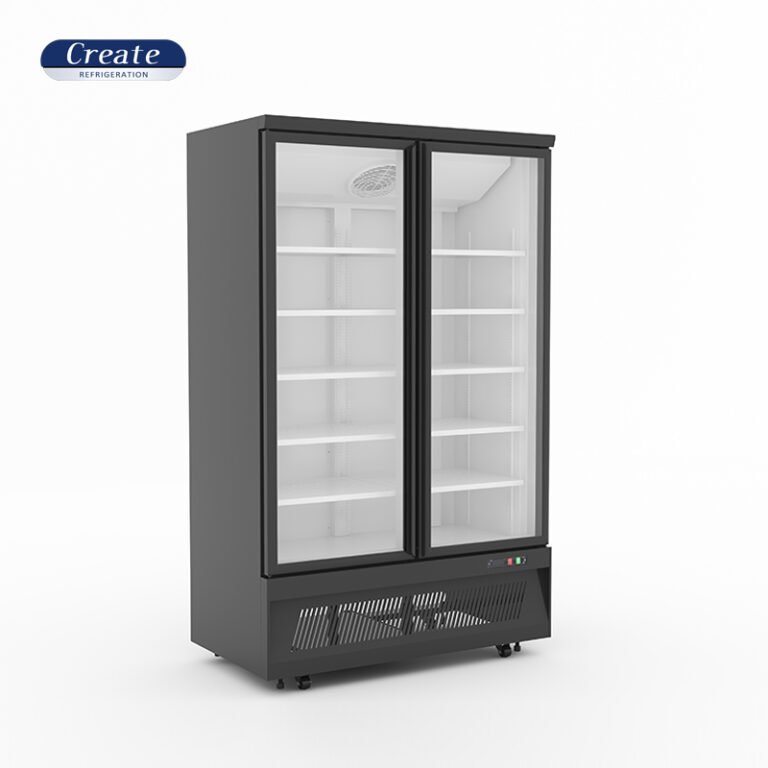
Heat moves in an evaporator mainly by conduction across metal parts and convection through moving air. The shape of fins, the density of surface area, and the air flow pattern decide how well heat comes out of stored goods. Bad air flow might lead to uneven cooling or frost layers. Such problems often get fixed by systems that push air around. For instance, our Commercial Glass Door Upright Freezer relies on an internal thread evaporator with an Elitech thermostat and EBM fan to keep even cooling over several levels.
Design Classifications and Configurations
Types of Refrigeration Evaporators Used in Fridges
Evaporator design changes based on the size of the job and the heat load needed.
Plate-Type Evaporators
These small units use metal plates joined around refrigerant paths, perfect for tiny fridges or built-in spaces where quiet work matters. Their level build lets them touch stored items right away for quicker heat conduction.
Finned-Tube Evaporators
Finned-tube styles pair copper tubes with aluminum fins to boost surface area. This setup improves heat transfer by convection when air is forced through. It suits big business refrigerators that need steady air spread in display cases.
Forced-Air Evaporators
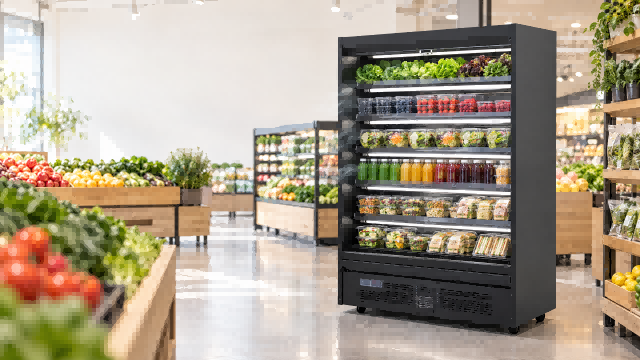
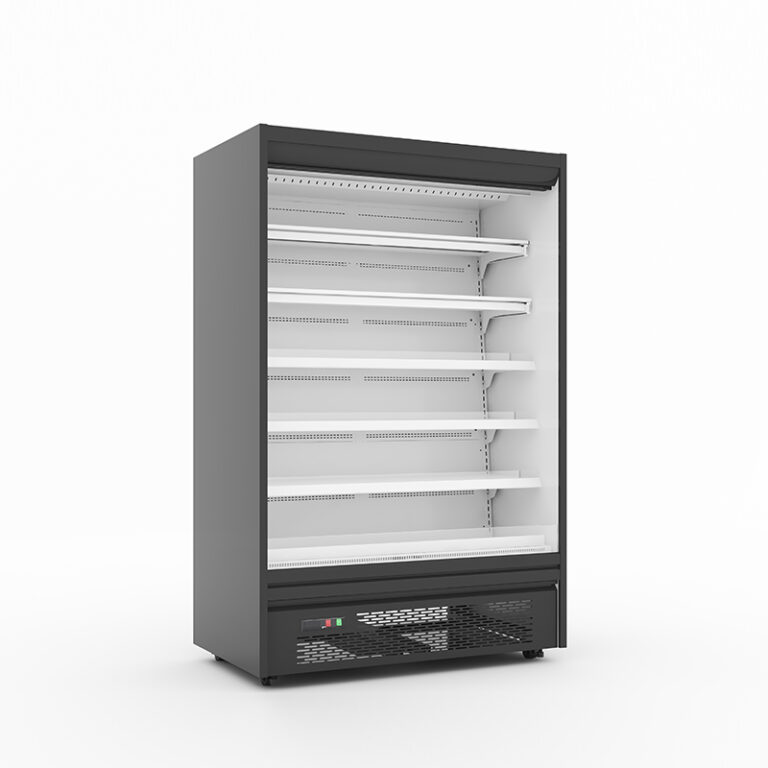
Forced-air types use fans to spread cold air evenly in bigger spaces like supermarket chillers or display islands. They prove vital for open refrigeration where outside air slips in. Quick action counters that to keep the product fresh.
Material Selection and Corrosion Resistance Considerations
Choosing materials sets both lifespan and heat output. Aluminum brings lightweight and good efficiency. Copper gives the top conductivity. Stainless steel offers a firm build in damp settings. Coatings against rust matter a lot in wet spots like displays for seafood or meat. Weighing cost against lasting quality remains important. Our making process uses shielding foam agents that hold low-energy work without violating cleanliness rules.
Performance Optimization Techniques
Enhancing Energy Efficiency Through Design Innovation
Boosting energy savings starts at the tiny structure level: microchannel methods spread refrigerant evenly over evaporator faces, cutting the amount needed while keeping power. Fans with changing speeds tweak air flow based on input from sensors, dropping power use in quiet times. In our island freezers, like the Island Cabinet Freezer, two compressors run under smart control rules to keep the chiller and freezer areas working well apart.
Frost Control and Defrosting Strategies
Frost layers block air flow and cut heat transfer success. So, handling defrost forms a key part of steady performance.
Passive Defrost Systems
These depend on normal air cycles when the compressor rests to melt frost slowly. They fit light home units well.
Active Defrost Systems (Electric or Hot Gas)
Businesses often use electric heaters or hot gas rerouting for fast defrost. They keep inner temperatures steady. This proves a must in nonstop store work where stop time needs to stay low.
Integration with Modern Refrigeration Systems
As rules on the environment get stricter around the world, low-GWP fluids like R290 propane or CO₂ lead in new setups. Fitting evaporators for these needs involves adjusting pressure limits and checking material fit at higher pressures. More than 80% of our refrigerators use R290 eco-friendly refrigerants. This shift aids lasting growth goals. It also keeps safety in operations through better leak finders.
Smart Control Systems for Temperature Regulation
Today’s refrigerators include loops based on sensors that watch coil heat, dampness, and compressor turns right away. Algorithms for future upkeep check data patterns to stop issues before they grow. This cuts service breaks in big store chains.
Applications in Commercial and Domestic Fridges
In-home devices, small plate-type evaporators fit right into quiet systems built for low shake. These styles put user ease first without losing even heat spread or power savings.
Commercial Display Cabinets and Supermarket Applications
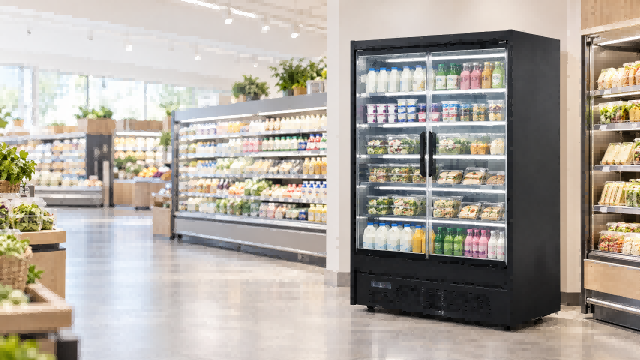
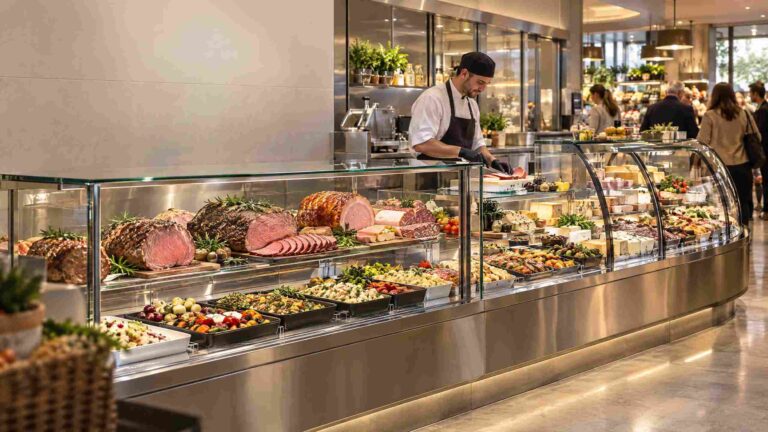
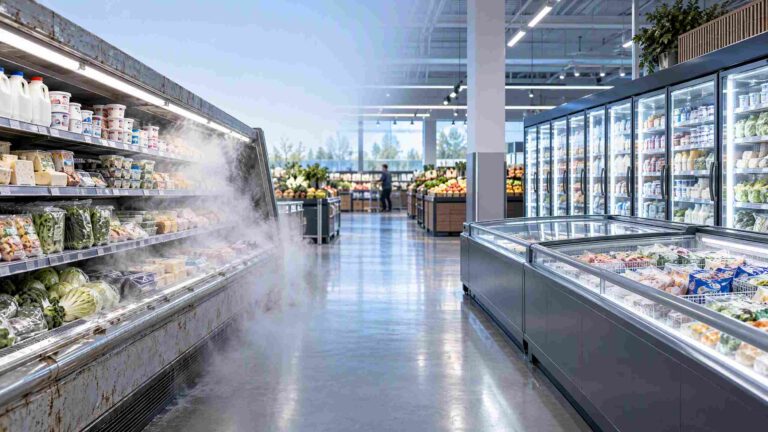
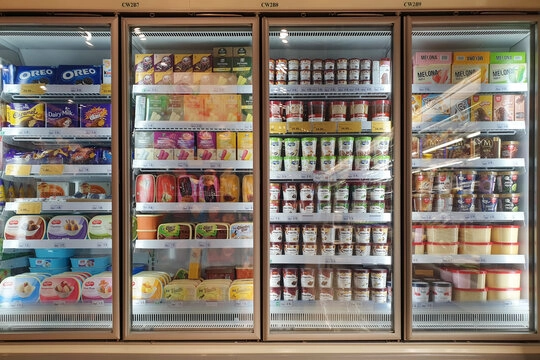
Business refrigeration calls for flexible setups matched to product kind. Glass door chillers hold drinks, dairy, fruits, veggies, or yogurt at exact cool levels using many-layered glass doors with insulation that cuts moisture build-up. For frozen items like fish or ice cream, island cabinets give deep-freeze trust with auto-defrost work. Our supermarket options cover glass door coolers for drinks and dairy, plus island freezers for frozen fish, meat, ice cream, and other cold foods.
Manufacturing Trends and Future Developments
Building with added layers now allows tricky fin shapes that old extrusion methods could not make. This betters control of swirls in air paths for stronger heat pull. Nanocoatings put on by plasma ways also raise surface wetness while stopping ice from sticking in cold runs.
Sustainability-Focused Design Directions
A study of a full life more and more steers part picks toward reuse and a smaller carbon mark. Light alloys cut mobile emissions. Modular build makes end-of-life take-apart easy. Paired with compressors driven by inverters, these steps provide a full view of lasting refrigeration setups.
Create Refrigeration: A Reliable Supplier Partner
SHANDONG CREATE REFRIGERATION CO., LTD. is located in Xingfu Industrial Park, Binzhou City, Shandong Province, China. Our products meet every country’s market needs, with top energy savings and level 1 use. They show steady performance and safer food storage. We offer CO₂ solutions, from planning to making them. Create Refrigeration focuses on using green R290 refrigerants and new power-saving materials in goods, chasing high output and savings, and guiding a green way of life. We push green tech and stick to lasting growth paths. We apply green protection ideas to planning, materials, power savings, and building.
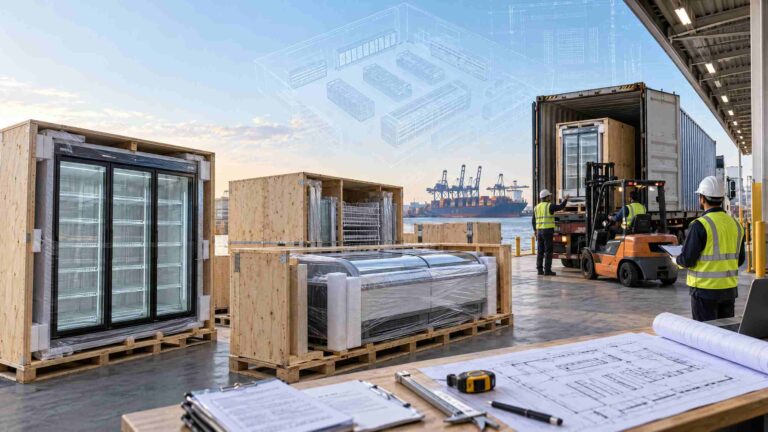
We have become China’s biggest one-stop buy manufacturer for supermarkets worldwide. This comes through pro design teams that give free CAD layout help when buyers get our gear.
Product Range Highlights
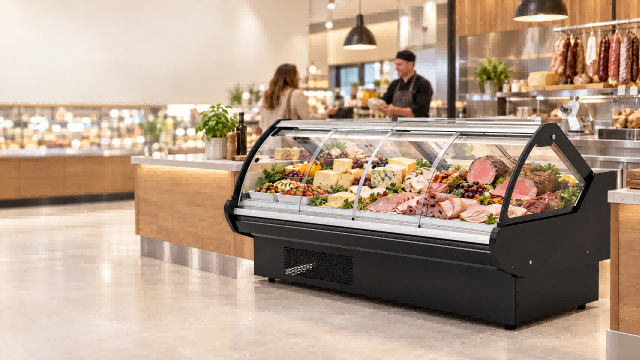
Our list covers business chillers, freezers, bakery showcases, service counters, deli display cases, stainless steel work spots, and cold storage units. We are back to full ODM and OEM custom work, fit to each buyer’s room layout.
Commitment to Quality & Innovation
We stress using safer, power-saving, and green tech in making business refrigerators. We stick to green tech to lift the product’s worth. Our builds mix leading inverter compressors that can cut power bills by up to 50% each year while holding steady output. This shows our drive for long-term trust in world markets.
For experts looking for strong refrigeration fixes backed by tech know-how and green marks, visit Create Refrigeration now for full project aid from idea planning through after-sales help. Today’s refrigeration evaporator design strikes a balance between heat output, advances in material knowledge, and duty to the environment. Steady new ideas, from microchannel tweaks to smart links, shape how next fridges will hit top output and nature balance in home and business areas.
FAQ
Q1: What factors influence the efficiency of a refrigeration evaporator?
A1: Output relies on the shape of the surface area (fins/tubes), even air spread by fans or paths; a fit with the refrigerant type (R290/CO₂); heat pass of materials (copper/aluminum); and good defrost plans that stop ice layers without too much downtime.
Q2: How do modern evaporators support eco-friendly refrigerants?
A2: They add tuned flowways set for higher-pressure natural gases like propane (R290). They use closed copper lines tough against leaks. This meets world low-GWP rules along with strong safety edges in non-stop work turns.
Q3: Why choose Create Refrigeration as a trusted supplier partner?
A3: We mix exact builds with bendable OEM/ODM custom skills backed by world certs (CE/CB/ETL/ROHS/UL/IEC). Our know-how spans full supermarket cold chain jobs, from display coolers to walk-in storage. We urge pros seeking fit fixes to reach us via our main site for talks on coming refrigeration plans.