30-inch commercial coolers have turned into essential pieces in retail shops, foodservice operations, and hospitality spots. Their small size and smart upright storage make them perfect for busy places where room is limited. You can spot these coolers showing off items like bottled drinks, fresh fruits and veggies, dairy products, and frozen goods.
Still, the costs for these apparently similar devices differ a lot. This happens because of various technical, legal, and practical reasons. Things like cooling methods and energy approvals each play a big role in how well they work and how much they cost. Owners of businesses who want to buy a solid 30-inch cooler need to think about these points closely, and they must match the cooler’s features with their daily needs.
What Are the Key Factors Behind Price Differences in 30-Inch Commercial Coolers?
The way a commercial cooler cools things down is a main reason for its price. Units that use fans to move air around keep temperatures even, and they also recover from door openings quickly. This is vital in busy store areas. Such models usually cost more than basic ones that just let air move naturally, and those simpler types work fine in spots with less activity.
Choosing the right compressor matters a great deal as well. By using the leading inverter compressor that experts trust, we make sure our products run smoothly and use less power, and they can cut electricity costs by as much as 50% in just one year. On the other hand, older-style compressors cost less at first. However, they end up using more energy over time.
Systems for melting frost affect the price, too. Ones that defrost on their own are handy. They cut down on repair time. So, people want them more, and that makes them pricier than ones you have to handle by hand.
How Do Material Choices and Build Quality Affect Investment?
The materials that go into a cooler are directly to how long it lasts and how it looks. Inside and outside parts made of stainless steel fight off rust well, and they keep going strong for years. But they raise the price. Cheaper options might use painted steel or aluminum instead, and these could wear out faster in tough conditions.
High-quality build details, such as doors with two or three layers of glass, coatings that stop fog, strong hinges, and built-in LED lights, make the cooler easier to use, and they also help show products better. All this explains why they cost extra.
Are Energy Efficiency Certifications Worth the Upfront Premium?
Saving energy is not just a nice extra in commercial coolers. It is a smart way to spend money. Models certified by ENERGY STAR® often have steeper starting prices. Yet, they save cash in the long run. Things like fans that adjust speed, thermostats that think ahead, and better insulation lower power bills steadily.
Our items include full setups like smart cooling parts, steady air flow systems, eco-friendly cooling gases, and special foam materials. These keep the coolers running with low power use. Because of this mix of first costs and ongoing savings, energy-approved coolers suit places that run around the clock perfectly.
How Do Storage Design and Capacity Configurations Influence Pricing?
Even though every 30-inch cooler has about the same outside width, what’s inside can change quite a bit. Shelves you can move let you set up displays in different ways, which helps with changing stock needs over seasons. Coolers with zones for different temperatures are great for mixing product types, but they cost more because of the extra work to build them.
You need to tell apart the full space inside from the real space you can use. Units with smart inside setups give more useful room per foot, and they might ask a bit more money at the start, but they provide better overall value.
How Does Intended Use Affect the Choice Between Chillers and Freezers?
The range of cold levels shows how complicated the unit is. Chillers that keep drinks or fresh items at 2–8°C tend to be cheaper. Freezers that go down to -18°C or colder need thicker walls for insulation, stronger compressors, and usually auto-defrost. So, they cost more.
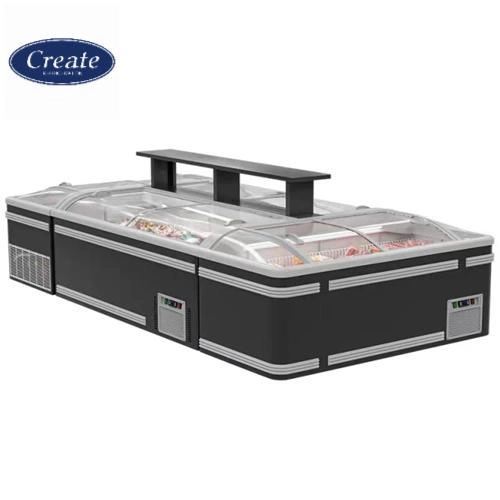
Units that can switch between chilling and freezing give options for places needing both in one spot. However, their extra features push the price to the top range. A good case in point is the Supermarket Combined Island Freezer Commercial Cabinet Freezer. It has adjustable display areas and tech that changes speed for up to 55% less energy use.
How Do Manufacturing Origin and Brand Positioning Impact Price?
Well-known makers with support teams around the world can charge more, and they back this up with solid track records, wide help networks, and approvals like CE or UL. Units made closer to home might save money upfront, but they could miss out on steady quality checks or full warranties over time.
Even so, certain providers mix good value with dependability nicely. Shandong Create Refrigeration Co., Ltd. stands as China’s top all-in-one buyer spot for supermarket setups and big projects. They focus on making supermarket cooling systems through OEM/ODM, with approvals like CE/CB/ETL/ISO, and ship to many places worldwide.
Which Advanced Features Contribute Most to High-End Pricing?
As tech changes how we handle cooling, tools like checking temperatures from afar through phone apps or online panels are catching on. These let you watch conditions live, and they also warn about issues before they grow. This is huge for chains with sites in different spots. Sure, they bump up the starting cost. But in the end, they cut down on breakdowns and help meet safety rules for food better.
How Does Retail Branding Customization Affect Price Points?
Coolers you can tweak for your store’s look are getting popular. Choices like sticking on vinyl covers or printing logos on sides, changing light colors on shelves, or adding signs build in extra steps to make. That raises the cost. Yet, they pay off in marketing wins.
What Is the Cost Implication of Regional Regulatory Compliance?
Coolers that follow NSF/ANSI rules for safe food use certain materials and surfaces that stop germs from growing. Think stainless steel insides and parts easy to wipe clean, and these match health rules in many areas. Plus, local power laws, like those from DOE in the U.S. or Ecodesign in the EU, force the use of things like digital controls or top-efficiency compressors.
How Does Use Case Influence the Ideal Cooler Configuration?
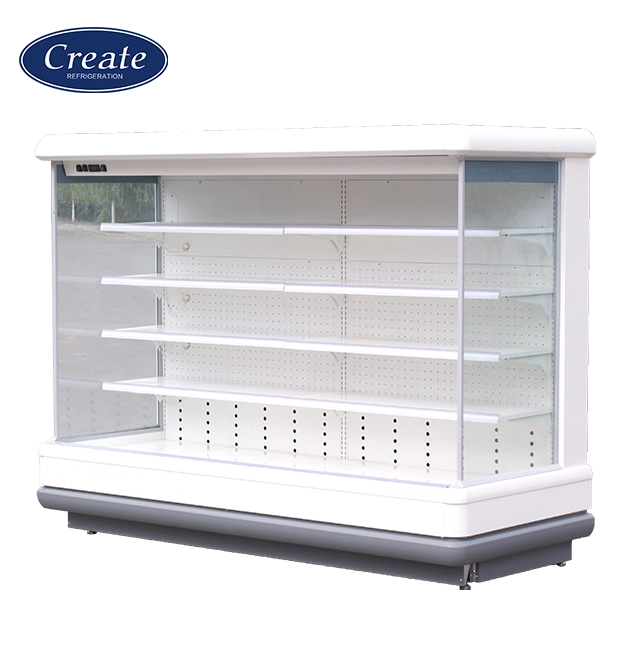
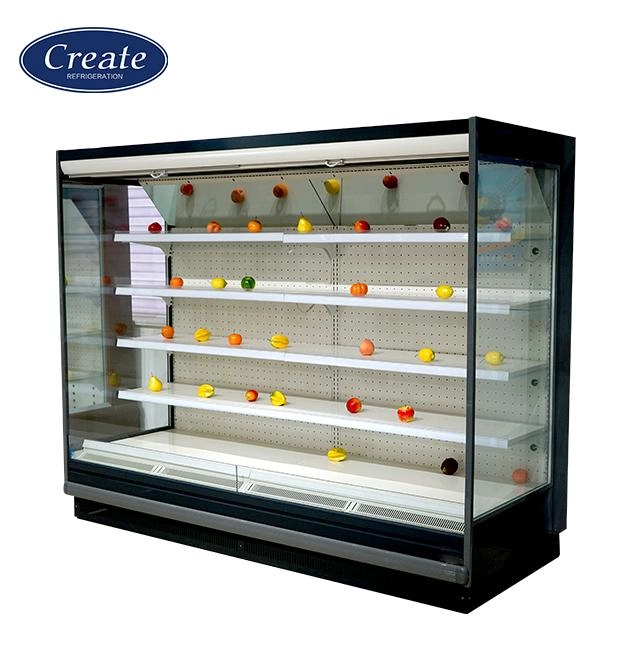
Different fields call for their own styles. Quick-stop shops like slim units with clear doors for easy grabs. Big grocery places need roomy multi-level ones for lots of stock and clear views, such as the Supermarket Multideck Open Chiller, which works well for showing fresh items or milk products. In foodservice, the focus is on real work: quick bounce-back from use, steady cold levels, and easy reach. So, tough fan-cooled types with auto-defrost shine, even if they ask more money.
Why Is Create Refrigeration a Preferred Supplier for 30-Inch Commercial Coolers?
Create Refrigeration excels in custom ODM/OEM work for business cooling gear across the globe. With more than 25 years in the field and nods like CE, ETL, UL, RoHS, and ISO, they supply ready-made units and special builds for stores, eateries, and sellers everywhere.
We put effort into safe, power-saving, and green methods when building commercial fridges. Our goal is to boost product worth through eco-tech at Create Refrigeration. Selling straight from the factory cuts out the middle steps in costs. At the same time, we hold tight to quality from start to setup help. Our goods move fast in North and South America, Southeast Asia, Australia, Europe, the Middle East, and beyond. This makes us a steady choice no matter where your business sits.
Summary of Price Variance Drivers in 30-Inch Commercial Coolers
The reasons costs vary in 30-inch commercial coolers come from how well compressors work, the cooling setup, energy stamps, strong materials, flexible inside plans, rule-following, brand tweaks, smart add-ons, and even the build location. When picking, shoppers ought to look at what fits their exact needs. They should not just eye the lowest tag.
FAQ
Q1: What is the average price range for a 30-inch commercial cooler?
A1: Prices typically range from $800 to $2,500, depending on whether the unit is a chiller or freezer model, its energy efficiency rating, construction materials, brand reputation, and feature set.
Q2: How does energy efficiency affect long-term ownership costs?
A2: More efficient models may have higher upfront costs but significantly reduce electricity expenses over time—especially important for businesses operating coolers 24/7.
Q3: Can Create Refrigeration customize commercial coolers for specific branding needs?
A3: Yes. Create Refrigeration offers customization services, including branded exteriors, shelf configurations, lighting options, and even OEM/ODM manufacturing solutions tailored to client requirements.