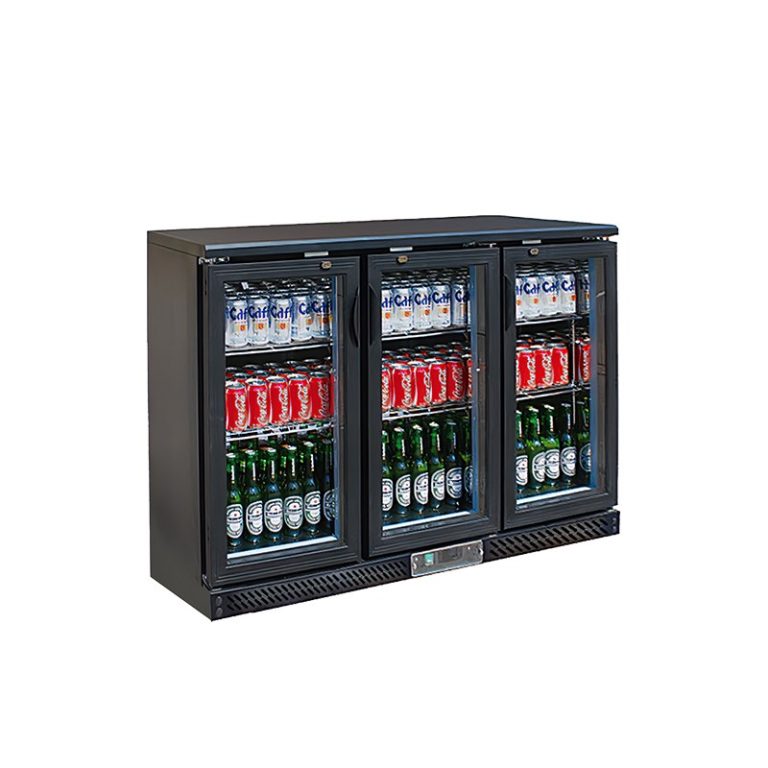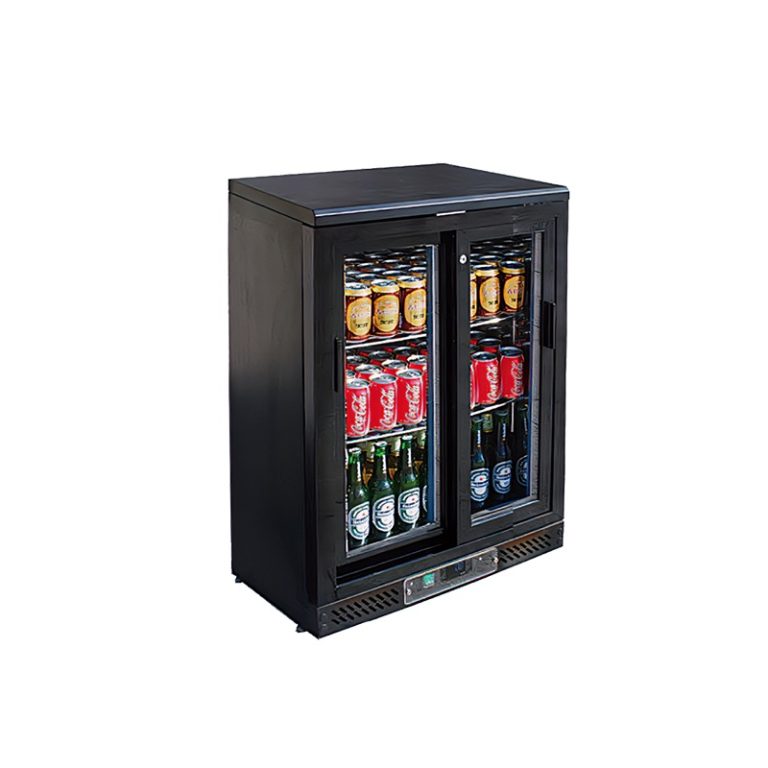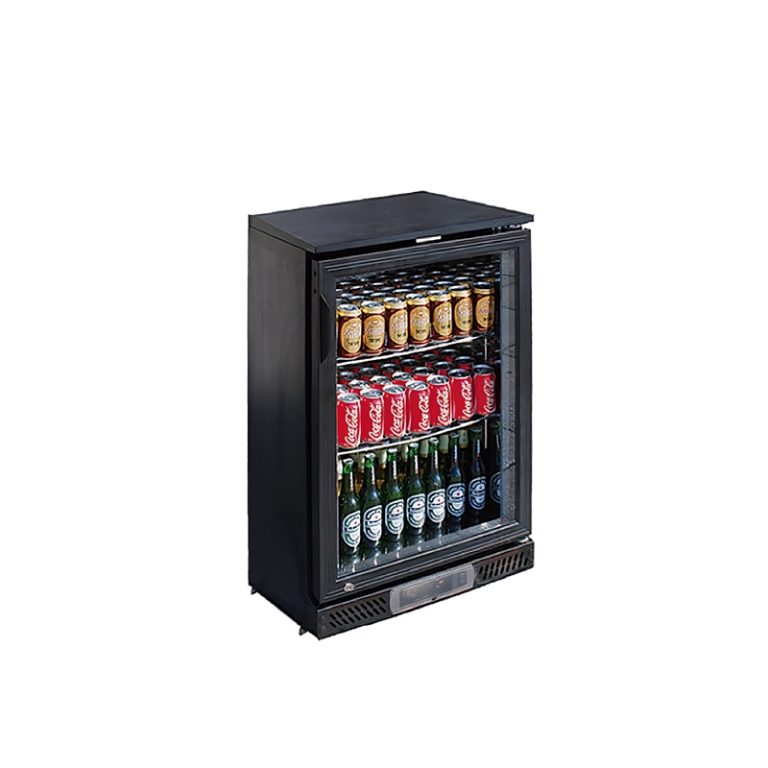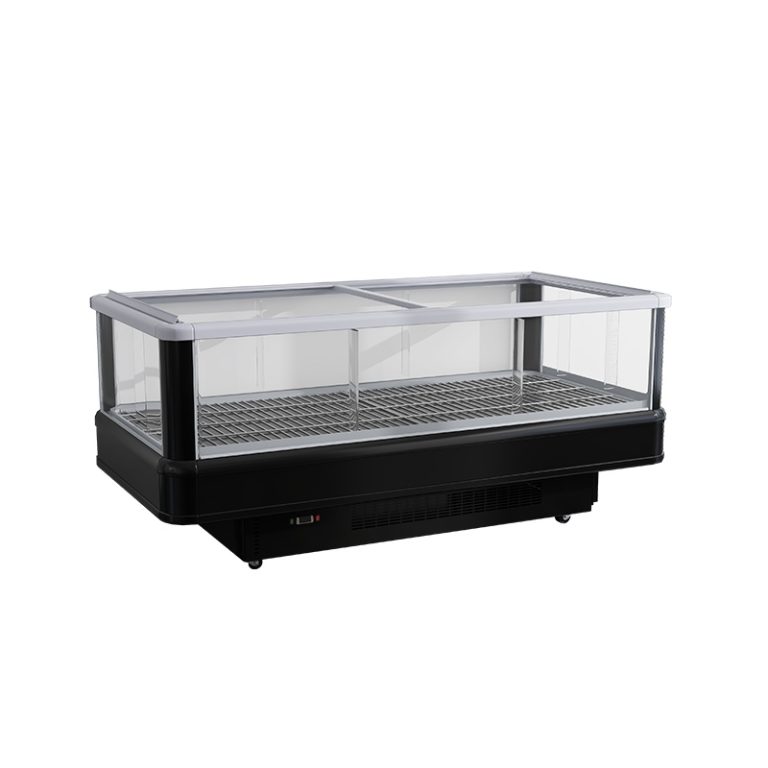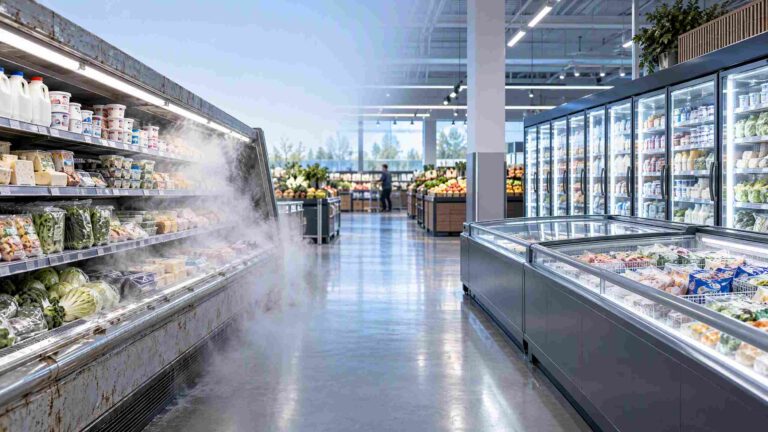
An open display cabinet earns its place by selling quickly. Beverages, dairy, packaged snacks, leafy greens, and grab-and-go items move through it every day. As supermarket refrigeration equipment, it must balance access with temperature control. When the air path is stable, the cabinet works hard without demanding a remote refrigeration plant. When the air path is poor, the store pays for it in warm product, dry leaves, and long compressor cycles.
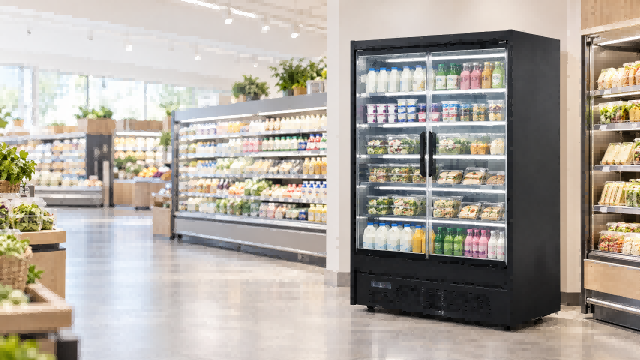
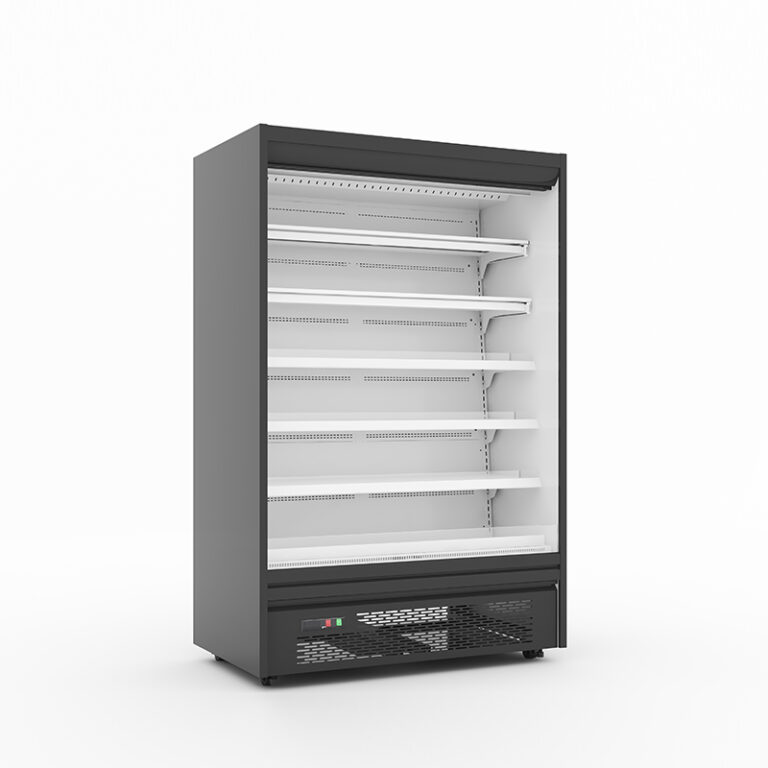
The Plug-In Floor-Standing Open Air Curtain Chiller from CREATE Refrigerator is built for that frontline retail job. It is a self-contained, multi-deck unit for stores that need visible product access and fast deployment. The cabinet plugs into the site supply. No field-brazed refrigerant circuit. No new remote condensing rack.
Direct factory specifications and CAD floor-layout planning are available from www.createrefrigeration.com. Buyers should send the aisle width, ambient conditions, product mix, electrical supply, and delivery access before approving a configuration.
Where the Open Chiller Works Best
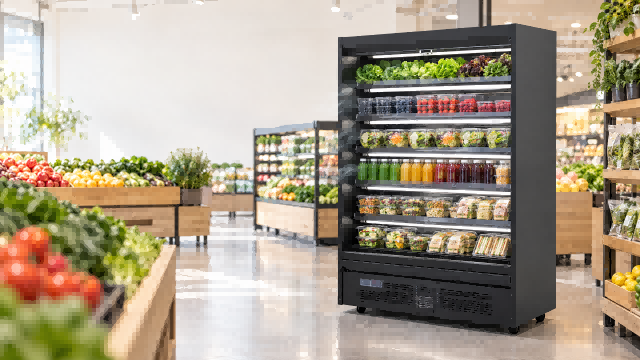
An open self-contained supermarket cooling showcase suits high-turnover beverage and grab-and-go aisles. Customers can reach the front row without opening a door. Staff can replenish several tiers quickly. A low-front base keeps the display approachable while preserving useful internal volume.
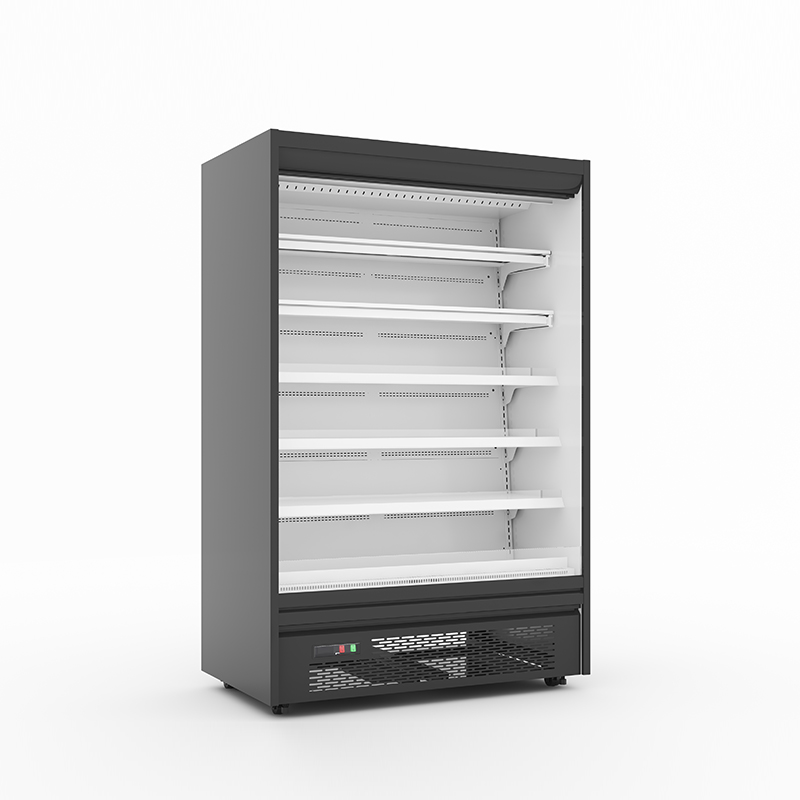
This is not the right cabinet for every product. An open face is sensitive to room drafts, entrance doors, HVAC registers, and overloading. A perimeter wall with stable room air is usually easier to manage than a position beside a loading door. Floor placement is refrigeration design.
Retailers comparing refrigerators for supermarket projects should separate access from temperature containment. An open cabinet can improve impulse sales and reduce door-pull labor. A closed cabinet can limit infiltration. The correct choice depends on product turnover, aisle traffic, humidity, and the store’s service routine.
Produce Preservation and Airflow Aerodynamics
Configured correctly, the multi-deck unit can serve as a dedicated vegetable refrigerator for supermarkets. Leafy greens, berries, herbs, and cut produce need cold air without a drying blast. The discharge screen should straighten airflow into a consistent curtain across the opening rather than creating turbulent jets at one shelf.
The honeycomb air discharge helps form that even sheet of air. A gentle laminar flow in the approximate 0.2–0.4 m/s range at the product zone is a useful starting point for moisture-sensitive produce, subject to cabinet geometry, room humidity, loading height, and the required holding temperature. Too little air creates warm pockets. Too much air pulls moisture from delicate skins.
The createrefrigeration engineering approach balances discharge and return paths across the shelves. Staff still need to respect the load line. Do not push bags against the rear duct. Do not stack trays across the return opening. An overloaded supermarket chiller can show an acceptable average temperature while the top row warms and the front leaves lose moisture.
Inspect the product, not only the controller. Check lettuce edges, berry firmness, herb appearance, and cut-fruit surfaces after a busy service period. The air curtain should preserve presentation without building frost at the discharge or return path.
Open Chiller Versus Closed and Frozen Layouts
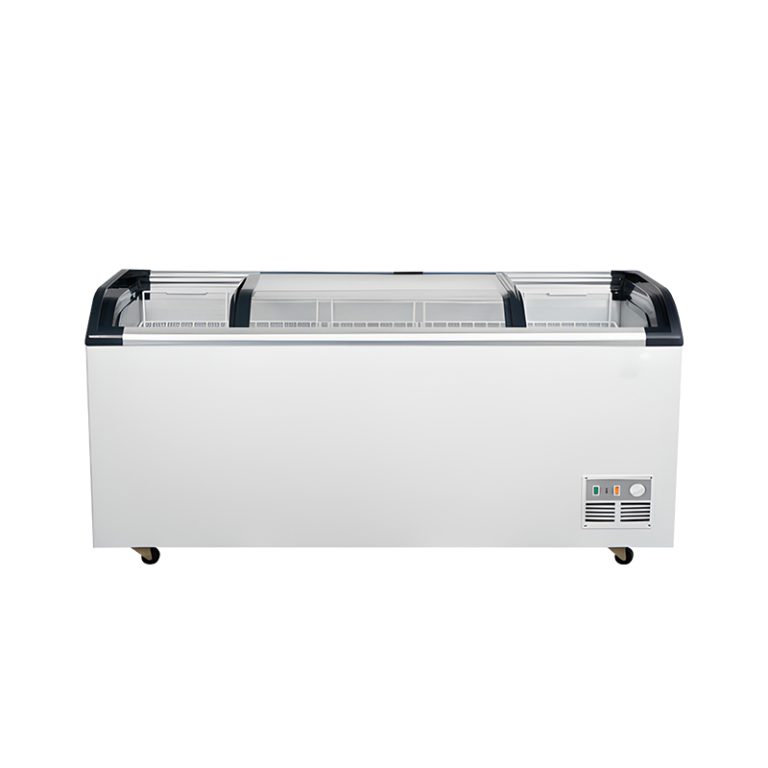
A refrigeration equipment supermarket plan often combines several cabinet types. The open chiller handles fast-selling produce, dairy, beverages, and ready-to-grab items. Closed doors suit products that need stronger thermal containment or less frequent access. A sub-zero supermarket display freezer protects frozen meat, ice cream, and other low-temperature lines under a different operating load.
The open cabinet is not a replacement for all freezers for supermarket applications. It is a merchandising tool for products that benefit from immediate access and high visual exposure. A central frozen-food bank needs different insulation, defrost, loading, and temperature controls.
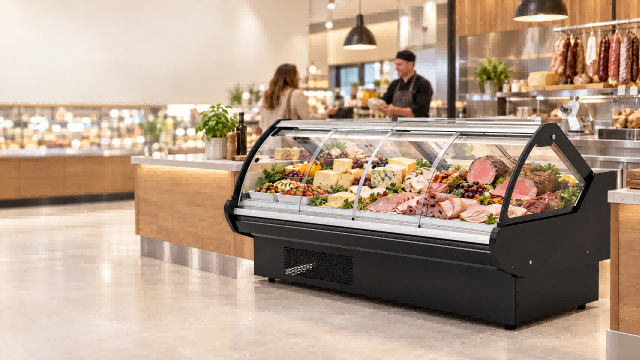
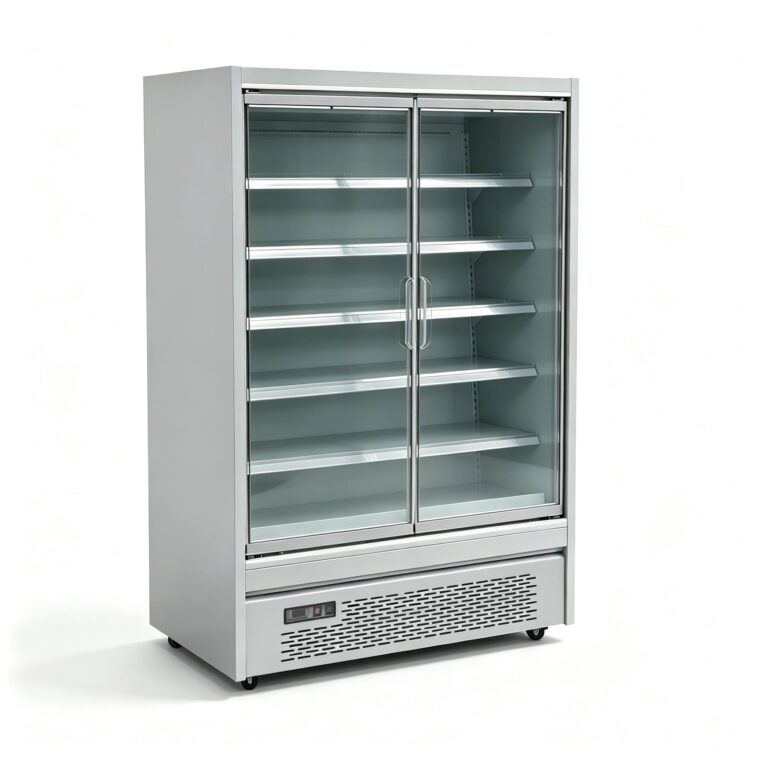
A supermarket cooling showcase also behaves differently from a glass-door refrigerator. It must maintain an air curtain against room air rather than relying on a physical door barrier. Cross-drafts matter more. So do night blinds, shelf loading, and the location of the condenser discharge.
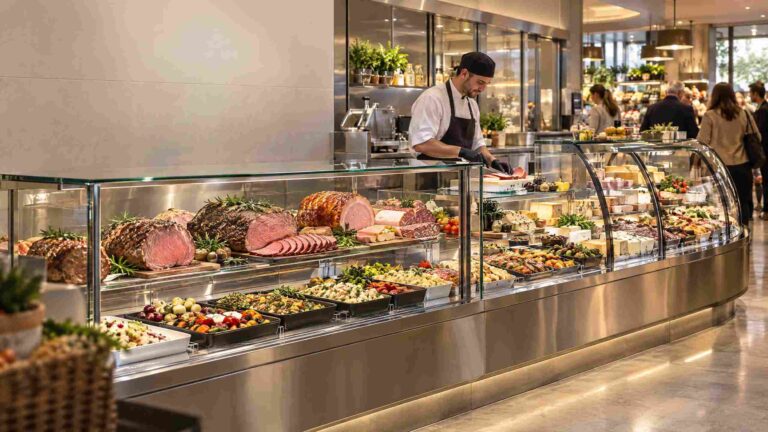
For a mixed store, map the equipment by function. Use the open chiller where turnover justifies access. Use closed equipment where infiltration would dominate the energy load. Use low-temperature equipment for frozen stock. The layout should show customer reach, replenishment routes, service clearance, and the expected product temperature at each position.
Plug-In Mechanical Simplicity and ROI
The commercial advantage is immediate. A built-in monoblock condensing unit avoids on-site refrigerant piping installation. The store does not need a contractor to braze a remote circuit, evacuate long pipe runs, or charge a field-assembled system before the cabinet can open for sale.
That does not mean installation is careless. The cabinet still needs the correct circuit, ventilation clearance, a level floor, and service access. The condenser rejects heat into the room, so avoid trapping the discharge behind another fixture. Confirm the voltage, frequency, plug, breaker, and ambient rating before shipment.
A night curtain can reduce the open-face heat load after closing. It limits room-air exchange while the store is empty and can reduce compressor work overnight. Staff must clean the curtain track, check the bottom seal, and close it fully. A torn blind is a constant leak.
The buyer should evaluate supermarket refrigerator price against the installed operating cost. Compressor brand matters. Secop and Embraco are common reference options, but the exact model, refrigerant, capacity, and service availability should be documented. R290 compliance can affect component selection, safety documentation, training, and destination-market approval. Night-blind power savings and local electricity rates also change the return.
A low purchase price is not a low five-year cost if the cabinet is hard to service or spare parts take months to arrive. Ask for the compressor model, controller, fan motor, refrigerant charge, electrical data, and recommended spares before placing the order.
Lighting, Shelves, and Daily Merchandising
Adjustable angled shelves support a waterfall presentation for bottles, cartons, fruit trays, and packaged foods. Integrated price-label channels keep information aligned and reduce loose tags in the customer zone. Shelf pitch should leave the discharge and return paths open.
High-CRI vertical or shelf lighting improves package readability and helps staff spot quality problems. It should not create harsh glare or unnecessary heat on front-row product. Brightness must work with the glass, aisle lighting, and the actual product colors.
The reinforced chassis is intended for repeated restocking and commercial floor handling. Check the caster or leveling-foot specification where the cabinet will be moved during a store refit. A unit that is stable after positioning is easier to clean and less likely to transmit vibration through the floor.
The term refrigerator supermarket is often used loosely in export enquiries, but the equipment schedule should be precise. State whether the cabinet is an open multi-deck chiller, a closed-door medium-temperature case, or a low-temperature freezer. Those categories have different performance and installation requirements.
Heavy-Duty Export Engineering
For containerized shipping, the cabinet needs seaworthy plywood packing with protection around the honeycomb discharge, shelves, lighting, control area, and compressor section. Glass and trim should be blocked against movement. Loose accessories should be labelled by cabinet and position.
The crate plan should include gross weight, dimensions, unloading orientation, and the sequence for removing panels. Buyers should measure the receiving door, dock, lift-gate access, pallet-jack turning radius, and finished-floor route. A cabinet that fits the sales floor can still fail at the back door.
CREATE Refrigerator projects should also confirm destination voltage, frequency, refrigerant rules, local electrical certification, and spare-parts support. Factory testing should record pull-down, operating temperature, current draw, defrost behavior where applicable, airflow, and night-curtain operation.
Four-Row Technical Specifications Summary
| Area | Typical Plug-In Open Air Curtain Configuration | Operating Benefit | Buyer Check |
| Air distribution | Multi-deck honeycomb discharge with controlled low-velocity air curtain | Limits room-air infiltration while reducing drying of greens and berries | Check aisle drafts, loading height, discharge velocity, and return-air clearance |
| Refrigeration package | Self-contained monoblock condensing unit with no on-site refrigerant piping | Faster installation and lower site disruption than a remote circuit | Verify compressor model, refrigerant, capacity, voltage, frequency, and service access |
| Merchandising hardware | Adjustable angled shelves, integrated price-label channels, reinforced chassis, high-CRI lighting | Supports visible product presentation, quick replenishment, and stable shelf use | Confirm shelf load, lighting position, aisle reach, casters, and leveling feet |
| Drainage and export | Self-evaporating drain system, night curtain option, seaworthy plywood packing | Reduces normal external drain work and protects the cabinet during container transport | Confirm ambient rating, condensate path, crate size, unloading route, and spare parts |
Engineer-to-Buyer Closing
Buy the open cabinet for the aisle it will actually serve. Measure the room draft. Check the product temperature at the top and bottom shelves. Test the night curtain. Leave the condenser enough room to reject heat.
For direct factory specifications, CAD planning, cabinet configuration, and an equipment quotation, send the store drawing and product list to createrefrigeration through www.createrefrigeration.com. The right open chiller is the one that keeps the front row accessible, the greens presentable, and the store ready for the next delivery.