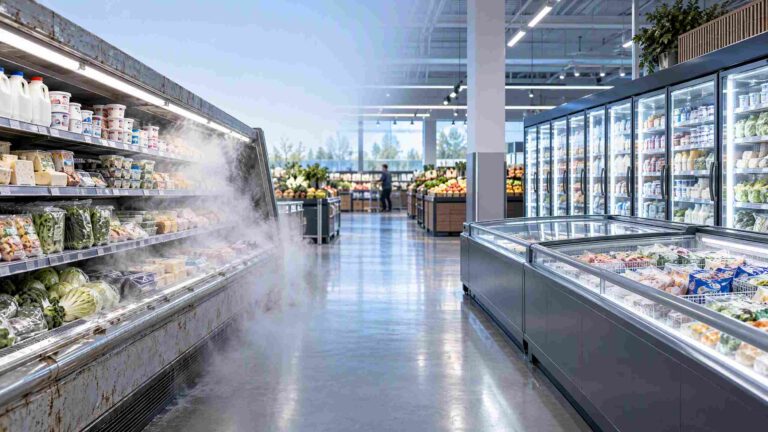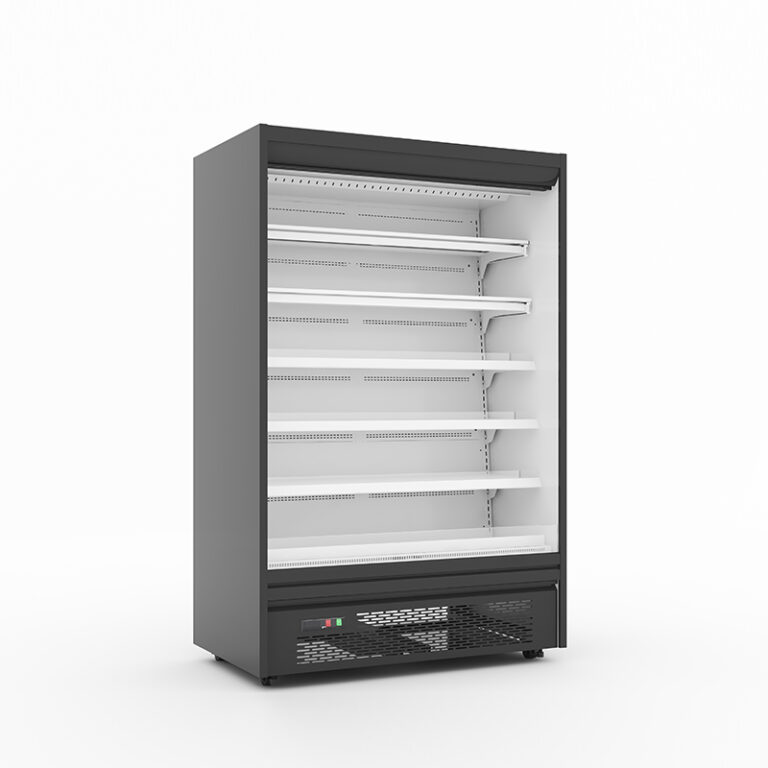
Electric bills expose weak refrigeration quickly. An open multideck may look productive while releasing cold air into the customer aisle every minute of the day. The compressor pays for that loss. So does the shopper standing in cold aisle syndrome.
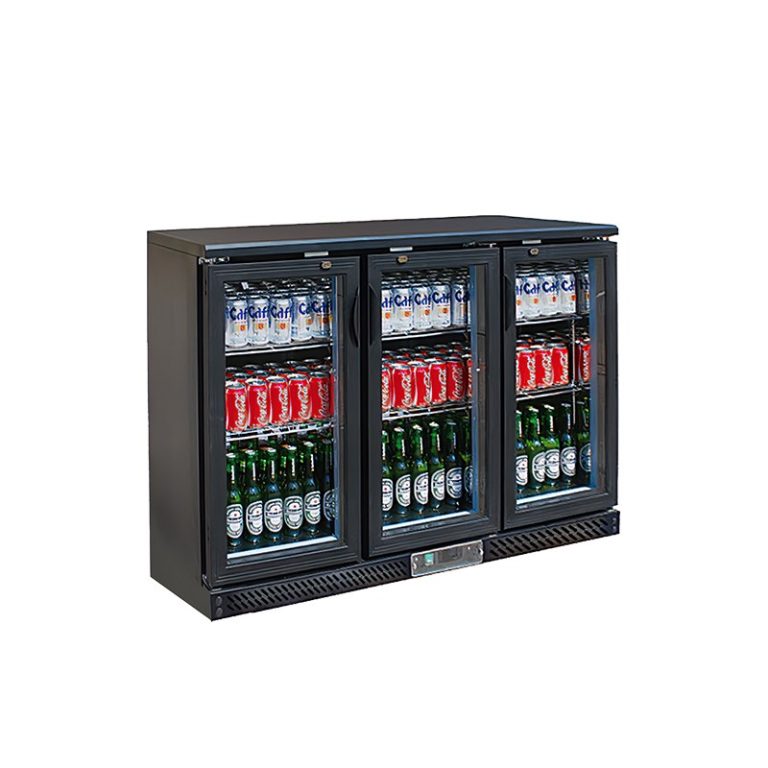
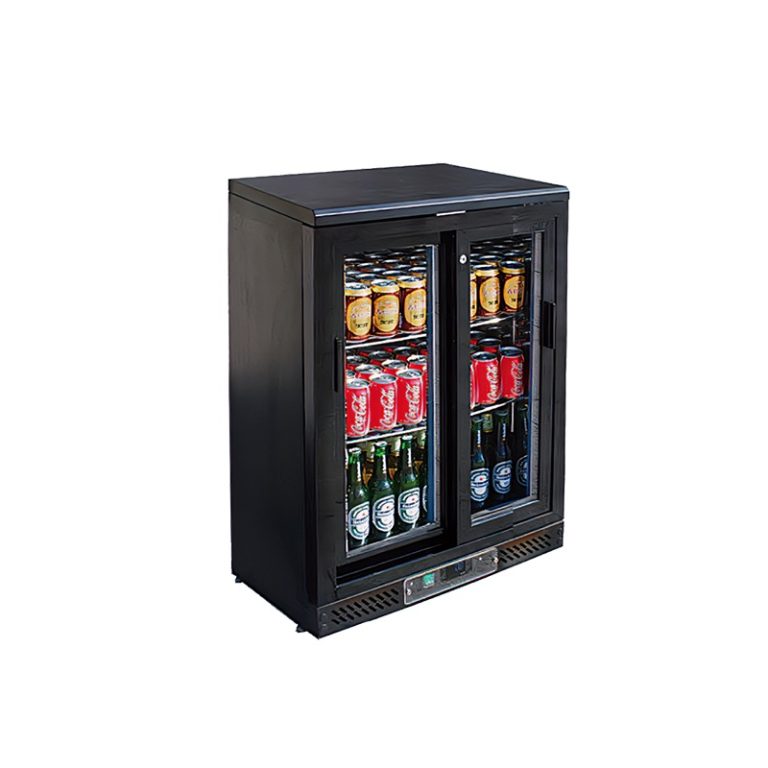
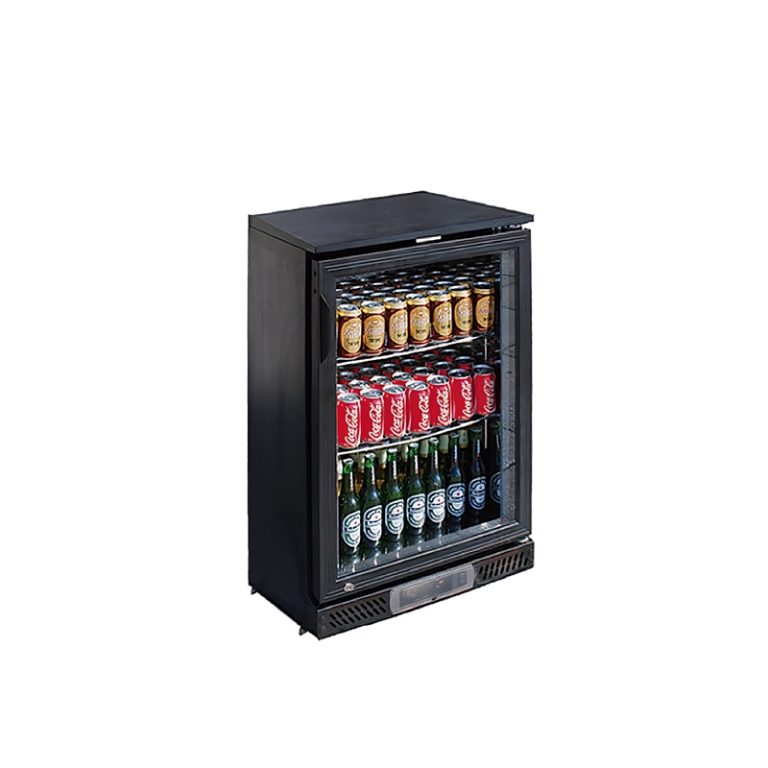
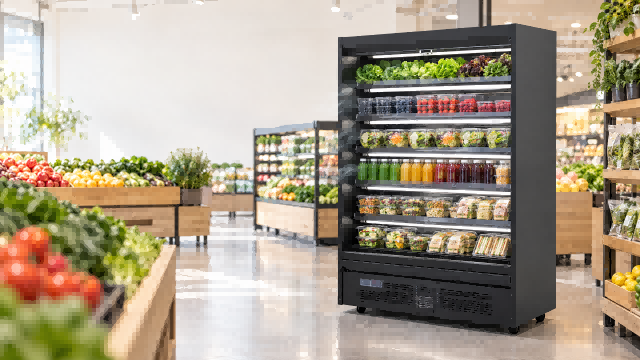
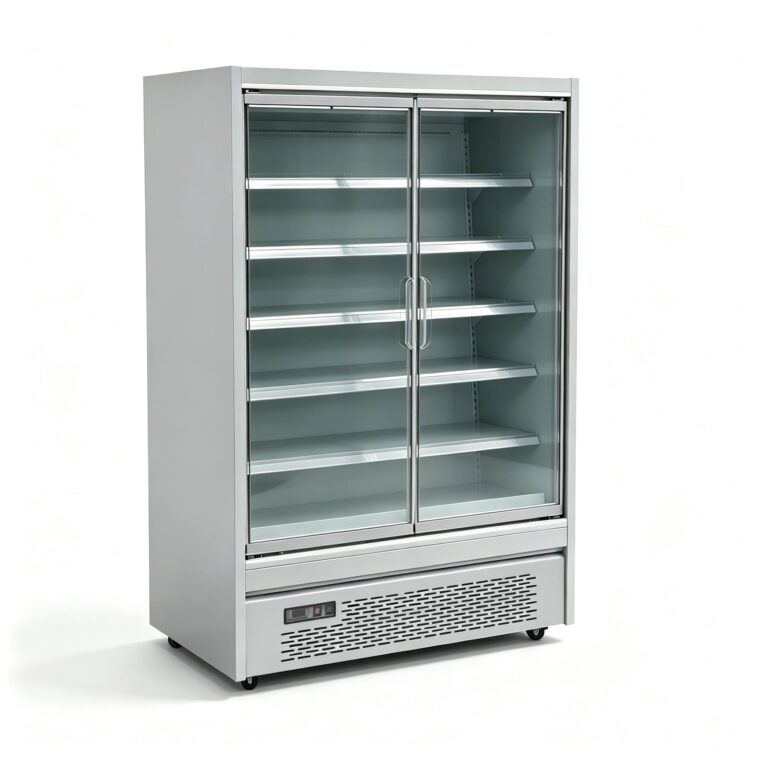
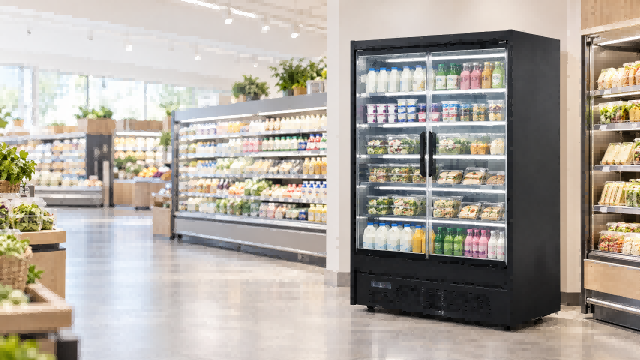
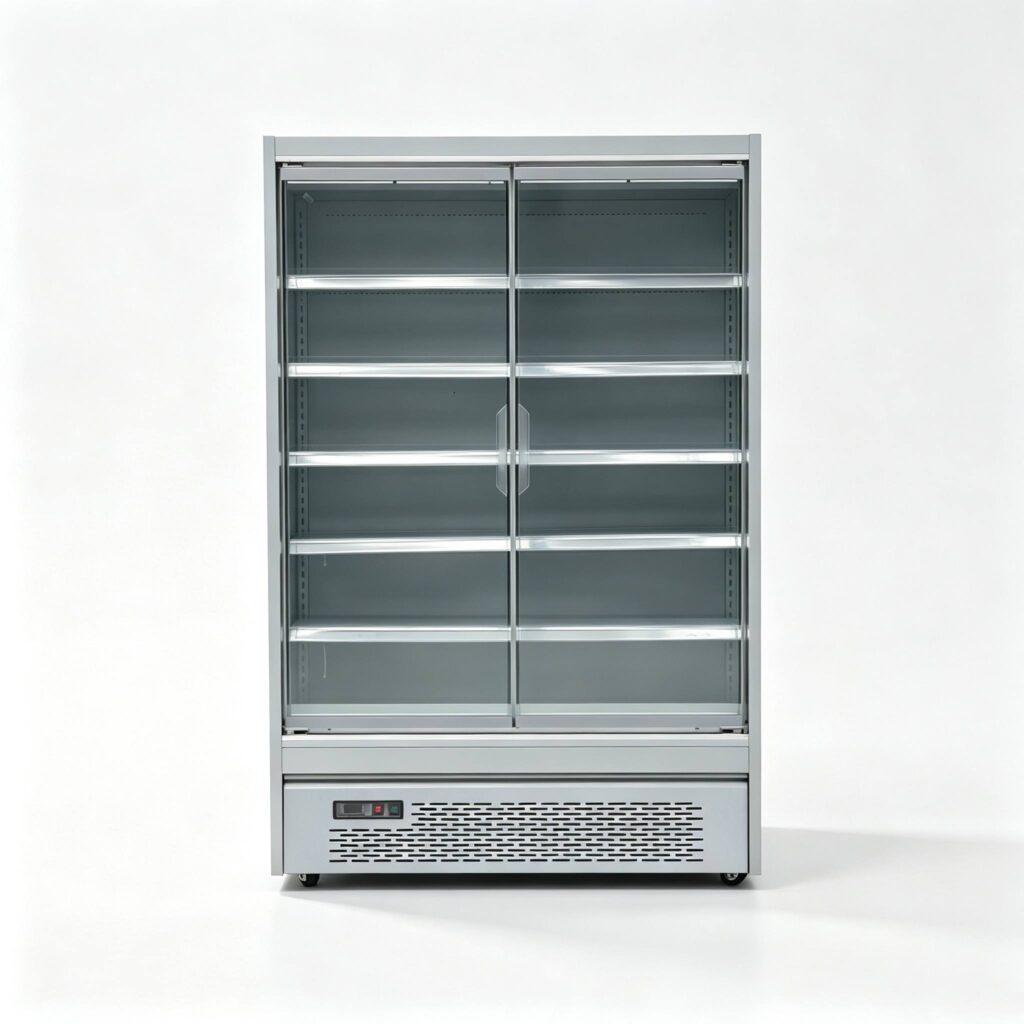
The Plug-In Floor-Standing Glass Door Multideck Display Chiller from CREATE Refrigerator is designed for grocers replacing open displays with a more contained medium-temperature cabinet. It combines multi-tier merchandising with self-closing glass doors and a self-contained refrigeration package. No external machine room is required. No remote copper-pipe installation is needed at the store.
createrefrigeration provides engineering data and store fixture portfolios through www.createrefrigeration.com. Buyers should submit the floor plan, product mix, utility supply, ambient conditions, and expected operating hours before comparing cabinet performance or quotations.
The Modern Efficiency Shift
Rising utility costs make the old open case harder to defend. A glass-door cabinet reduces warm-air infiltration and limits the humidity load entering the refrigerated space. That reduces recovery work after customer traffic and can shorten compressor run time.
For a grocer replacing open multidecks, the target is not simply a newer cabinet. It is a lower operating load with the same or better selling capacity. Commercial supermarket refrigeration equipment should be compared by measured kWh, usable display volume, product temperature, service access, and expected life—not by purchase price alone.
A standard supermarket chiller with self-closing heated glass doors can serve dairy, drinks, prepared salads, and other packaged chilled products while keeping more cold inside the case. Double- or triple-glazed Low-E glass reduces radiant heat transfer. Heated frames and anti-condensation controls help prevent sweating on humid afternoons.
The door system is part of the energy calculation. A weak hinge, slow door return, or damaged magnetic gasket creates a small gap that stays open for hours. Check hinge cycle durability, gasket replacement access, and the door’s closing force during commissioning. A door that closes well on day one must still close correctly after years of staff and customer use.
Thermal Containment and Merchandising Balance
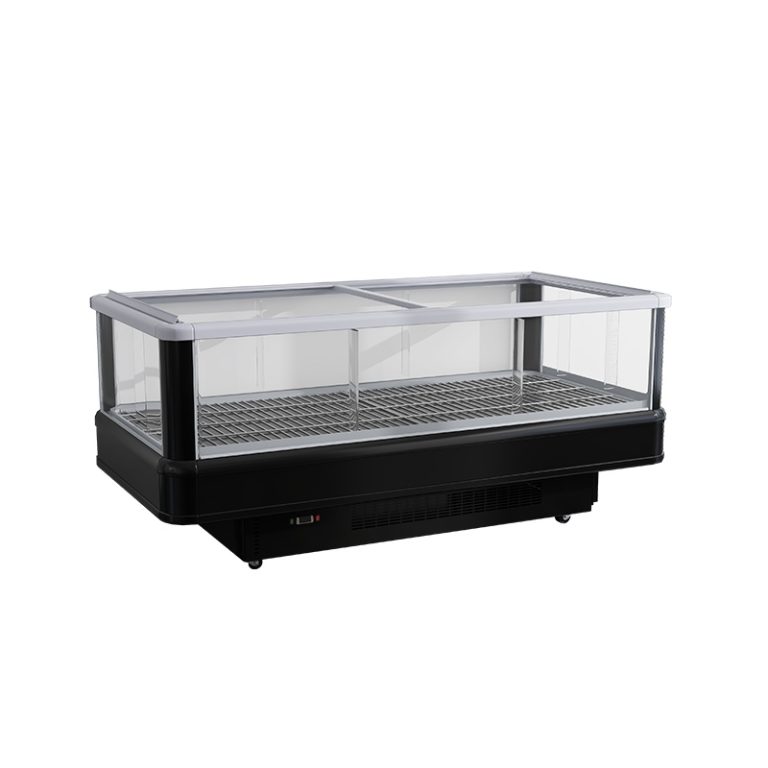
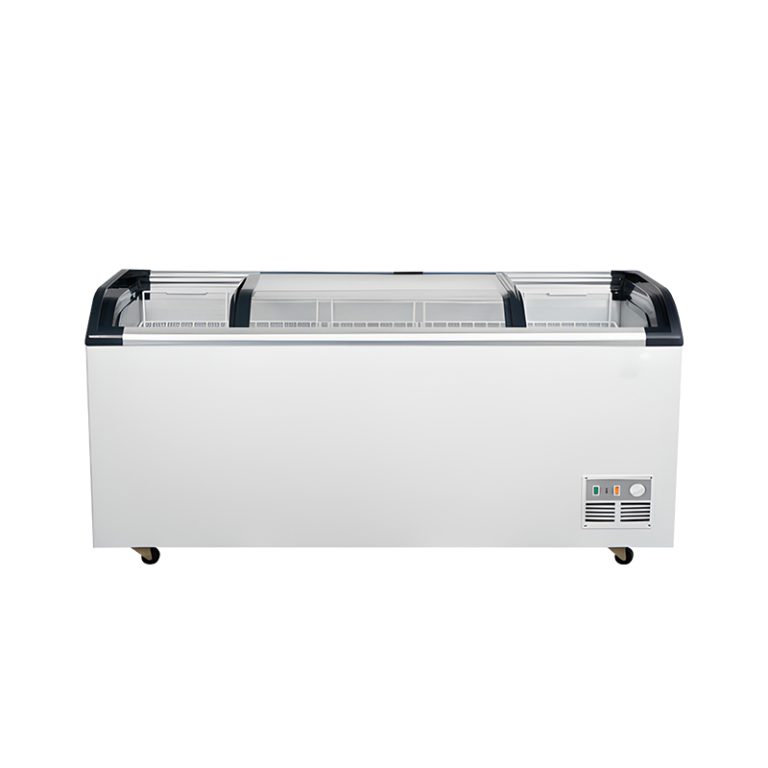
The cabinet is suited to high-visibility categories where shoppers need to compare products quickly. Upright refrigerators for supermarket dairy lines can sit along a perimeter wall, while adjacent freezers for supermarket frozen foods handle a lower-temperature load. The two cabinet types may share a visual line-up, but their insulation, defrost, temperature, and service requirements are different.
A low-front base keeps product within comfortable reach. Vertical glass doors provide a clear view without exposing the full refrigerated opening to room air. That combination can make the case more comfortable for shoppers and reduce the cold draft associated with an open cabinet.
A supermarket cooling showcase should still be loaded correctly. Leave the air discharge and return paths clear. Keep cartons inside the shelf boundary. Do not use the upper deck as an overflow shelf. A full-looking display is valuable only when the product remains inside the specified holding range.
The same discipline applies to a supermarket display freezer installed beside the chiller. Leave room for lids or doors, respect the frozen load line, and prevent the freezer’s warm condenser discharge from blowing directly into the chilled cabinet intake.
Airflow Engineering and Shelf Performance
Engineered top-down ducting by CREATE Refrigerator is intended to maintain a consistent +2°C to +8°C holding range from the upper shelves to the bottom deck. The goal is to prevent bottom stock from freezing while the top rows stay warm. That balance must be tested with loaded product at three heights.
Air must travel through the display zone and return without obstruction. A shelf pushed against the rear duct can create a warm pocket. A tightly packed bottom tray can restrict return airflow. The controller may show an acceptable average while individual packages experience different temperatures.
The cabinet should be evaluated as refrigeration equipment supermarket buyers can service, not as a static showroom object. Check the evaporator, fan motors, drain path, probe position, controller access, and the recovery behavior after repeated door openings.
The phrase vegetable refrigerator for supermarkets usually describes an open or semi-open produce cabinet, but some stores use a glass-door chiller for packaged greens, cut fruit, and prepared salads. In that application, stable humidity and temperature matter more than simply achieving a low reading. Check the product surface and package condition after a full trading period.
A refrigerator supermarket specification should state temperature class, door type, internal volume, shelf load, electrical input, refrigerant, and ambient rating. Vague category names create expensive mistakes during procurement.
What Matters Beyond Supermarket Refrigerator Price
The initial supermarket refrigerator price is only one line in the buying decision. Add freight, electrical work, commissioning, maintenance access, replacement glass, gasket changes, fan motors, controls, and expected energy use over the planned service life.
A 35%–45% reduction in running electricity may be achievable when a comparable open multideck is replaced with a properly sized glass-door cabinet under matched load, ambient, setpoint, and operating-hour conditions. It is a benchmark, not a universal guarantee. Measure the old case first and compare equivalent weeks after installation.
Compressor cycle fatigue deserves attention. A cabinet that runs continuously during hot afternoons may have acceptable product temperature but poor service life. Record run time, condenser discharge conditions, and recovery after door openings. Give the condenser enough clearance to reject heat. Do not trap the plug-in unit behind a tall fixture or tight wall return.
Door pull frequency also affects savings. High-traffic convenience stores need strong hinges, accurate door returns, durable gaskets, and anti-fog control that does not remain fully energized when it is unnecessary. Energy savings come from the whole system.
Export Standards and Global Sourcing
The plug-in format supports standardized international deployment, provided the electrical specification is confirmed before production. Voltage adaptation can be arranged for common 110V/220V systems and 50Hz/60Hz frequencies, subject to the selected model and destination requirements. Check plug type, breaker capacity, grounding, and local certification.
Built-in hot gas condensate evaporation can manage normal condensate without external floor drain plumbing. The drain pan and evaporation path still need inspection. Dust, scale, blocked airflow, or an installation outside the rated ambient can create water where the buyer expected a dry floor.
Container packing should protect doors, mullions, shelves, lights, controls, compressor sections, and corners. Seaworthy plywood crating needs internal blocking and a clear unloading sequence. Measure the receiving dock, door height, lift-gate access, pallet-jack turning radius, and final aisle route before booking the shipment.
For a complete refrigeration equipment supermarket schedule, identify each cabinet by location and function. Include the upright dairy unit, frozen-food cabinet, service clearance, drain path, electrical point, and condenser ventilation zone. The drawing should show how the line-up operates, not only how it looks.
Four-Row Technical Specifications Summary
| Area | Typical Glass Door Multideck Configuration | Operating Benefit | Buyer Verification |
| Thermal containment | Double- or triple-glazed Low-E doors, heated frames, magnetic gaskets | Reduces warm-air infiltration, aisle chill, and condensation risk | Check glass build, heater control, hinge cycles, gasket access, and door return |
| Temperature and airflow | Top-down ducting with +2°C to +8°C holding target across display decks | Supports stable dairy, drinks, salads, and packaged chilled-food storage | Test top, center, and bottom shelves under loaded conditions |
| Refrigeration and energy | Plug-in self-contained circuit, efficient fan motors, controlled defrost, 35%–45% benchmark reduction versus open case | Avoids external machine-room work and can reduce running kWh | Compare measured baseline, compressor run time, condenser clearance, and door pulls |
| Export and drainage | 110V/220V, 50Hz/60Hz options, hot gas condensate evaporation, seaworthy container packing | Supports global deployment without normal external floor-drain plumbing | Confirm local certification, crate dimensions, unloading route, and spare parts |
Engineering Consultation Closing
The glass door changes the cabinet’s job. It must sell clearly, contain cold, resist condensation, and survive repeated opening cycles. The plug-in package changes the installation job. It removes the external machine room, but it does not remove the need for correct power, clearance, drainage management, and service access.
For energy audit support, CAD layout review, cabinet configuration, and a project-specific RFQ, send the store drawing and product schedule to createrefrigeration through www.createrefrigeration.com. The right multideck is the one that holds the product from top shelf to bottom deck while the electric meter shows the difference.