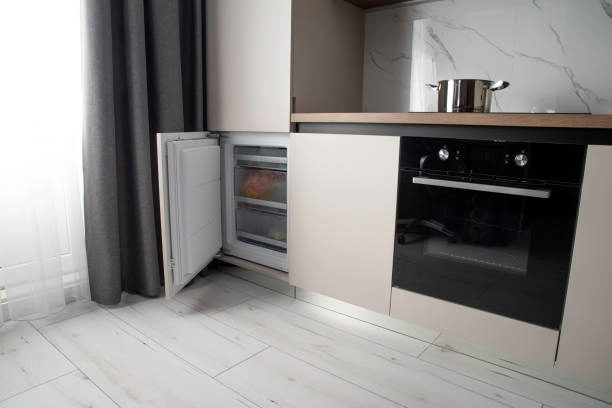
An undercounter refrigerator is a small refrigeration device made to fit neatly under countertops, which offers effective cold storage without taking up too much floor area. People use these refrigerators in both business and home settings. You often find them in bars, cafes, restaurants, and up-to-date kitchens. In such places, saving space matters a lot. They usually act as extra storage for drinks, fresh foods, or items ready to serve. And they keep everything close at hand.
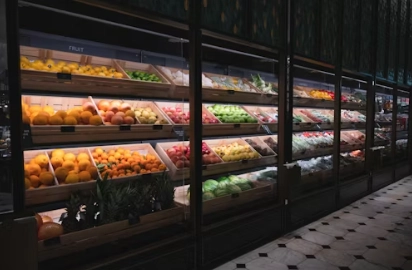
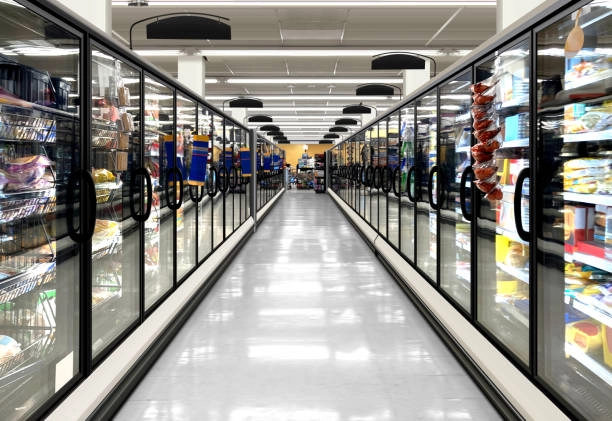
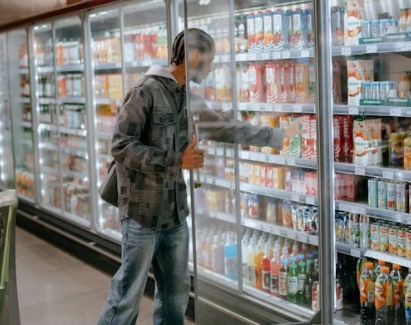
In business spots like supermarkets or small shops, these units work alongside bigger refrigeration setups, and they provide more cooling areas for products that people often grab. In home kitchens, undercounter refrigerators boost how smoothly tasks flow. Users can keep key items near spots for cooking or prepping food, and this setup makes daily work easier.
Key Benefits
The main plus of an undercounter refrigerator is its design, which saves space. It makes the most of the floor while delivering the same cooling strength as bigger models, which helps small food businesses or tight living areas a great deal. Plus, its handy position improves how easy it is to reach things. People avoid bending too much or opening big doors that slow down movement in the kitchen.
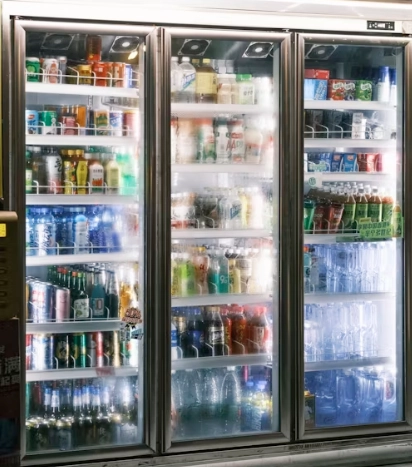
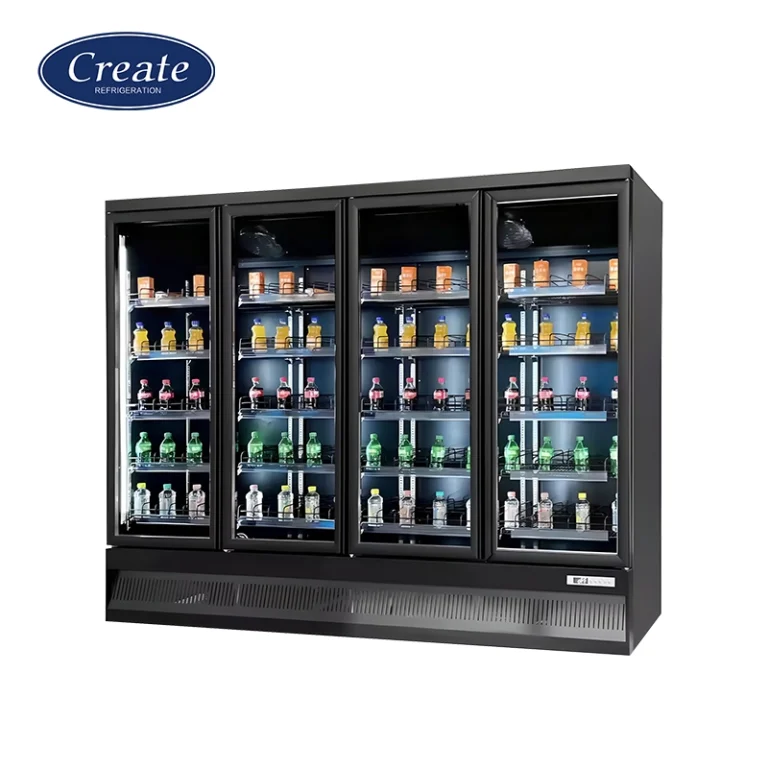
Newer versions include options like shelves you can adjust and controls for temperature that use digital displays. These features make the units useful in many situations. For example, our Glass Door Freezer & Cooler mixes clear views with strong performance, which works well for showing drinks and grabbing them fast in small areas.
Factors to Consider When Choosing an Undercounter Refrigerator
Before you buy an undercounter refrigerator, think about several key points. This way, you ensure it works well and lasts a long time.
Size and Capacity Requirements
Start by checking the exact space under your counter, and these are built-in units, so exact sizes avoid problems with air flow or setup. Pick a capacity that matches what you plan to store. It could be drinks in a bar or fresh items in a kitchen work area. Businesses often like setups that let them add more units as needs grow.
Energy Efficiency Considerations
Saving energy cuts costs in the long run. Many units now use green coolants like R290. They also have better insulation that lowers power use. At the same time, they keep temperatures steady. By choosing the leading brand inverter compressor that experts recognize, we make sure products run more efficiently. They perform reliably and can reduce electricity costs by up to 50% in just one year. Look for appliances with Energy Star labels. These meet tough global rules for saving energy.
Temperature Control Features
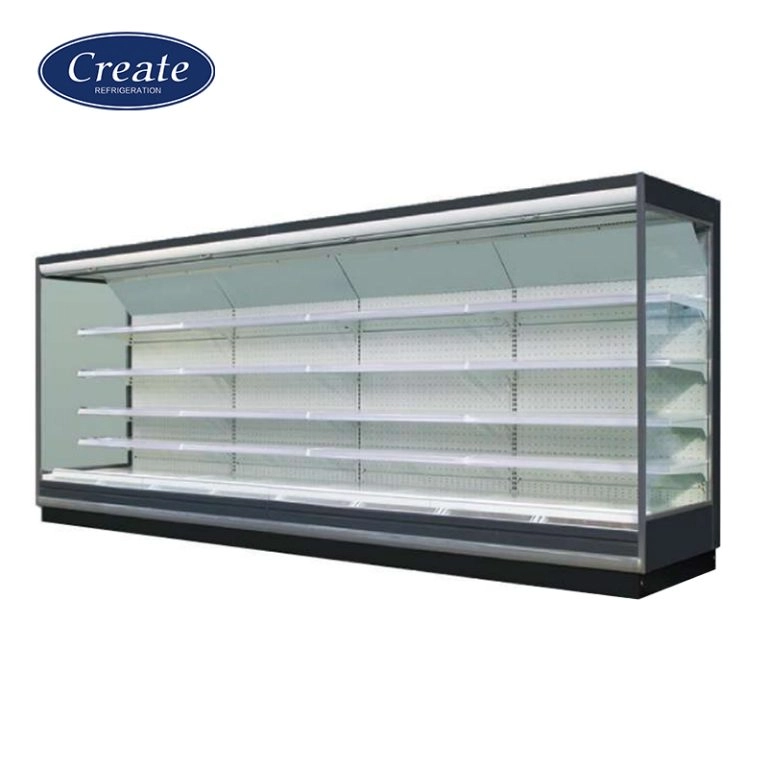
Exact temperature matters a lot for different foods like milk items, meats, or drinks that need set conditions. Better models have controllers run by microcomputers, and they include LED lights for clear checks. Systems that defrost on their own help keep things even. They stop ice from building up, which could hurt how well the unit stores items. Our Supermarket Freezer shows this tech in action, which has auto-defrost and even air flow over many shelves. These qualities work just as well in undercounter types.
Material and Build Quality
How strong something is built decides how long it lasts. Stainless steel outsides resist rust and clean up easily. This is key in busy business spots where keeping things clean is a must. Inside parts should have tough shelves that hold heavy weights without bending as time passes. We stress using safe, power-saving, and earth-friendly ways when making commercial refrigerators. And we stick to green tech to boost product worth at Create Refrigeration. This approach makes sure our materials hit global quality marks. At the same time, it has given dependable service over the years.
Noise Level Assessment
How much noise a unit makes is worth checking. This is especially true in open kitchens or places where guests stay, since quiet helps the mood. Manufacturers list noise in decibels usually. Picking low-noise ones creates a nicer space to work, and it does not weaken the cooling at all.
Additional Features to Look For
Next to basic specs like size and energy savings, some design parts can make the unit much more practical.
Shelving and Storage Options
Shelves you can change let users set up the inside as they need. You can move them to fit bottles, boxes, or trays of all sizes. This way, you use the small space fully. In our products, every shelf adjusts to match your wants. This kind of change makes sure our cooling options provide real use and room to adapt. They fit various store or cooking needs.
Door Design and Accessibility
The door setup affects its looks and how it works. Doors that flip sides give setup choices no matter the kitchen plan. Glass doors let you see inside. They are showing drinks. Solid doors keep heat out better for foods that need a steady cold. Double-layer insulating glass stays clear and very strong, which makes it last longer. And it keeps its see-through quality even when running non-stop in active spots.
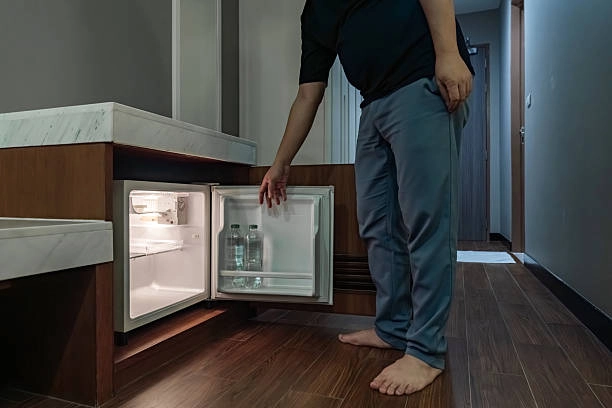
Create Refrigeration: A Reliable Supplier
To get real value that lasts from your undercounter gear, team up with a trusted manufacturer. This is vital.
Company Overview
Shandong Create Refrigeration Co., Ltd. stands as China’s biggest one-stop shop for supermarket buys and project work. It handles design, making, research, and selling all in one. Our goal focuses on global cold chain answers. We back this with fresh ideas in making things. And we put efficiency and care for the planet first. We bring more than 20 years of know-how to markets in over 70 countries. Certifications like CE, ETL, ISO, RoHS, GEMS, UL, and IEC back us up. They prove that we follow worldwide safety rules.
Product Offerings
Our lineup covers many commercial cooling systems. They suit different store styles. From multidecks open chillers to pastry cases, all aim for top energy use and lasting build. We also do OEM/ODM work, which lets buyers tweak things like sizes or brand marks to fit their projects. Key items include island freezers for selling frozen foods (Supermarket Combined Island Freezer). These share tech basics with small undercounter ones. They offer speed-changing features that cut power use by up to 55%. Plus, they hold steady temperatures with low-E coated glass panels.
Customer Support and Services
We care just as much about helping after the sale. Our full after-sales plans show this. We hold all sorts of quality check papers and factory tests, and we always put quality first. Products come with a one-year warranty. We use global shipping with insurance we pay for. For big orders, we give 1% extra parts at no cost. Our support team works worldwide, and they help with setup and upkeep to keep everything running smoothly across our items.
Conclusion
Choosing an undercounter refrigerator means looking closely at space limits, how much it holds, energy savings numbers, exact temperature settings, material strength rules, and noise limits. Also, think about extra parts like shelves that move or doors that switch sides. These make daily use better.
When all these match your goals, and you get them from solid suppliers with quality proofs, the setup brings ease, and it also saves money by using less power as time goes on. Focus on units with green coolants like R290 and inverter compressors for the best green perks. Working with manufacturers who push new tech ensures they hold up in tough business spots. For custom advice or made-to-fit answers that match your setup, we welcome pros looking for high-end cooling to reach us via our main links at Create Refrigeration.
FAQ
Q1: What is the ideal size for an undercounter refrigerator?
A1: The ideal size depends on available space beneath your counter and intended storage capacity; always measure dimensions carefully before purchase to ensure proper ventilation clearance during installation.
Q2: How can I ensure my undercounter refrigerator is energy efficient?
A2: Choose models utilizing inverter compressors paired with eco-friendly refrigerants like R290; additionally, verify Energy Star certification, which confirms verified reductions in electricity consumption over time.
Q3: Are glass door refrigerators suitable for all types of food storage?
A3: Glass door units excel at showcasing beverages or frequently accessed items, but may not be ideal for sensitive perishables requiring minimal light exposure due to transparency considerations inherent in their design structure.