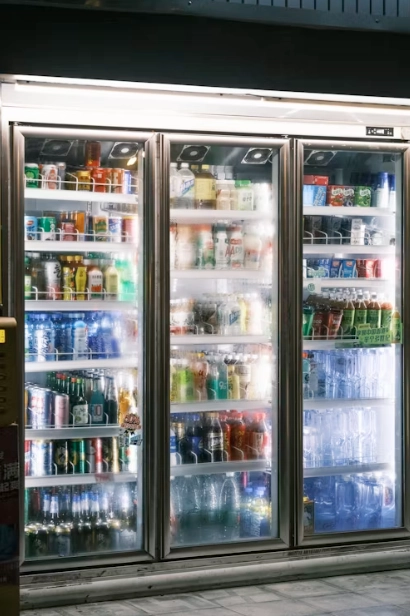
Maintaining exact temperature control in supermarket freezers plays a key role in food safety, energy savings, and smooth operations. If a freezer runs just a bit outside its best range, it might cause spoilage of valuable stock like meats, seafood, and ice cream. This could bring health dangers and financial losses.
What Temperature Should a Supermarket Freezer Be Set At?
Commercial supermarket freezers must generally keep inside temperatures at or below -18°C (0°F). Bodies like the FDA and USDA suggest this level for frozen food safety. Programs for energy efficiency, such as ENERGY STAR, match these rules. They also push for smart tech to improve temperature management.
Some items need even tighter steadiness. Frozen meats, seafood, and ice cream demand firm sub-zero settings to stop texture loss and germ growth. When you store a variety of goods, dividing your freezer into zones with compartments or separate units can help hold the right temperature for each type. This approach ensures better control over conditions.
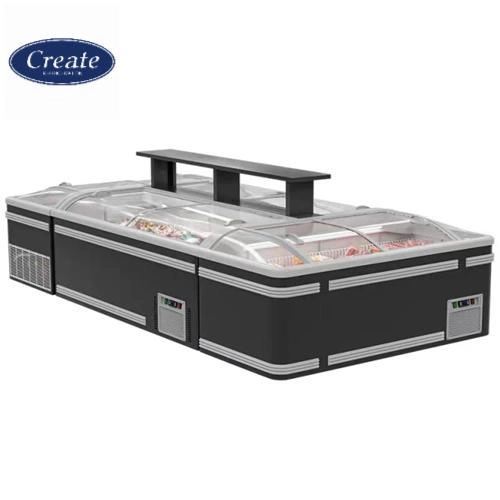
For instance, glass-door freezers that people open often in busy spots need stronger cooling setups. If you handle such systems, think about sturdy models like this Supermarket Combined Island Freezer. These provide large windows for clear product views and frequency conversion tech that cuts electricity costs by more than 55%.
Which Factors Most Commonly Cause Temperature Inconsistencies?
Many things can affect how well a supermarket freezer holds steady temperatures. First off, outside conditions matter a lot. The room’s warmth and moisture levels influence freezer work. Units near heat sources like ovens, air vents, or bright sun face extra risks, and these placements can make cooling harder to maintain over time.
Inside the unit, how you load it affects the air flow greatly. Putting in too many stock blocks the air paths. This results in spotty cooling across the space. Likewise, opening doors often lets in warm air, which disrupts the cold inside and makes stability tougher to achieve.
Equipment performance counts too. The compressor’s power and refrigerant amounts shape cooling strength. Plus, broken door seals or old insulation let cold air escape. To keep things reliable, check parts like fans, thermostats, and gaskets regularly..
How Do You Calibrate a Supermarket Freezer Properly?
Calibration starts with good preparation. Make sure the freezer is spotless, running well, and filled to normal levels. Then, pick a thermometer or data logger that works accurately in cold spots. It’s best to place several sensors in various areas, such as the top, middle, and bottom. Let them settle before you note the temperatures, and this setup gives you a full picture of the unit’s performance.
After that, check those readings against your goal of -18°C (0°F). Set the thermostat based on the maker’s guidelines. Change it in small steps only. Then, watch how the freezer reacts over 24 to 48 hours. Patience here ensures the adjustments take hold properly without overcorrecting.
Once you make the changes, measure all areas again to verify evenness, and this final check is vital for records and audits. Keeping notes on the process shows compliance during reviews. Overall, this method builds a strong foundation for ongoing reliability in your refrigeration setup.
What Maintenance Practices Improve Calibration Accuracy?
To make your calibration last over time, add routine cleaning and defrosting to your plan. Buildup of ice blocks air movement and heat transfer, which makes it tough for the freezer to stick to set levels. Defrosting regularly brings back peak cooling, which keeps the system running as intended without constant fights against frost.
When inspecting parts, target those that impact temperature steadiness most. Door seals need a close look for tears or spaces that leak air. Fans should spin correctly to spread the cold evenly through the space. Thermostats require tests for quick response and recalibration if they drift. By focusing on these elements, you cut down on hidden shifts that might spoil goods or break the unit.
How Can Calibration Support Energy Efficiency Goals?
One frequent error in business refrigeration is dropping temperatures too low. Overcooling wastes power without better food protection. Controls that adjust compressor speed to match current needs can fine-tune energy use. They keep safety intact while trimming bills, and this balance is especially useful in busy retail settings.
Newer tech, like variable-speed compressors, fits perfectly. These adjust cooling based on how full or active the unit gets. In supermarkets, where patterns shift from day to night, such systems shine. They respond to real demands, avoiding unnecessary runs that hike costs.
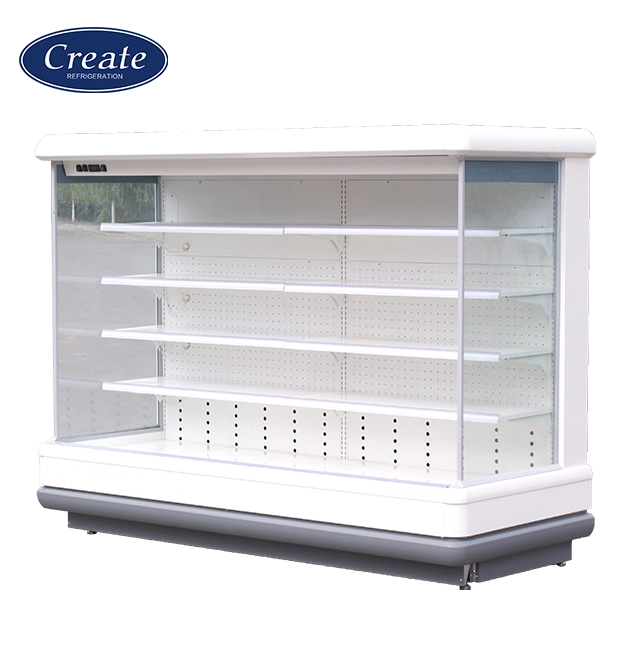
Options like the Supermarket Freezer Multideck Refrigerated Open Fridge include air curtains and settable thermostats. These hold precise temperatures and lower power draw. For shops focused on green practices, they offer a practical way to meet goals without cutting corners on quality. Integrating them can transform how you handle daily energy challenges effectively.
Who Can Help You Design Reliable Refrigeration Systems Tailored to Your Store?
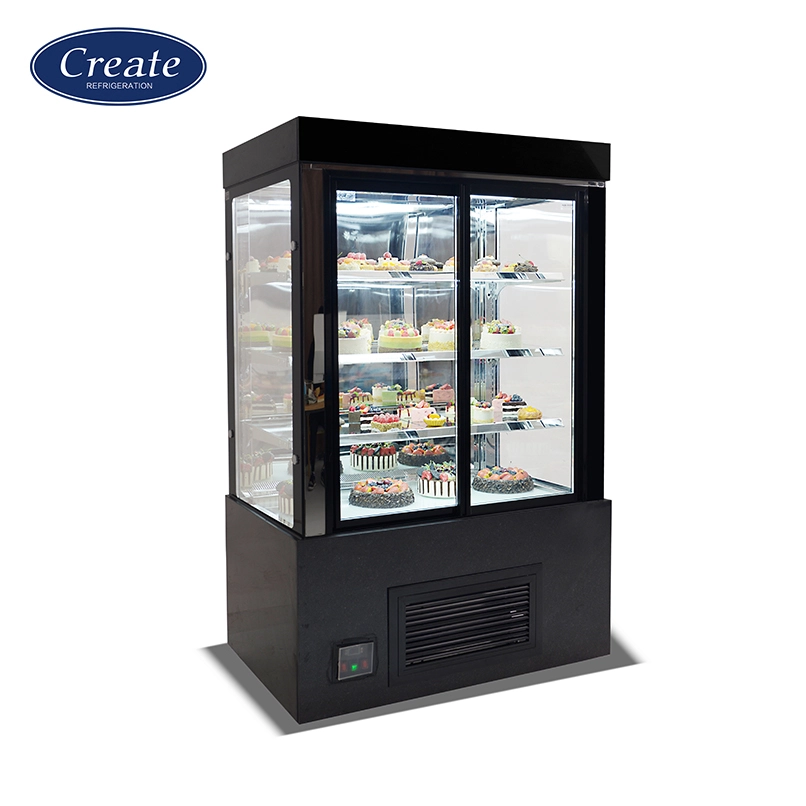
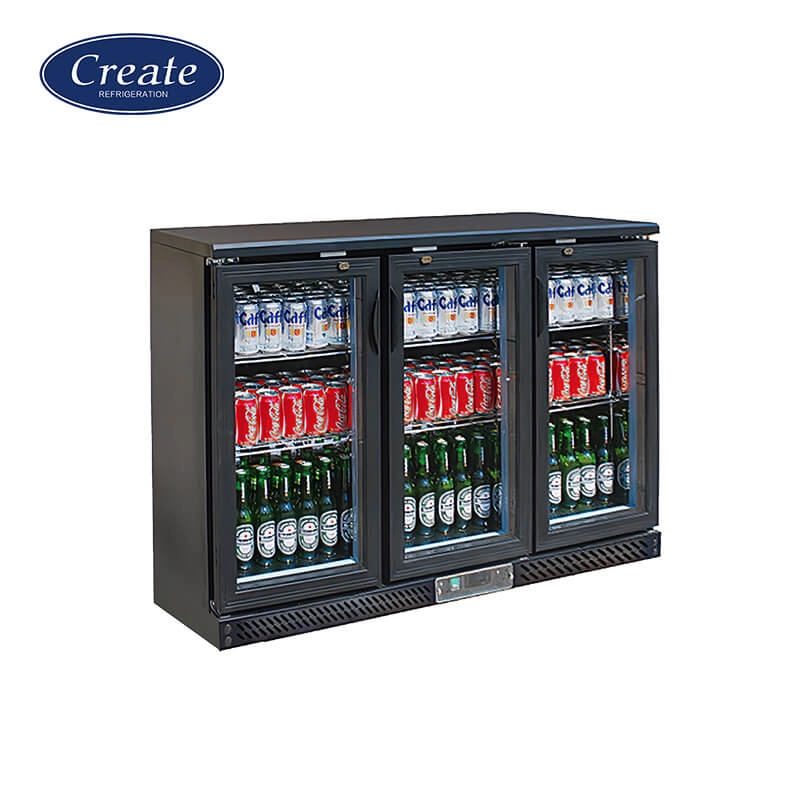
Create Refrigeration stands as China’s top one-stop shop for supermarket needs and project engineering. They provide OEM/ODM services for a wide array of refrigeration gear. From easy-to-install glass door coolers to sophisticated island freezers, their range covers practical and visual demands in worldwide stores. This variety ensures you find pieces that fit your space just right.
Their edge comes from a strong focus on eco-friendliness and careful building. Create Refrigeration uses green R290 refrigerants and fresh energy-saving stuff in their items. This matches worldwide efforts for sustainability. Their designers offer 3D views via CAD, customized to your shop’s setup, and it’s free with buys. Such support makes planning easier and more precise.
If you need solid partners to build cold chain setups for your exact needs, head to Create Refrigeration now. Their expertise can guide you toward systems that boost efficiency and reliability, tailored precisely to handle your store’s unique flow and demands.
What Should You Remember About Calibrating Your Supermarket Freezer?
Getting freezer calibration spot-on is not just nice—it’s essential for success in food selling. Whether you keep frozen meats or fancy treats, right temperature handling guards your stock and profits, which prevents waste and keeps customers safe from risks.
From checking measurements and tweaking settings to upkeep plans that last, a clear calibration routine with top gear lets you hit standards. You do this without losing power savings, and how long things endure.
FAQ
Q1: What is the ideal temperature setting for a supermarket freezer?
A1: The recommended setting is -18°C (0°F) or lower to ensure safe storage of frozen foods like meat, fish, and ice cream while complying with industry regulations.
Q2: How often should supermarket freezers be calibrated?
A2: Calibration should be performed at least quarterly or whenever discrepancies in temperature readings are observed during routine checks or audits.
Q3: Can one freezer be used for all types of frozen products?
A3: While a single freezer can store various frozen items, it’s important to monitor load distribution and ensure the unit maintains uniform temperatures throughout all compartments to avoid product degradation.