Cooling systems play a vital role in business settings where managing temperature affects product freshness, power savings, and visitor ease. In places like grocery stores or eateries, choosing between a business refrigerator and a cooling unit influences running expenses and energy efficiency. A business refrigerator mainly keeps exact cold levels for items, whereas a cooling unit adjusts room air for people’s well-being. The gap shows up not just in goals but also in how they work, power needs, and upkeep tasks.
Choosing the proper setup brings the best results and value for money. Companies should review weather patterns, moisture amounts, and use cases before picking the option that fits their work best. SHANDORD CREATE REFRIGERATION CO., LTD. is located in Xingfu Industrial Park, Binzhou City, Shandong Province, China. Our product is compliant with every country market, first-level energy saving, and level 1 energy consumption. stable product performance, safer food. We focus on building power-saving cold systems made for worldwide buyers. Our use of green R290 coolants and modern parts shows our dedication to eco-care and fresh ideas.
Key Differences Between Commercial Coolers and Air Conditioners
Before looking at particular uses, it helps to grasp how each device runs in a different way in business situations.
Mechanisms of Operation
A commercial cooler works via water-based or machine-driven cold-making steps aimed at holding low heat for kept items. Water-based units depend on liquid turning to vapor to drop air temperature, which proves useful in arid areas with little moisture. On the other hand, machine-driven units employ pumps and coolants to take in heat from the holding spot and push it outside.
Air conditioners run on a sealed cold loop that features four key parts: compressor, condenser coil, expansion valve, and evaporator coil. This setup moves coolant around to pull in inside warmth and send it out while drying the air. As a result, people get a pleasant inside space fit for dwellers, not fragile supplies.
Energy Efficiency and Environmental Impact
Looking at power use, business refrigerators usually take less electric power since they often count on simple vapor methods or very good pump setups tuned for set heat levels. Cooling units need steady running over bigger zones and normally draw more energy per bit of cold made.
Eco effects set them apart, too. Lots of new business refrigerators apply safe coolants like R290 or CO₂ that cut down on gas releases that warm the planet. Create Refrigeration is committed to the application of environmentally friendly R290 refrigerants and new energy-saving materials in products, pursuing high efficiency and energy conservation, and leading a green lifestyle. Cooling units frequently rely on man-made coolants that might raise more warming risk unless switched to better choices.
Cost Implications and Maintenance Requirements
Starting setup expenses vary a lot between the devices. Business refrigerators typically call for smaller starting funds than main cooling setups that cover wide areas. Yet, regular care hinges on how much they run; refrigerators might require steady water adds or pad washes if using water-based methods.
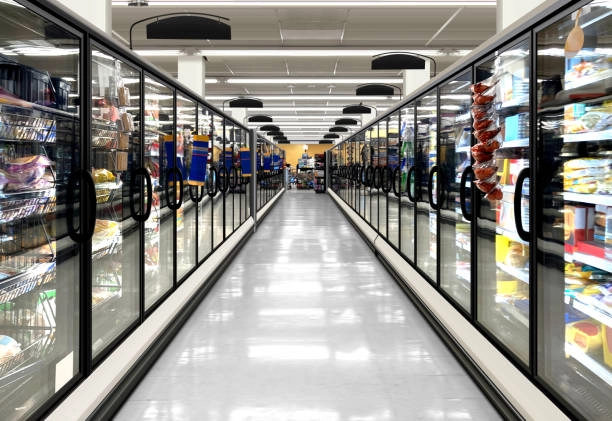
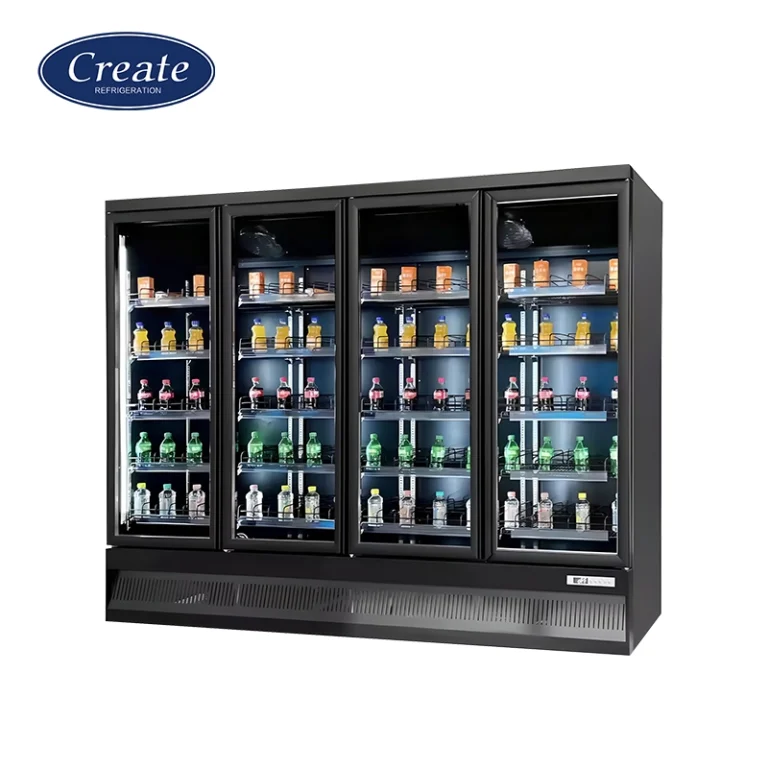
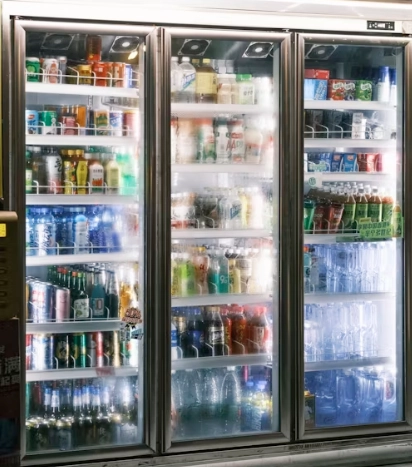
Cooling units call for tougher care that includes swapping filters, checking coolants, and washing coils to keep top work. In the end, the full cost over the years can run higher because of a bigger power draw. For firms aiming at lasting gains via cut power bills and green running, putting money into strong cold gear like our Glass Door Freezer & Cooler brings steady work with small eco trace.
Application Scenarios for Commercial Coolers
How well a cold system fits relies much on the surroundings and work aims.
Ideal Environments for Commercial Coolers
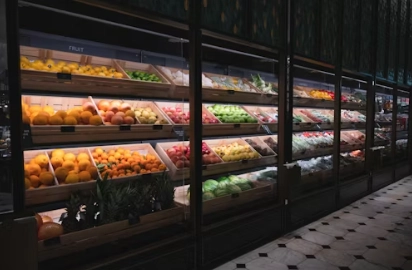
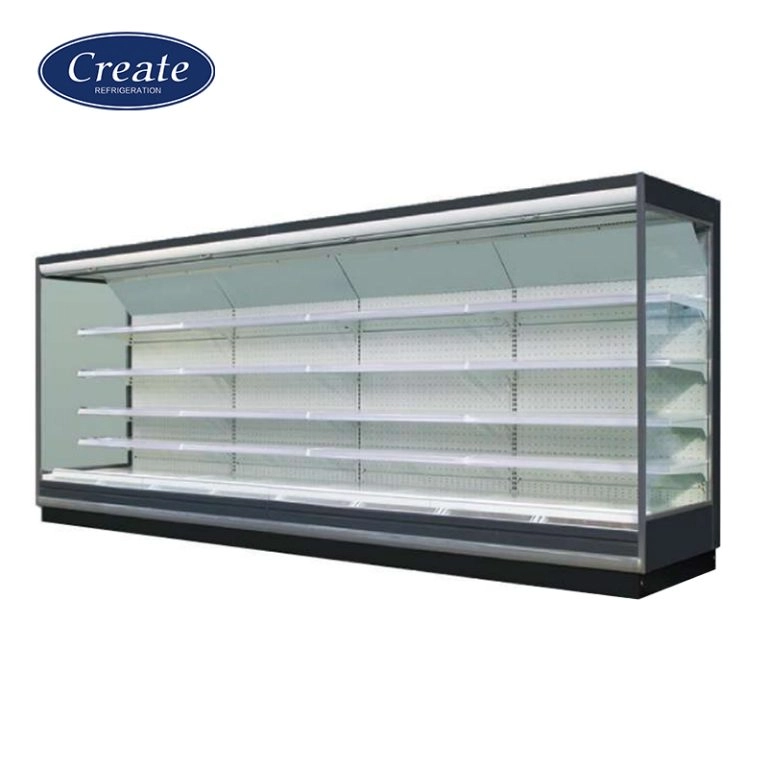
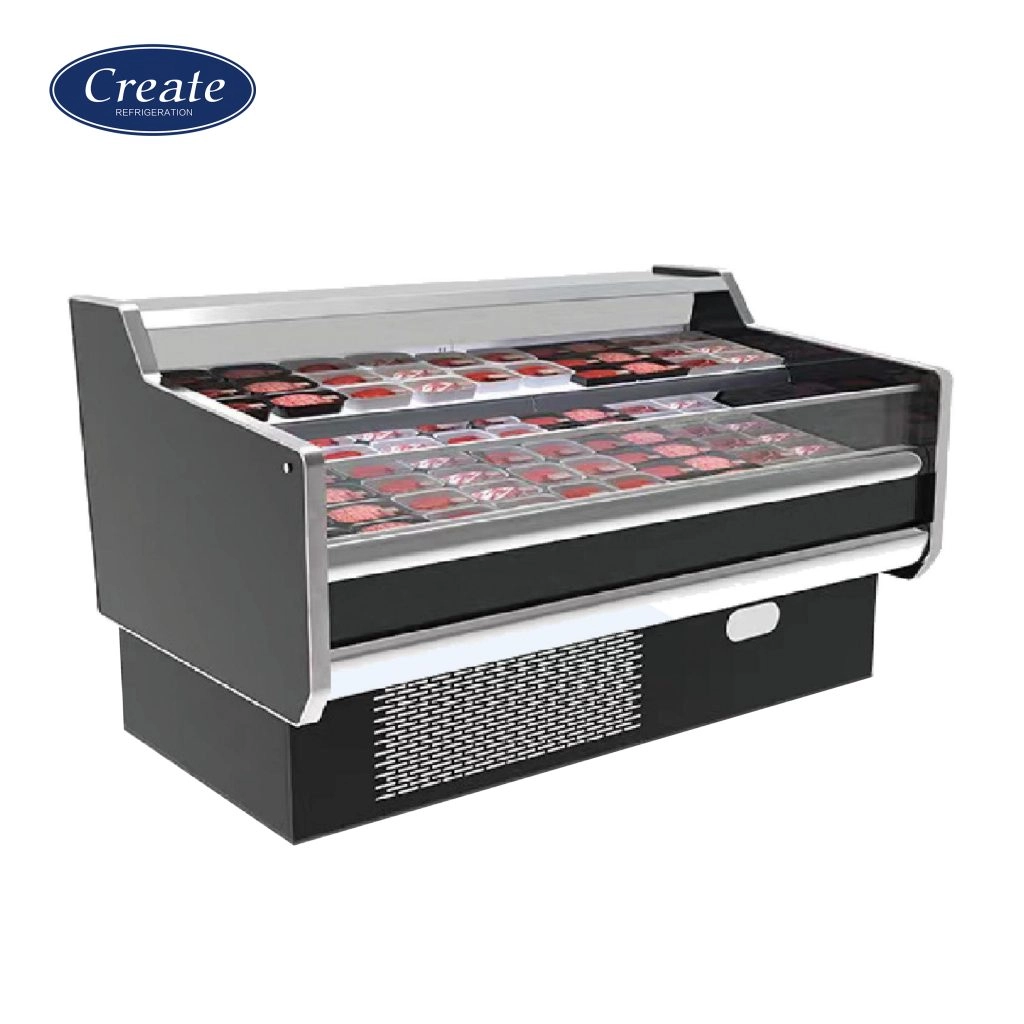
Business refrigerators do well in arid weather, where water-based cold cuts heat well without too much damp build-up. Fields like meal service, shop stores, or drink supply gain from these since they hold even item heat at cheaper running costs. Our line of Multidecks Open Chiller shows this good work by mixing quick cold speed with even heat spread, perfect for showing fruits, veggies, milk goods, or drinks while cutting power use.
Benefits in Specific Commercial Settings
In outdoor spots like stalls or half-closed shop areas, business refrigerators offer real pluses over cooling units by letting air move while keeping supplies fresh. They work especially well where full closing is not doable or cheap. Meal-based fields gain a lot from these since they guard supply wholeness without causing dry-out or ice harm seen in old AC ways. Plus, changeable shelf plans let bendy show setups that boost sight while holding best cold keep, key for stores wanting both use and nice looks.
Application Scenarios for Air Conditioners
Though business refrigerators shine in supply keep uses, cooling units lead in weather rule spots made for people’s ease or touchy machines.
Optimal Conditions for Air Conditioner Use
Cooling units beat refrigerators in damp zones where water-based setups drop in performance due to high humidity in the air. Places like work buildings, health centers, test labs, inns, or info hubs need exact rule over heat and damp levels, which only come from strong AC setups using sealed cold loops. These setups make sure steady inside ease no matter outside weather shifts, a main point in keeping worker output or guarding temperature-sensitive gear like servers.
Advantages in Controlled Environments
In shut spots needing tight temperature stability, such as drug-making zones or study spots, cooling units give top exactness by always watching heat changes via auto sensors. Their skill to rule both heat load and damp aids health rules while improving all work settings. By adding good pump tech like that in our cold lines (which can save up to 50% on electricity bills within one year), firms can get big lasting savings even when running large HVAC setups.
Create Refrigeration: Your Trusted Refrigeration Equipment Supplier
As a top group set on worldwide cold link new ways, Shandong Create Refrigeration Co., Ltd. is the largest one-stop purchasing company for supermarkets and engineering projects in China. We blend planning, making, study-work, and sales in one place to give made-to-fit answers that match varied world rules, including CE, ETL, ISO, GEMS, ROHS, UL, and IEC certifications.
Our plant spans 50,000 square meters with a yearly make over 23 000 units sent to more than 70 countries around the world. We focus on giving one-stop plant direct sales aid for home and away buyers. We also provide OEM/ODM customization services, allowing clients to tailor dimensions or branding details according to project requirements, a valuable advantage for supermarket chains aiming at unique layouts or private label branding initiatives. Our company goal stresses making value for buyers while pushing steady growth via power-saving habits using the best inverter pumps known in the field for steadiness and low-power run work.
Conclusion
Both business refrigerators and cooling units fill key but separate parts in today’s firm work. While business refrigerators put first supply of cold water via good water-based or machine steps fit for arid weather or open shop spots, cooling units do great at holding easy settings with exact heat rules ideal for damp zones or shut places needing people to stay cool.
Picking between them means checking surroundings parts next to work goals, like cost rule or green aims. For groups looking for sure cold answers built on safety rules and green tech, we give full aid from plan talk through after-sales aid, making sure a smooth fit into your firm’s setup. To check made-to-fit picks fit to your plant’s needs, contact us via our main site any time; our skilled team will help you at every step from plan to setup.
FAQ
Q1: Are commercial coolers more cost-effective than air conditioners?
A1: Commercial coolers can be more cost-effective in dry climates due to lower energy consumption, but may not be suitable for all environments, depending on humidity levels and required temperature precision.
Q2: How does the maintenance differ between commercial coolers and air conditioners?
A2: Commercial coolers generally require less complex maintenance but may need more frequent checks depending on water quality; air conditioners involve periodic servicing, including refrigerant monitoring and filter replacement, which increases maintenance complexity over time.
Q3: Can a commercial cooler effectively replace an air conditioner?
A3: In certain dry climates or open-air settings, a commercial cooler can serve as an effective alternative; however,r it may not deliver equivalent temperature control consistency as an air conditioner, especially within humid enclosed environments where moisture regulation is critical.