In commercial refrigeration, power consumption isn’t just a technical metric—it directly affects profitability, sustainability, and compliance. Businesses in retail and foodservice rely heavily on refrigeration equipment. This equipment often runs around the clock. It accounts for a large share of total energy use. By examining energy performance in commercial display freezers, operators can cut down on running expenses. They can also boost their environmental footprint. Plus, this analysis helps in picking up fresh technologies. These technologies match changing rules and what customers expect from energy-saving setups.
How Do Commercial Display Freezers Support Retail and Foodservice Operations?
Commercial display freezers have two main jobs. They keep perishable items fresh. The systems work without stopping. They need steady inside temperatures no matter what happens outside or how people use them. Because of this constant need for smooth work, picking energy-saving models becomes crucial. These models balance solid cooling with keeping costs in check.
What Determines the Energy Use of Commercial Display Freezers?
The compressor stands out as a main part that drives power use. Efficient compressors with variable speeds can change their work level to fit the cooling need. This cuts down on wasted energy when the load is light. Our choice of the leading inverter compressor, which the field knows well, makes sure the item works better on energy. It stays reliable in action.
How Does Design Impact Insulation Performance?
The way the cabinet is built has a big effect on how well it holds in the cold. Better insulation stuff stops heat from outside air from getting in easily. Meanwhile, doors with two or three layers of glass keep things visible without letting much heat sneak through. The clear, strong top glass uses low-e tech to cut energy loss. It also avoids frost buildup, which helps keep food clean and safe.
How Much Does External Environment Influence Energy Demand?
Outside temperature and moisture levels have a strong pull on how often compressors turn on. Freezers near things that give off heat, like ovens, or those hit by direct sun need extra power to hold the right chill. But if you place them smartly, away from those trouble spots, you can see clear wins in how efficiently they run. In fact, good positioning alone can make a noticeable difference in daily energy pull without any other changes.
Why Do Door Openings and Loading Behaviors Matter?
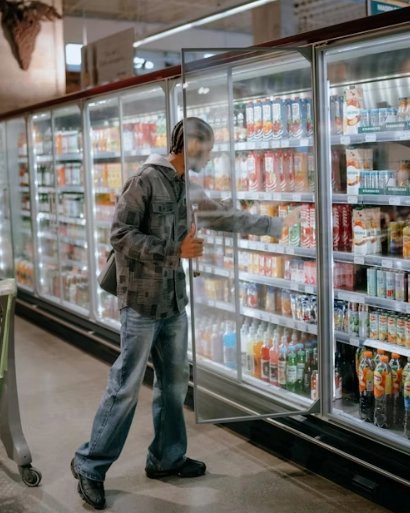
Each time someone opens a door or reaches into the freezer, cold air slips out. This makes the compressor work harder to fix the temperature drop. Bad ways of loading, like stuffing too much in or covering air paths, mess up the flow of cool air. They also make cooling uneven across the space, which bumps up power needs even more. That’s why teaching workers the right ways to load and handle the unit is so important. It directly ties into keeping energy use under control.
What Are Standard Power Usage Metrics for Display Freezers?
Vertical Glass-Door Freezers
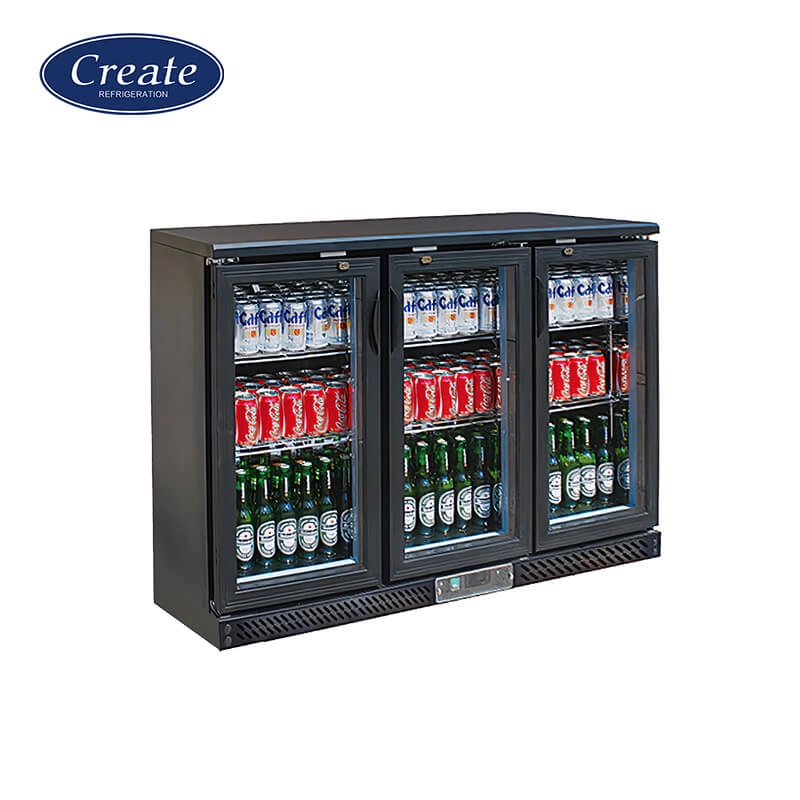
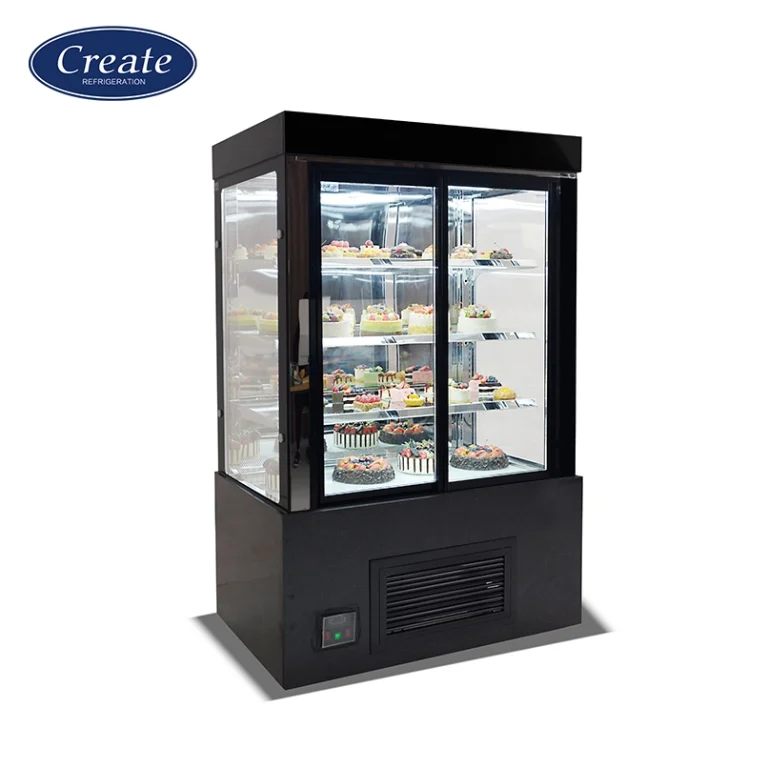
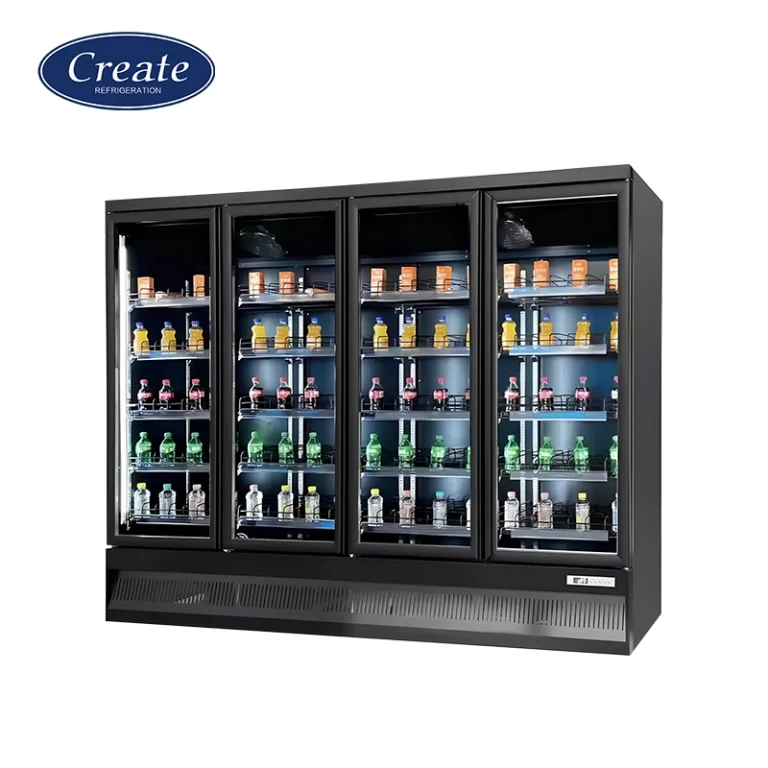
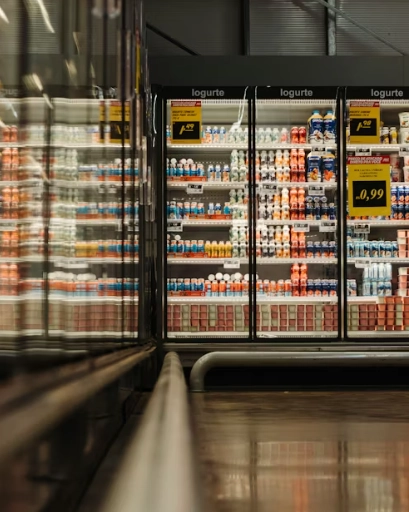
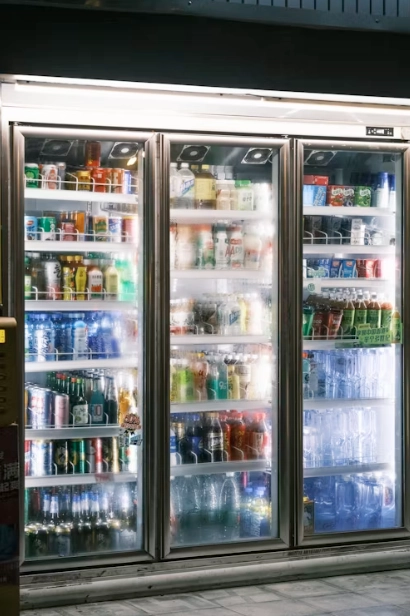
These upright models with glass fronts often use 8–20 kWh/day. Their closed setup keeps outside air from mixing in much, which helps hold down the power draw naturally.
Horizontal Island Freezers
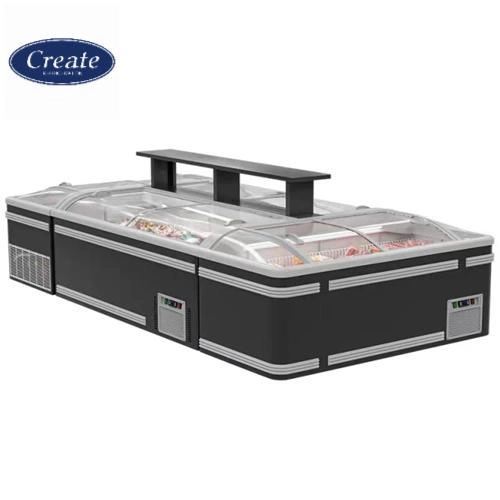
Because they have bigger surfaces and people access the top often, these flat units tend to pull 10–30 kWh/day. Take the supermarket combined island freezer, for example. It comes with push-up glass tops and choices for frequency conversion. Those features can drop electric bills by more than 55%. You can go for frequency conversion options, and that saves over 55% on power costs. Such additions make a real difference in busy store settings where access happens a lot.
Open Multideck Display Cabinets
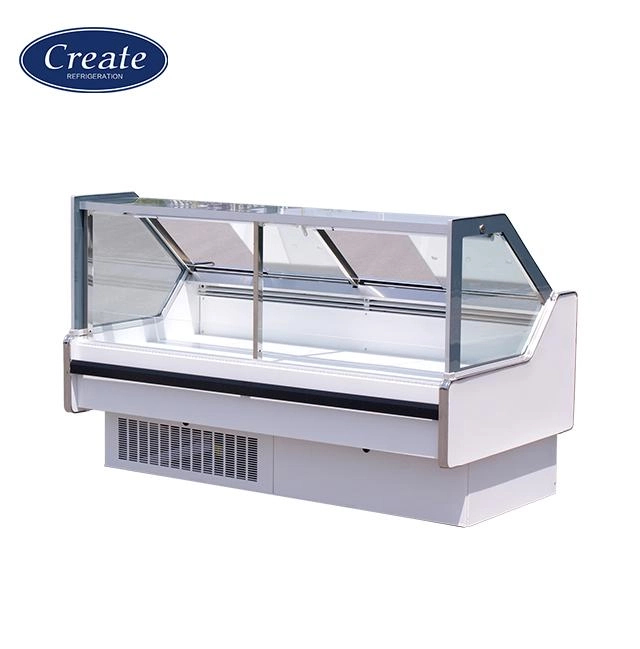
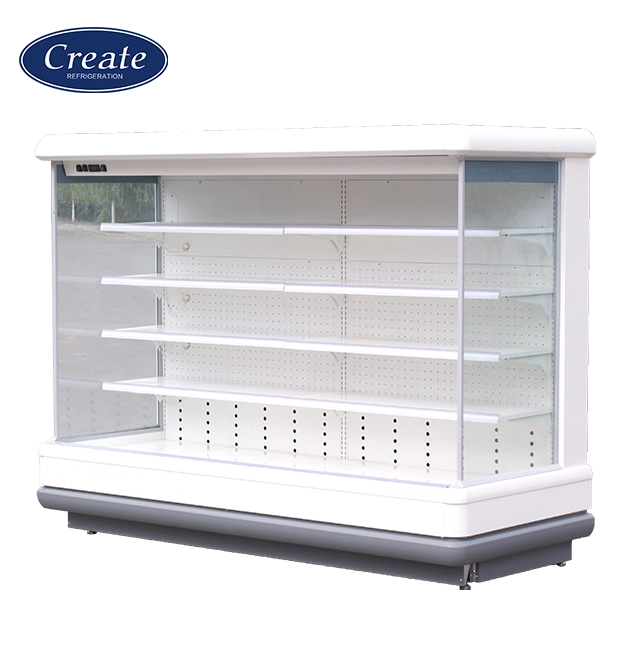
Open ones that let room air flow in freely can go beyond 30 kWh/day since they’re always open to the surroundings. Still, something like the multideck open fridge display cabinet fights back against losses. It uses clear night curtains and smart air barriers to keep the cold in better. The transparent night curtain proves especially handy after hours, cutting down on extra work for the system.
What Technologies Are Driving Down Energy Consumption?
Systems with inverters let compressors run at different speeds to match the exact cooling call at any moment. Smart controls take it further. They fine-tune when to defrost, watch how often doors open, and adjust to shifts in room warmth. All this quick thinking slashes power that’s not needed.
What’s the Role of LEDs and Night Blinds?
Night blinds or curtains do their part too. They trap the cold when the store closes, so compressors don’t have to kick in as much during quiet times.
Are Natural Refrigerants Making a Difference?
Absolutely. Gases like R290 work with high cooling power and very low harm to the climate, known as GWP. At Create, we focus on using eco-friendly R290 refrigerants along with fresh energy-saving materials in our builds. This lines up our gear with worldwide green targets. At the same time, it keeps top-notch cooling strength. So, businesses get reliable performance that also helps the planet in a practical way.
How Can Operators Reduce Energy Costs Further?
For instance, wiping down condenser coils makes sure heat escapes well. If seals around doors wear out, swap them fast to stop cold from leaking. These steps, done regularly, prevent small issues from turning into big power drains over time.
How Can Staff Behavior Affect Energy Performance?
Everyday actions from workers make a real impact. Things like shutting doors quickly or not piling shelves too full let air move freely. This eases the load on compressors. Setting up training sessions for the team costs little but pays off in better habits. In the end, people-focused changes often bring quick wins alongside tech upgrades.
Why Install Energy Monitoring Systems?
Tools that track power in real time spot odd patterns or breakdowns early. They warn managers before problems grow. On top of that, the data helps in choosing when to update old gear or swap in new ones.
What Regulations Govern Energy Efficiency in Commercial Freezers?
ENERGY STAR® lays out tough rules based on power used per space cooled. To get the label, models have to show big drops in daily kWh compared to standard ones. This mark gives buyers confidence in picking gear that truly saves over the long haul.The U.S. Department of Energy, or DOE, sets floor levels for how efficient commercial chillers must be to sell across the country. These rules push makers to keep improving.
Who Provides Reliable Solutions for Energy-Efficient Commercial Refrigeration?
If you need a solid partner for up-to-date chilling setups that focus on strong work and green practices, turn to Create Refrigeration. This company zeros in on top-quality commercial chilling for grocery stores and food selling spots. They bring more than 25 years of know-how. Their reach covers over 70 countries worldwide. The lineup includes supermarket island freezers, multideck units, and made-to-order cold rooms. All of them pack in smart compressors, strong insulation, clever controls, and R290 gases.
Key Insights on Power Usage Patterns
- Power usage changes a lot based on the style of build, like upright versus flat versus open types. It also shifts with how people use it, such as opening doors or filling it up.
- Adding tech like inverter compressors, smart setups, LED lights, and R290 gases can trim energy needs by up to 50%.
- Choices around where to put the units, steady upkeep routines, teaching workers good ways, and tools for watching energy all add up to real cuts in bills.
FAQ
Q1: How much electricity does a typical commercial display freezer consume daily?
A1: The amount varies by type and size. It usually falls between 8–30+ kWh/day. Open multideck units pull more than those that stay closed most of the time.
Q2: What is the most effective way to reduce energy costs associated with display freezers?
A2: The best approach mixes gear that’s built to save power with ongoing care, lessons for the team, controls that think on their own, and smart spots to place them. This combo tackles costs from every angle.
Q3: Are natural refrigerants like R290 safe for use in commercial freezers?
A3: Yes, R290 works well thanks to its strong cooling traits. When set up following safety guidelines, it proves both power-saving and kind to the environment in business settings.