Keeping proper temperature management in commercial refrigeration proves vital for upholding food safety, item quality, and power savings. In food service settings for businesses, cooling devices run continuously. They shield easy-to-spoil goods from germ buildup and decay. Bodies like the FDA and ENERGY STAR issue firm rules for holding safe levels in business chillers and freezers. Accurate temperature handling not only aids in following these wellness and protection norms, but it also aids extended storage time, higher client pleasure, and major expense reductions via less trash and decreased power draw.
Recommended Temperature Ranges for Commercial Refrigerators
For upholding the protection and wholeness of kept items, rules from regulators and sector norms outline perfect heat levels for various kinds of business cooling setups.
Industry Standards and Regulatory Guidelines
The FDA advises holding business refrigerators at or under 40°F (4°C). This mark blocks the spread of most disease-causing germs. To boost function and save power, ENERGY STAR approved devices usually run from 33°F to 38°F (0.5°C to 3.3°C). Such setups aim to match chilling power with little power draw.
Besides, HACCP (Hazard Analysis Critical Control Point) plans put heavy focus on steady heat tracking. They call for logs and notices to guarantee ongoing adherence.
Temperature Requirements by Product Type
Various food groups call for custom holding setups to stop rot and keep standards.
Perishable Foods (Meat, Dairy, Produce)
- Meat: Best kept from 28°F to 32°F (-2°C to 0°C), barely over ice point. This curbs germ action without harming tissue.
- Dairy: Calls for heat from 34°F to 38°F (1°C to 3°C) to hold newness and dodge splitting or turning bad.
- Produce: Demands finer adjustment. Greens like leaves do best near 32°F (0°C). On the other hand, warm-climate fruits such as bananas or mangoes hold up nicer near 50°F (10°C) to skip cold harm.
Beverages and Packaged Goods
- Beverages: Hold best at 35°F to 38°F (1.5°C to 3.3°C). This delivers prime coolness while curbing moisture form.
- Packaged Foods: Need to stay under 40°F (4°C) for protection and drawn-out holding time.
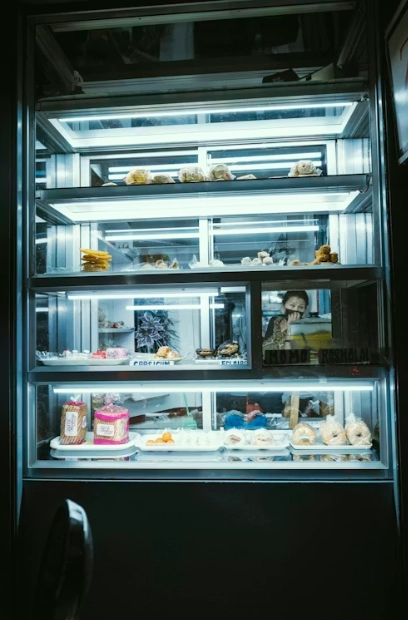
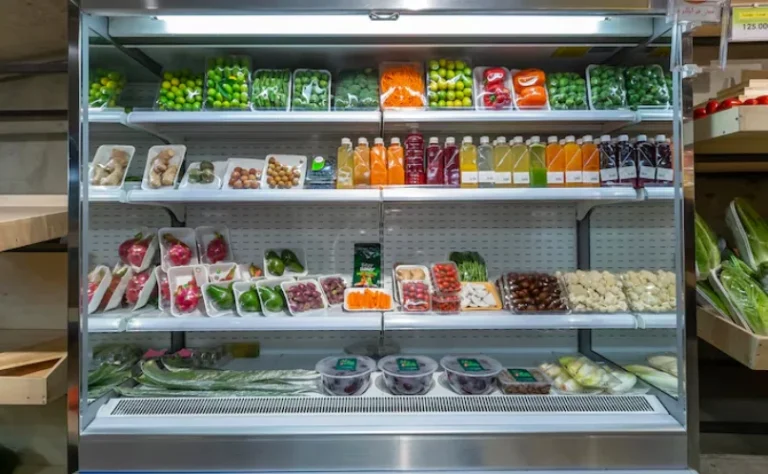
- Fruit & Dairy Display Cabinets that maintain ideal chilled environments with even airflow distribution.
Factors Influencing Optimal Refrigerator Temperatures
Holding steady inside heat gets shaped by a few work and surroundings elements.
Ambient Environment and Location of Equipment
Setting cooling units in spots hit by strong outside warmth, like close to stoves or under straight sun, can put heavy load on compressors and spark heat shifts. Bad spots lower chilling power and could endanger food protection.
Refrigerator Type and Configuration
The sort and layout of cooling units likewise hold a key part in heat steadiness.
Reach-In vs Walk-In Units
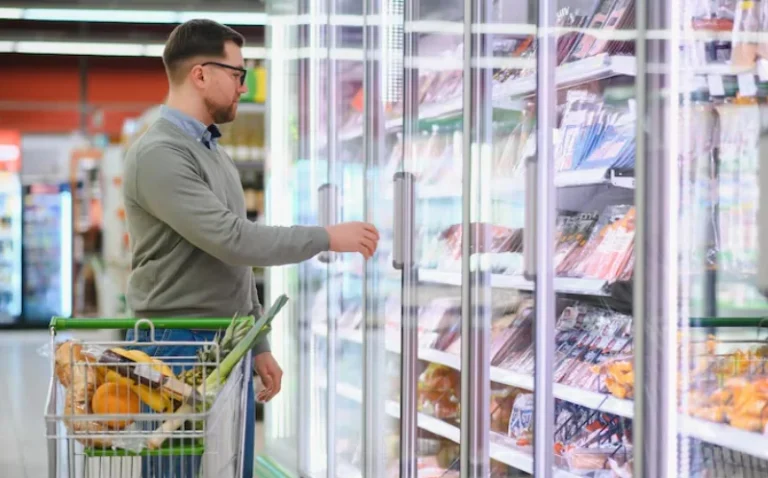
Reach-in refrigerators usually come smaller and face more door uses often. Those bring in hot air and call for quicker bounce-back periods. Yet walk-in coolers gain from stronger wrapping but need tough tracking setups because of their bigger space and heat lag.
Display vs Storage Units
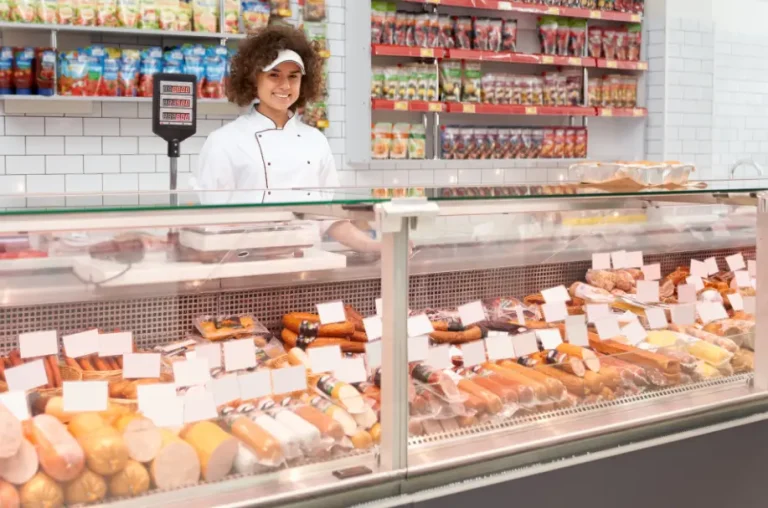
Display units put first the sight and reach of items. This leaves them open to outside heat entry. Parts like air barriers, glass panels, and LED lights aid in cutting heat escape. Storage units instead highlight wrapping and less entry to keep inside states even.
Usage Patterns and Door Openings
Often using doors hikes heat burden and shakes inside heat. Fixes like auto shut doors, strip barriers, or sense-based entry can aid in cutting contact. Use of self-closing doors, strip curtains, or motion sensors can mitigate temperature spikes.
Technological Features Supporting Optimal Temperatures
Current cooling tech gives forward tools for exact heat handling. Digital thermostats permit exact tuning in narrow bounds. They often link with live tracking setups that issue warnings when shifts happen. This stays key for spots sticking to HACCP rule frames.
Maintenance Practices That Support Temperature Stability
Work length and power tie tight to forward upkeep plans.
Regular Cleaning of Coils and Airflow Pathways
Grimy condenser coils cut heat release. This hits chilling work. Also, stopped air flow limits cool air spread. That leads to spotty heat in areas.
Calibration of Thermometers and Sensors
Thermostats need regular tuning to hold truth. Shifts can lead to rule breaks or food rot if not caught.
Energy Efficiency Considerations in Temperature Settings
Hitting even ground between enough chilling and power use stays key for gain.
Balancing Cooling Needs with Energy Costs
Running at colder-than-needed heat might give small wins in food holding but brings big power bills. ENERGY STAR recommendations aim to optimize both safety and efficiency.
ENERGY STAR Certification Benefits
ENERGY STAR certified commercial refrigerators are about 40% more energy-efficient than conventional models, potentially saving businesses hundreds of dollars annually in electricity costs. When properly maintained, such units offer the best return on investment over their lifespan.
Create Refrigeration: Trusted Partner in Commercial Refrigeration Solutions
When getting solid gear that fits strict work needs, linking with a skilled maker holds the main point.
Overview of Product Offerings from Create Refrigeration
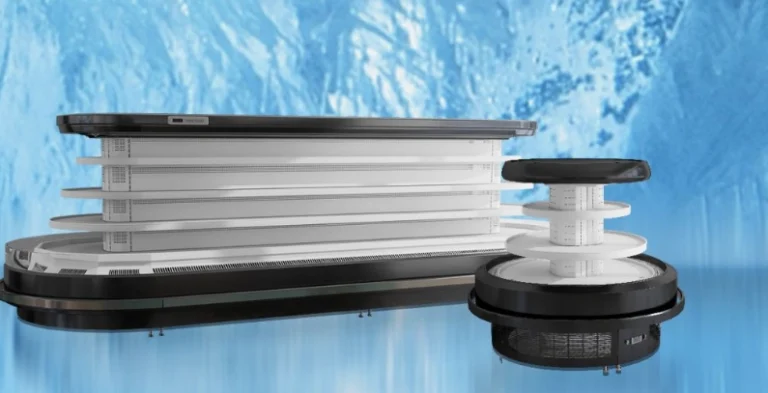
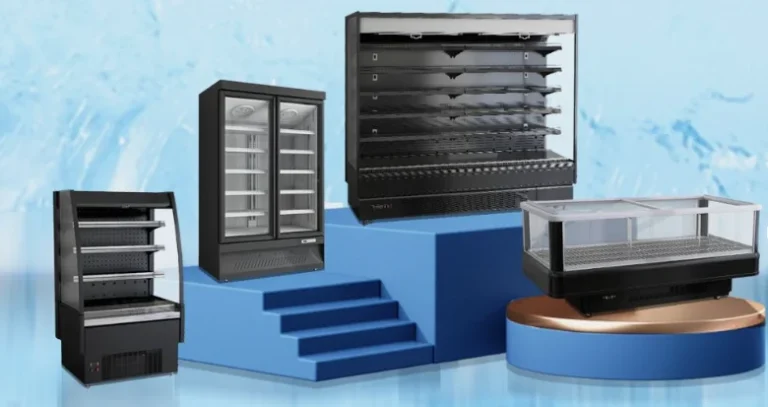
Create Refrigeration offers a wide selection of commercial refrigeration products including island freezers, multideck chillers, glass door coolers, and display cabinets tailored for supermarkets. Units such as the Combined Island Freezer are designed for modular use in varying store layouts.
Commitment to Quality, Innovation, and Customer Support
By adopting the top-tier brand inverter compressor recognized by the industry, we ensure that the product is more energy-efficient, stable in performance, and can save up to 50% on electricity bills within one year. The company also provides OEM/ODM customization services and full post-sale support from installation guidance to spare parts logistics. If you want to learn more about Create Refrigeration. Please contact us.
Key Insights on Optimal Commercial Refrigerator Temperatures
Holding perfect heat in business cooling stays vital not just for food protection but also for work power. Smartly guiding heat setups cuts trash while holding standards. Both prove key in rival food service spots. Further, how it runs hinges on many factors like outside states, gear sort, user ways, and usual upkeep. Putting money in fine gear with forward guides brings rewards in steadiness and rule keeping.
FAQ
Q1: What is the ideal temperature range for a commercial refrigerator used in a restaurant kitchen?
A1: The ideal range is between 34°F to 38°F (1°C to 3°C), ensuring food safety while preserving freshness across various perishable items commonly stored in restaurant environments.
Q2: How often should I check the internal temperature of my commercial refrigerator?
A2: It’s advisable to check temperatures at least twice daily using a calibrated thermometer or automated monitoring system to ensure continuous compliance with food safety standards.
Q3: Can setting a lower temperature improve food preservation?
A3: While lower temperatures may slow bacterial growth further, setting too low may freeze certain items unintentionally or increase energy costs unnecessarily; maintaining within recommended ranges is optimal.