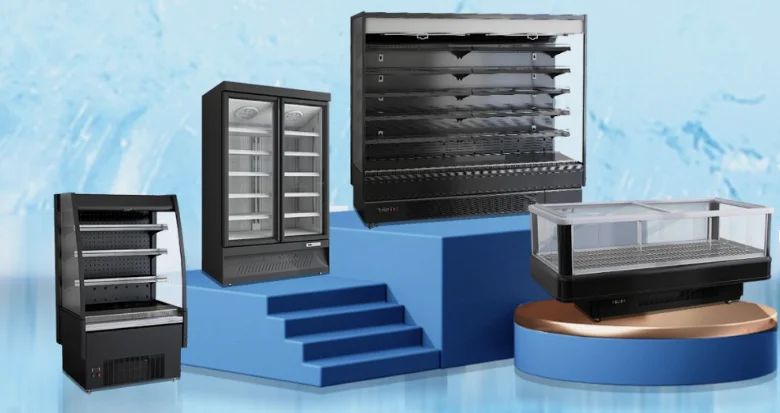
Commercial refrigeration systems play a vital role in fields like foodservice, supermarket retail, and cold chain logistics. These devices keep products fresh and safe. Yet, they often rank as the biggest electricity users in business environments. Because they run around the clock, knowing their power needs—and ways to cut them—is key for saving money and helping the planet. This piece looks at main elements that shape energy use. It compares various fridge types by their power draw. Plus, it shares tips for better efficiency, including methods from top players like Create Refrigeration.
Factors That Influence Electricity Consumption in Commercial Refrigerators
Several working and building features affect how much power a commercial refrigerator draws. We will check them out step by step.
Equipment Size and Storage Capacity
Bigger commercial refrigerators with more room inside naturally pull more electricity. This happens because they cool a larger space. But wrong loading habits can make it worse. Overloading blocks airflow. As a result, the compressor labors more. Underloading cuts efficiency. It leads to bigger temperature swings inside. Good loading lets cold air move well. Thus, it eases the strain on the compressor.
Compressor Type and Cooling Technology
The kind of compressor greatly shapes energy results. Single-speed compressors work at top speed until the set temperature hits. They use a lot of electricity. Variable-speed (inverter) compressors match the real cooling need. This cuts energy waste.
Our use of the leading inverter compressor, praised in the field, makes products more power-saving. They run steadily too. Plus, they can trim electricity costs by up to 50% in just one year.
Insulation Quality and Cabinet Design
Insulation helps keep inside temperatures steady. It does this well. Thick polyurethane foam blocks heat transfer. Bad door seals or gaps let warm air in. So, the compressor runs more often. Double-layer glass that insulates is clear and tough. When paired with spray coatings that stick via static, it boosts heat holding and strength.
Defrost System Type
Defrost ways differ in their power effects. Manual defrost needs hands-on work but draws little electricity. Auto electric defrost brings ease. However, it pulls more power each time it runs. Newer models often have auto defrost run by a small computer. This tunes cycles to what’s needed.
Ambient Temperature and Installation Environment
Where you place the unit matters a lot for its work. Units near heat sources like stoves or in spots with bad airflow need extra energy to stay cool inside. Giving enough space around air vents aids heat release. The exposed heat release area in this system is 17% wider than older styles. Hence, it sheds heat better.
Energy Efficiency Ratings and Certifications
Picking gear with seals of approval can lower power bills and harm to nature a good deal.
Importance of ENERGY STAR Certification
Fridges with ENERGY STAR rating meet tough rules for energy work. Such models use 20%–30% less power than plain ones.
From FEMP info:
| Model Type | Annual Energy Use | Annual Cost (@$0.099/kWh) |
|---|---|---|
| Less Efficient | 949 kWh | $94 |
| ENERGY STAR | 602 kWh | $60 |
| Best Available | 394 kWh | $39 |
Interpreting Energy Guide Labels for Commercial Units
Energy Guide tags give useful facts for comparing. Yearly kWh amount, Rough running cost, Size info for fair checks. These tags aid firms in picking fits for their habits.
Comparison of Different Commercial Refrigerator Types by Power Usage
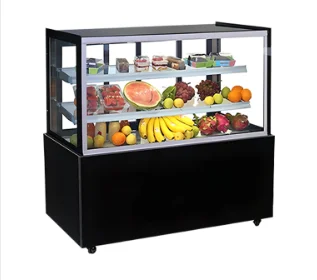
Various setups lead to different energy marks. Choosing the best kind is key to cutting use.
Glass Door Chillers vs Freezers
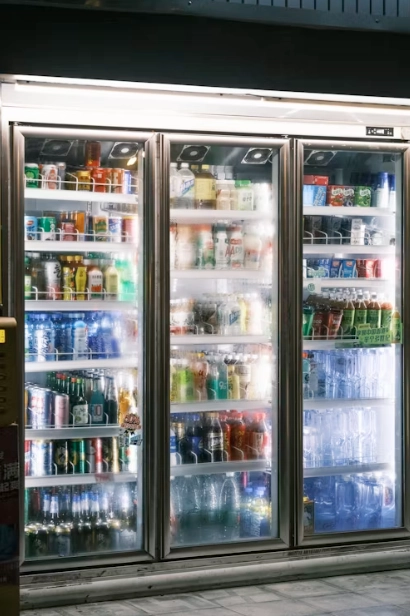
Glass door chillers, designed specifically for beverages and dairy products maintained above freezing temperatures, demonstrate reduced energy consumption due to their comparatively warmer interior conditions. In contrast, glass door freezers operate at temperatures of approximately -18°C or lower, necessitating significantly greater power to sustain such intensive cooling performance. The supermarket glass door freezer, a commercial wall-mounted combination unit, includes a full machine plug-in warranty valid for one year.
Island Freezers vs Upright Multideck Cabinets
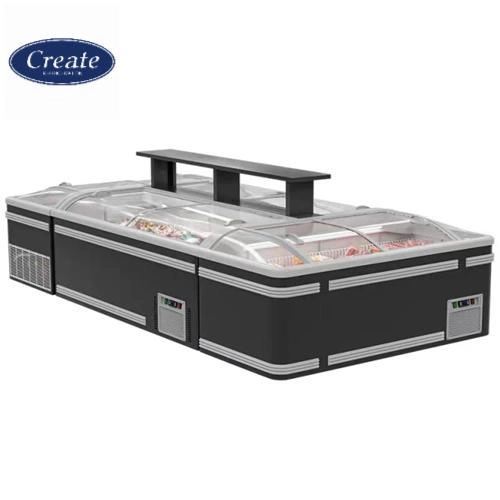
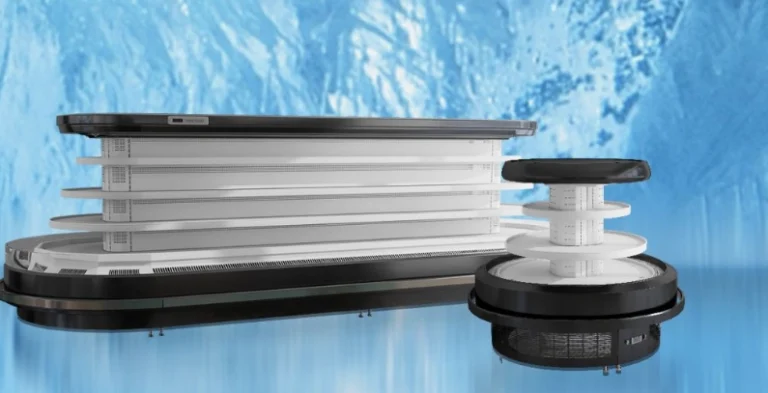
Island freezers, characterized by their horizontal configuration and sliding lids, excel at effectively containing chilled air, making them particularly suitable for storing bulky frozen items such as ice cream or seafood products. These units incorporate frequency conversion technology, which contributes to a reduction in electrical consumption exceeding 55 percent.
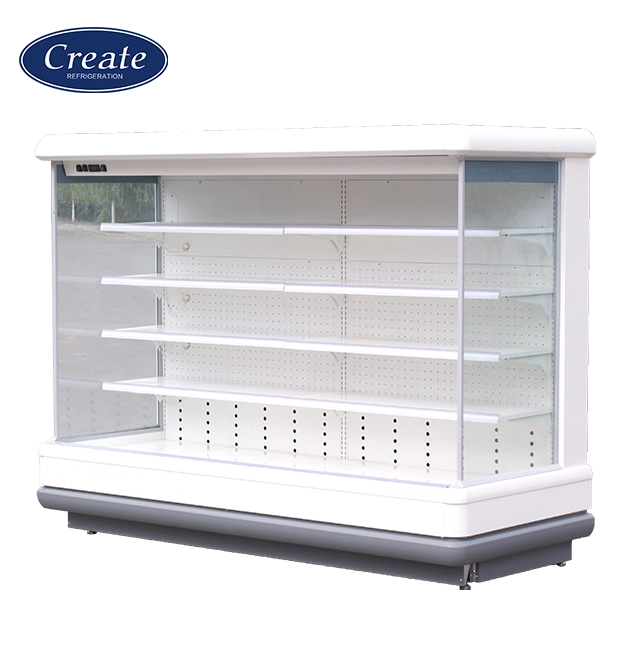
Upright multideck cabinets, featuring convenient front-opening access, facilitate easier product retrieval; however, this design can lead to greater dissipation of cold air. To mitigate energy usage, numerous models are equipped with night covers. Additionally, the plug-in floor standing air curtain multidecks often include a transparent night curtain for this same purpose.
Operational Practices That Affect Energy Consumption
Even good units can do poorly if run wrong. Here are key operation points.
Temperature Settings and Thermostat Calibration
Setting too low boosts the job load. Checking calibration often keeps it true. It stops extra cooling. Digital thermostats with live screens help hold best ranges steady.
Maintenance Routines and Cleaning Schedules
Dust on condenser coils hurts heat flow. Clean them every three months. Keep air grills clear.
Door Gasket Inspection
Look for breaks or bends that hurt seals. Swap gaskets each year or if broken. Check hinges to ensure they line up right. We stress safe, power-saving, and green ways in making commercial refrigerators.
Technological Innovations Reducing Energy Demand in Modern Units
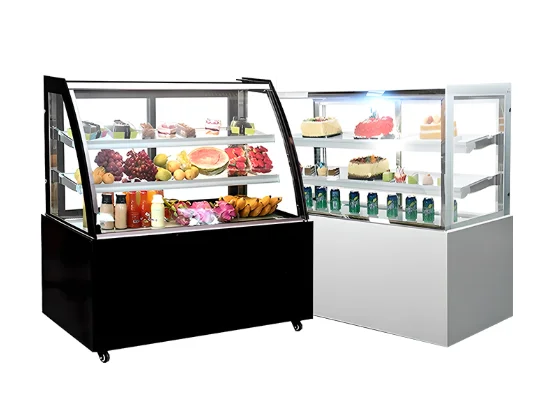
New ideas help push efficiency in cooling setups.
LED Lighting Systems Over Fluorescent Bulbs
LED lights use less power. They also give off less heat. This eases the cooling task.
Built-in LED illumination, More Brighter and Clear Display.
Smart Controls and Remote Monitoring Systems
High-tech setups watch temperature patterns. They warn of odd issues. They stop waste with quick spots. They tune defrost runs on their own. Some fresh units link to utility plans for demand response. This brings more savings.
Create Refrigeration: A Trusted Supplier of Efficient Commercial Refrigeration Solutions
For firms wanting prime cooling with power-saving traits, Create Refrigeration gives solid options.
Overview of Create Refrigeration’s Product Offerings
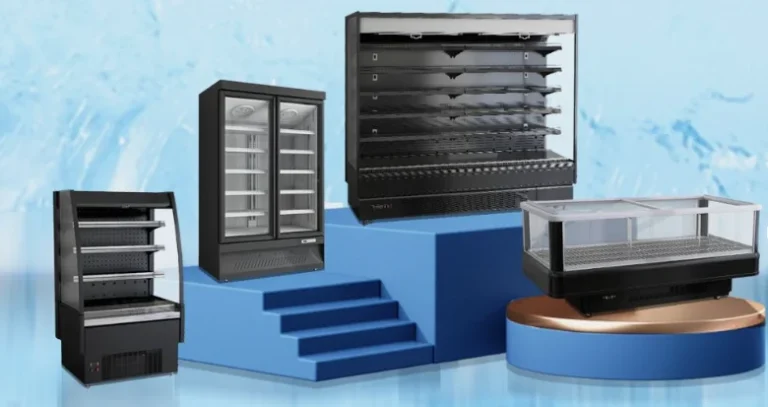
Create Refrigeration chiefly makes cooling gear for business supermarkets, stainless steel items, western kitchen tools, and store racks. Its range covers glass door chillers/freezers, island freezers, upright multideck air curtain cabinets, walk-in cold storage systems.
Each line comes in plug-in or remote types to fit store setups: Explore Products
Commitment to Energy Efficiency
Create sticks to using green R290 coolants and fresh power-saving stuff in goods. It aims for top efficiency and less waste. Key pointsare CO₂ setups and inverter compressors, green coolants like R290, better foam for insulation, LED lights & frequency conversion compressors Check the main site for details: Create Refrigeration
Key Considerations Regarding Power Usage
Grasping how factors shape power draw lets users pick smart and handle use well.
Balancing Performance With Cost-Efficiency
Pair fridge type to the task. Pick island freezers for large frozen stock. Choose glass-door chillers where seeing inside counts without deep freeze needs Putting money into ENERGY STAR or inverter models pays back over time with smaller bills: Contact Create Refrigeration
Role of Proper Operation in Reducing Consumption
Teach workers about right loading ways, cleaning weekly, watching temperature records. Regular care keeps things running best through the unit’s life.
FAQ
Q1: Do commercial fridges use a lot of electricity compared to residential units?
A1: Yes, commercial fridges run non-stop in tough conditions with bigger sizes than home ones. Based on kind and scale, they might use 1,000 kWh to 5,000 kWh each year. Units with ENERGY STAR often hit the low side.
Q2: What can I do to reduce my refrigerator’s electricity usage?
A2: Follow good loading rules. Check thermostats often. Clean condenser coils a few times a year. Look at door gaskets regularly. Think about switching to models with variable-speed compressors or LED lights.
Q3: How do island freezers save more energy than upright models?
A3: Island freezers use a level design with slide glass tops. This cuts cold air escape when opened. They include frequency conversion tech. It saves over 55% on power bills versus old systems. See models here.