A fridge thermostat acts as the quiet controller that keeps perishable items safe and fresh, which keeps watch on the inside conditions all the time. The device turns the compressor on or off to maintain steady cooling. If this part begins to fail, temperature management turns unpredictable, which leads to ruined food and lost energy. For experts handling business refrigeration setups, like store display cases or chilled warehouses, such troubles can soon grow into expensive work interruptions.
Importance of a Properly Functioning Fridge Thermostat
The thermostat’s main job is to keep cooling at its best by matching compressor runs with inside heat. If the thermostat breaks down, the fridge might cool too much or too little. Both problems harm product quality. Long-term failure adds stress to the compressor, which raises power use and speeds up part damage. So, a well-set thermostat matters a lot, which supports food safety, and it also aids lasting eco-friendly work in cooling systems.
As a top player in cold chain options, Shandong Create Refrigeration Co., Ltd. stands as the biggest all-in-one buyer source for stores and building projects in China, which makes products while blending design, making, research, and selling. We focus on supplying strong business cooling systems built with care for the environment. Our drive for new ideas and power saving shows in every item we offer—from store chillers to smart cold storage setups. These ensure solid temperature work for any need. Learn more about us at Create Refrigeration.
Are Temperature Fluctuations Affecting Your Cooling Efficiency?
Temperature ups and downs mark one of the first hints of a bad fridge thermostat. When the sensor misses true readings, it starts uneven compressor runs, and these cause spotty cooling in different areas.
Recognizing Inconsistent Cooling Patterns and Their Impact on Stored Goods
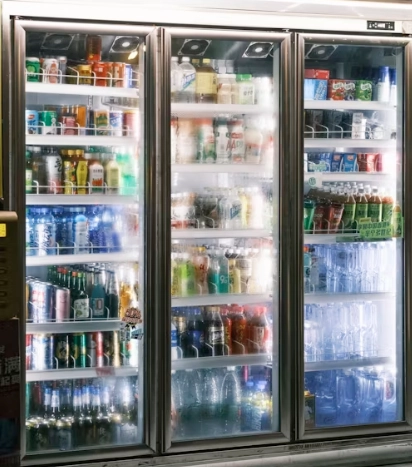
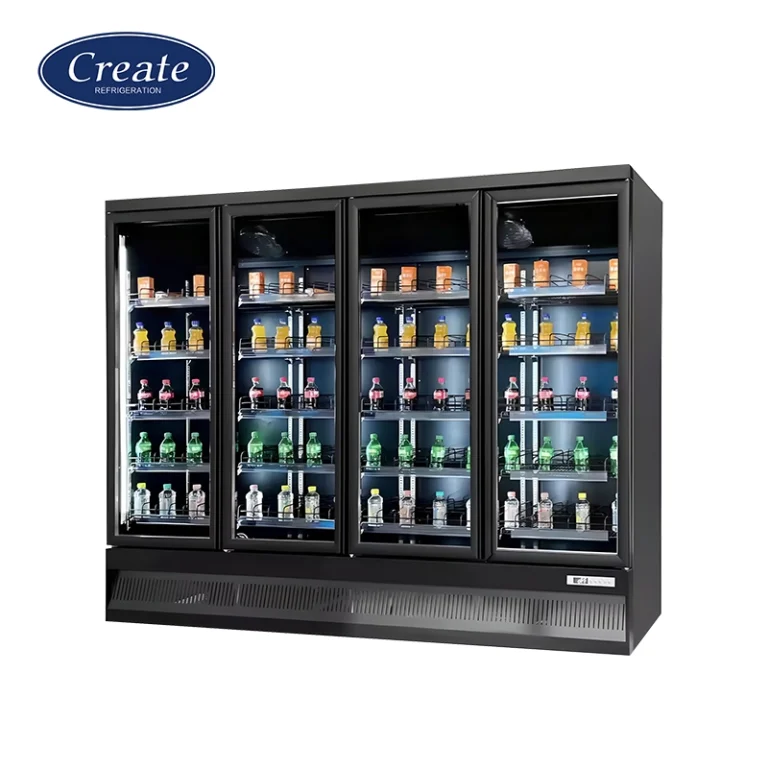
Spotty cooling shows up as hot areas or ice spots in the refrigerator. Items like milk products or meats go bad quicker. Drinks could freeze by surprise. In business units with open chillers or glass door coolers, these changes hurt the show appeal and cut storage time. In our Glass Door Freezer & Cooler, the smart air path setup makes the temperature in the cabinet more uniform and stops low food dry consumption. This method cuts temperature differences even if outside factors shift, which gives steady results perfect for shop settings where trust counts most.
Why Do Thermostat Problems Increase Energy Consumption?
When a thermostat goes wrong, it usually makes compressors work longer than needed or never stop. This nonstop run wastes electricity, and it also adds pressure to the system as time passes.
Analyzing Increased Energy Bills and Detecting Overconsumption Signs
Power waste shows clearly in higher bills, even if habits stay the same. The link between thermostat trouble and extra power pull comes from the wrong talk between sensors and compressors. When heat feedback loops give false info, the machine fixes it by pushing the cooling part too hard. At Create Refrigeration, we add inverter compressors, known in the field. This is because by adopting the top-tier brand inverter compressor recognized by the industry, we ensure that the product is more energy-efficient, stable in performance, and can save up to 50% on electricity bills within one year. Such a focus on saving cuts running costs. It keeps exact heat control in all gear types, including island freezers and multideck chillers.
Can Unusual Noises Signal Thermostat Malfunction?
Odd machine sounds get ignored often, but they offer key hints about inside issues. A broken thermostat can lead to repeated clicks from endless cycle tries or soft whistles from uneven coolant flow handling.
Identifying Strange Sounds as Warning Signs of Deeper Electrical Faults
When electric links in the thermostat wear out, they spark quick switch actions, and these appear as steady clicks close to the compressor spot. A low buzz or drone might happen if power issues come from bad heat sensors. These send mixed messages to control boards. In big business fridges like our Island Freezer, small computer heat controllers with light displays let workers check live work precisely, which removes guesswork in fixes. It stops early part breakdowns from shifting power needs.
Is Frost Build-Up Indicating Hidden Thermostat Issues?
Too much ice growth in freezers often signals problems in the melt cycle timing tied to bad thermostat control. A good system switches between cool and melt times. When this pattern fails, frost piles up fast near coils or air paths.
Understanding Frost Accumulation Due to Malfunctioning Temperature Control Systems
Ice buildup blocks air flow in freezer areas, which creates uneven freeze spots that harm food quality and raise power needs. Compressors fight against heat loss from ice covers. Our designs fix this straight on. They do so with regular auto defrost, more volume, energy saving, and better frozen effect. By adding auto-melt systems in island units and meat displays, we guarantee smooth work without manual help. We keep the right moisture levels key for holding frozen goods like fish or ice cream.
Why Are Temperature Readings Inaccurate Even After Calibration?
A wrong screen reading usually comes from sensor offset or damaged wires that mess up signal flow between thermostats and screen panels.
Detecting Incorrect Temperature Displays and Verifying Accuracy Through Testing Methods
To check the truth, workers should match inside temperatures with set thermometers placed at several spots in areas against what the panels show. Gaps over two degrees Celsius often prove sensor shift or switch failure, and these need to be swapped, not just reset. Our cooling setups use small computer controllers that hold “more accurate and efficient” control via smart feedback plans. These steady outputs under changing loads. Such features suit stores running long shifts with fast stock changes.
Create Refrigeration: Your Trusted Refrigeration Equipment Supplier
Our skills go beyond making. We give full cold chain answers fit for many fields around the world. Create Refrigeration mainly produces refrigeration equipment for commercial supermarkets, stainless steel equipment, western kitchen equipment, and supermarket shelves. We supply OEM/ODM custom work too. Clients can pick size, brand parts, or tech setups for local weather needs.
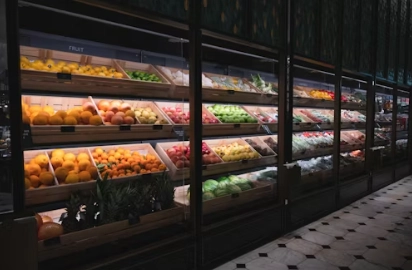
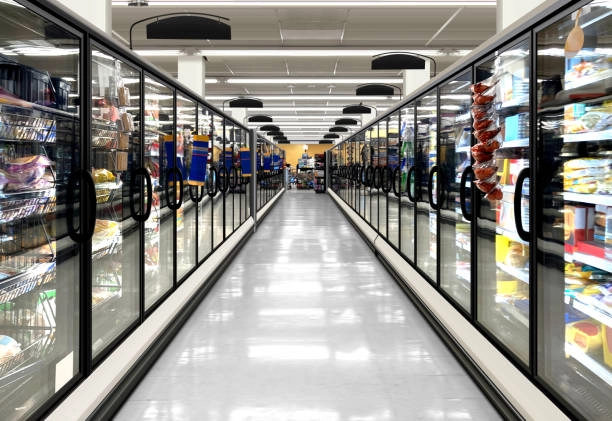
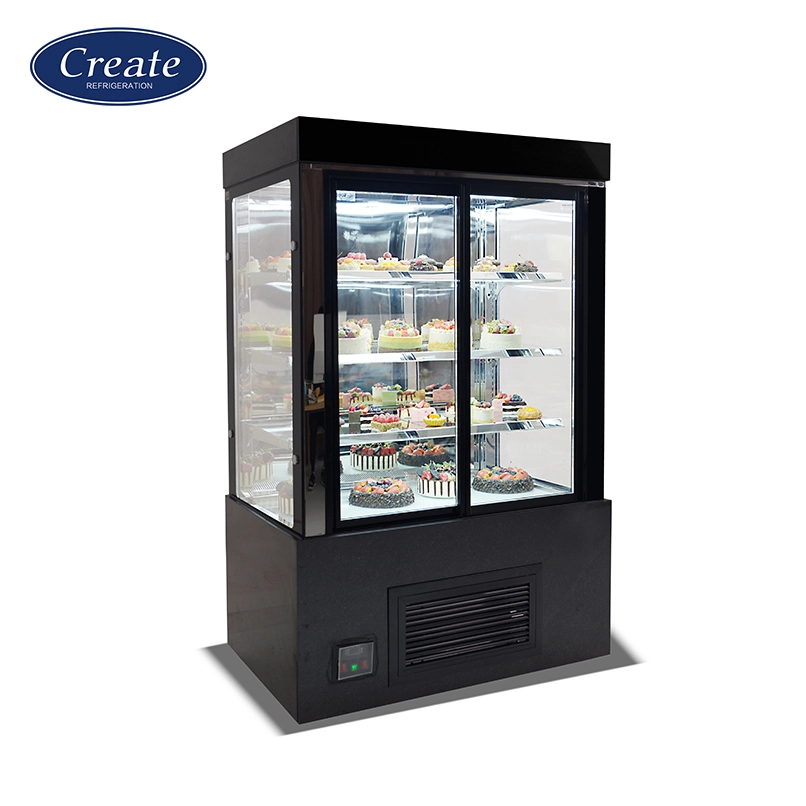
Our lineup covers multideck open chillers tuned for fresh item shows, which include glass door coolers made with auto-shut doors. Island freezers are using green coolants. Deli meat displays are built for easy reach. Self-serve cases boost buyer ease. Pastry units with clear heat panels. Tough stainless steel pieces. And flexible cold storage that fits tricky spaces.
We take pride in the fact that our items sell strongly in North and South America, Southeast Asia, Australia, Europe, the Middle East, and other places. Each setup shows our push for green tech use. We draw on R290 coolants and better foam stuff to bring top power savings. This backs green business that runs worldwide.
Conclusion: Maintaining Refrigerator Efficiency Through Proactive Thermostat Management
Troubles from the thermostats show in clear signs. These include uneven heats in areas, odd jumps in power use, machine sounds in run cycles, ice pile in freezers, and wrong screen numbers even after reset attempts. Fixing these fast stops chains the breakdowns in cooling lines, which guards the stock’s worth. We push steady checks mixed with smart part updates to boost trust in business uses—from small drink coolers to big store setups. We welcome pros looking for solid cooling ties to reach us on our main site for custom tech advice.
FAQ
Q1: What are common symptoms of a faulty fridge thermostat?
A1: A faulty thermostat often results in inconsistent temperatures, leading to uneven cooling patterns within compartments, accompanied by increased energy consumption or unusual operational noises signaling internal faults.
Q2: How can I test my fridge thermostat for accuracy?
A2: Use an appliance thermometer positioned strategically inside your unit’s central zone, then compare actual readings against digital panel outputs; any deviation beyond two degrees Celsius suggests potential sensor misalignment requiring recalibration or replacement.
Q3: When should I consider professional repair for my fridge thermostat?
A3: Seek expert assistance whenever you observe persistent frost build-up despite regular defrost cycles or significant discrepancies between setpoints and measured values after basic troubleshooting procedures have been performed successfully once before escalation occurs.